💡
Product Description
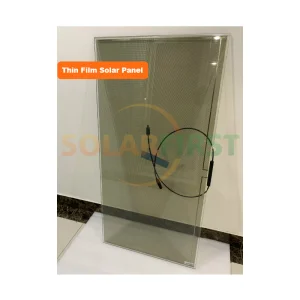
| Specifications |
Parameter Range |
Applicable Scenarios |
Thickness / Transmittance |
Power Output |
| Home |
1200×600mm / 1600×800mm |
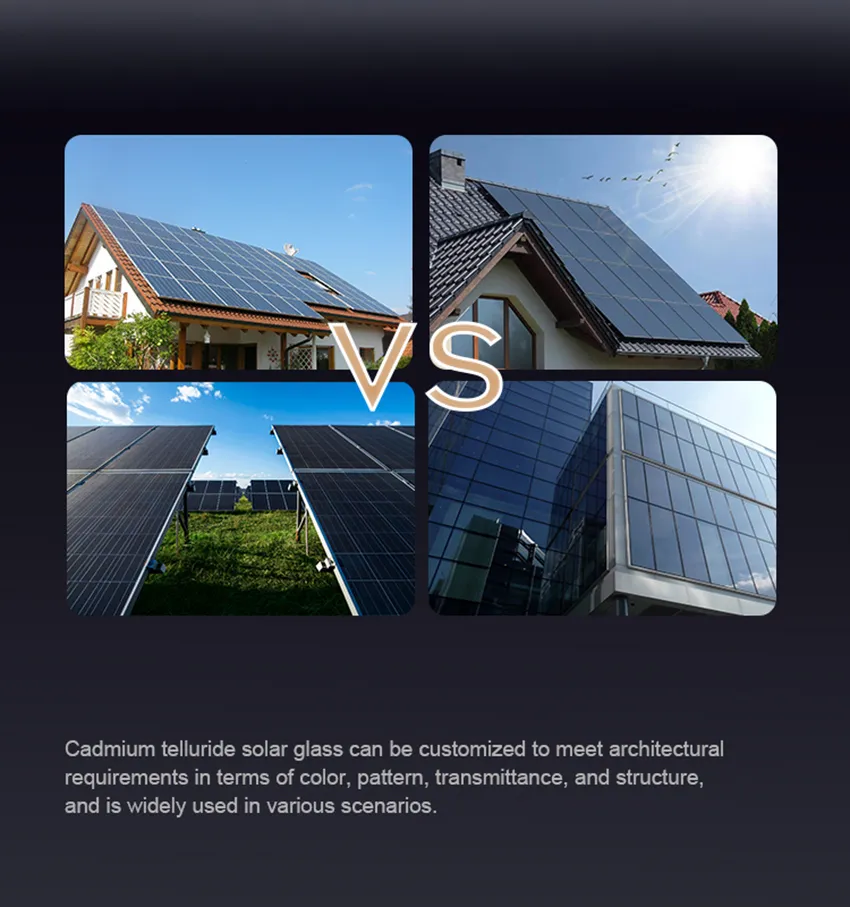
Home Roofs / Balcony Railings |
10-12mm / 10%-60% |
100W-300W/unit |
| Commercial |
2400×1200mm / 3000×1500mm |
Factory Walls / PV Power Plants |
22mm / 10%-60% |
500W-1000W/unit |
| Custom |
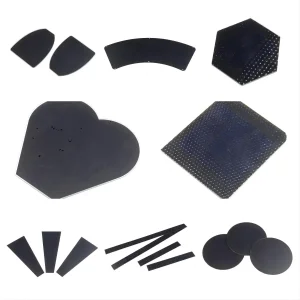
1000-4000mm custom available |
Special Curtain Walls / Landscapes |
6-20mm / 10%-60% |
Calculated by size |
Product Structure
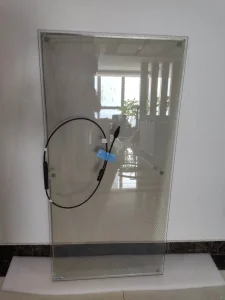
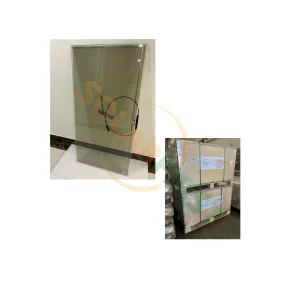
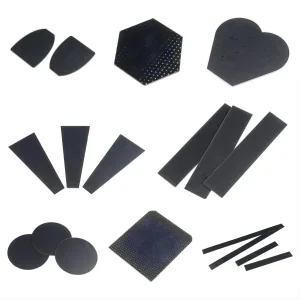
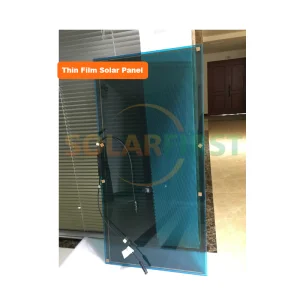
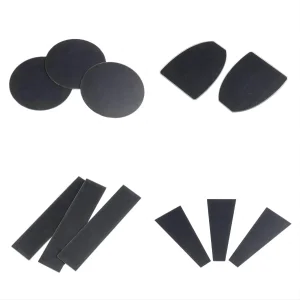
The structure of cadmium telluride thin-film solar cells consists of five key layers: glass substrate, transparent conductive oxide layer (TCO layer), cadmium sulfide (CdS) window layer, cadmium telluride (CdTe) absorption layer, and the back contact/electrode system.
Key Features
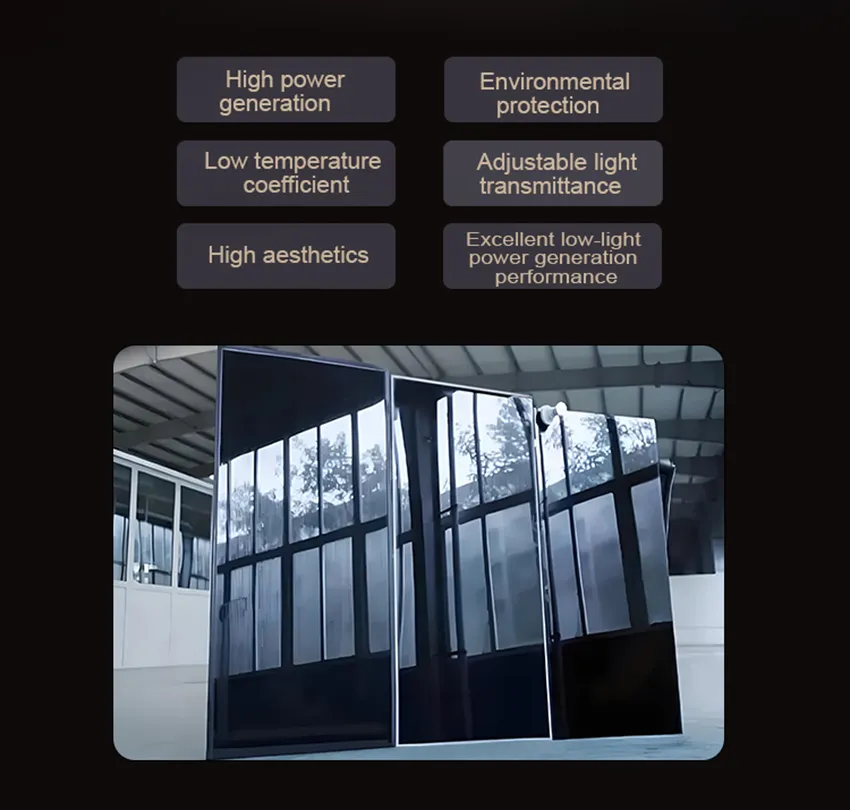
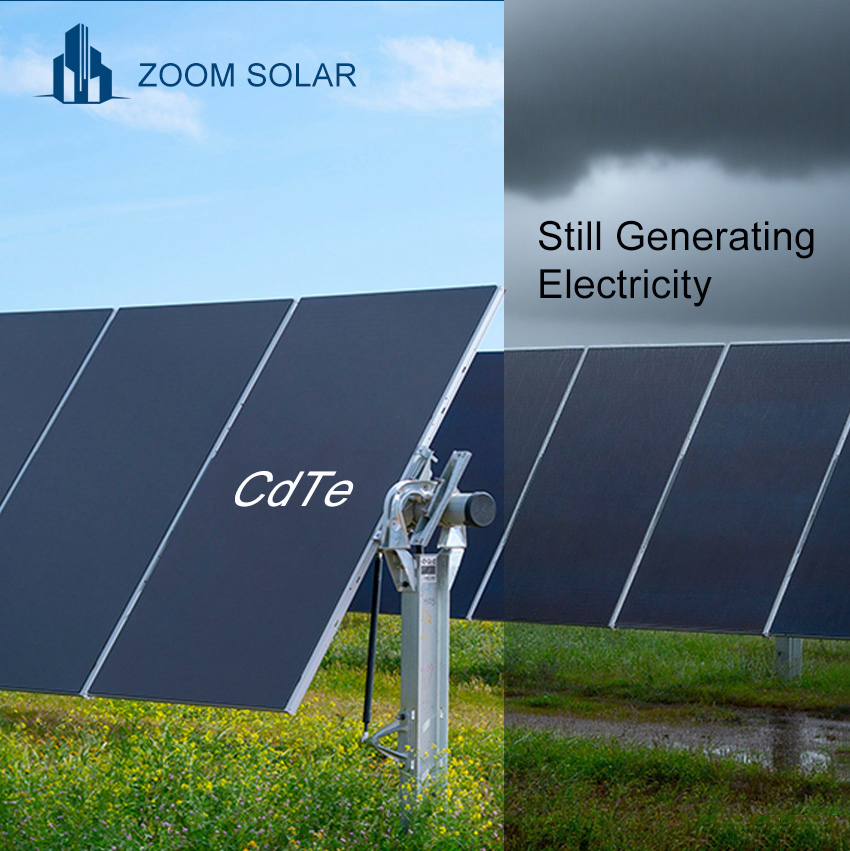
(1) Excellent Weak Light Performance: CdTe is a direct bandgap material with superior absorption. Its efficiency in conditions like early morning, evening, or cloudy weather is significantly higher than traditional crystalline silicon cells.
(2) Low Temperature Coefficient: With a coefficient of about -0.21~0.25%/ºC, these cells maintain stable performance in high-heat environments, losing only half as much efficiency as crystalline silicon counterparts.
(3) High Conversion Efficiency: The technology has a theoretical efficiency potential of 28-29%. It can absorb over 90% of visible light with an extremely thin layer.
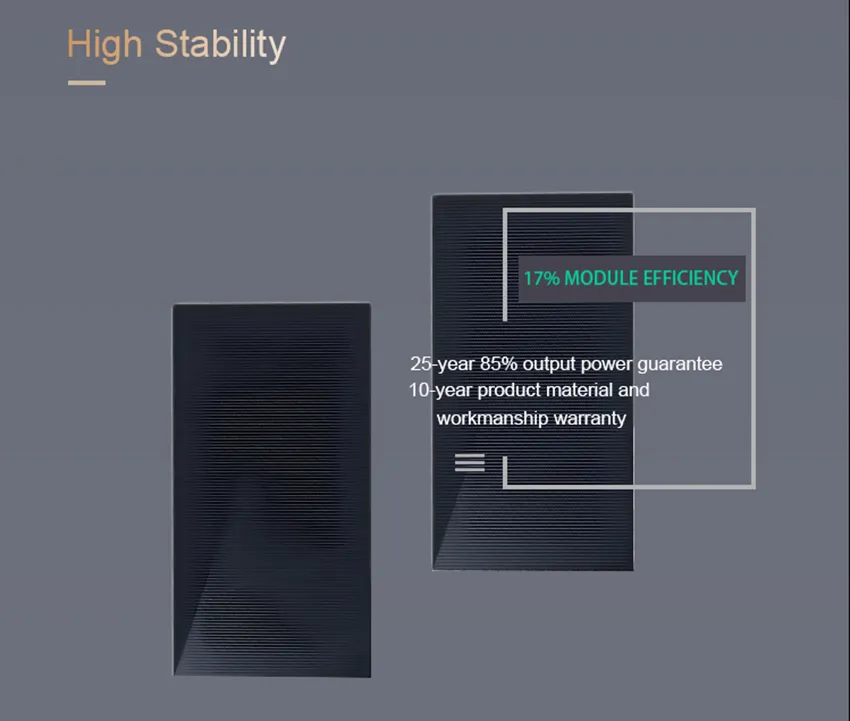
(4) Power Generation Stability: Unlike silicon cells, cadmium telluride glass does not suffer from light-induced degradation, ensuring consistent output throughout its lifecycle.
🏢
Technology & R&D
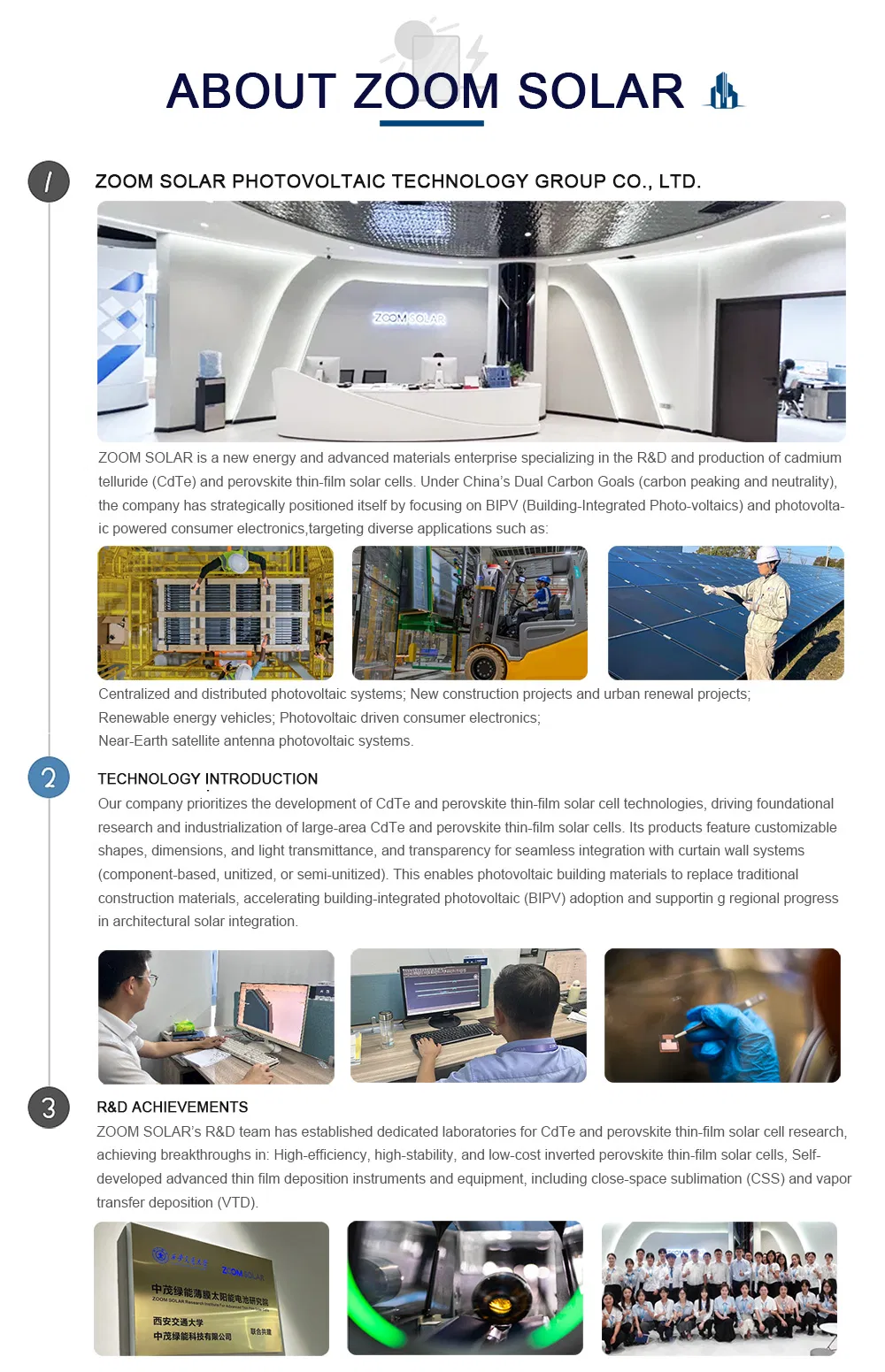
Specializing in the R&D and production of cadmium telluride (CdTe) and perovskite thin-film solar cells, the focus is on Building-Integrated Photovoltaics (BIPV) and consumer electronics. The applications range from centralized power plants to urban renewal projects and renewable energy vehicles.
The R&D team has achieved significant breakthroughs in high-efficiency, high-stability, and low-cost inverted perovskite cells, utilizing self-developed advanced thin-film deposition instruments such as close-space sublimation (CSS).
❓
Frequently Asked Questions
What is the main advantage of CdTe thin-film panels?
CdTe panels offer exceptional weak light performance and a low temperature coefficient, meaning they generate more electricity in overcast conditions and high-temperature environments compared to traditional silicon panels.
Can these solar panels be used as windows?
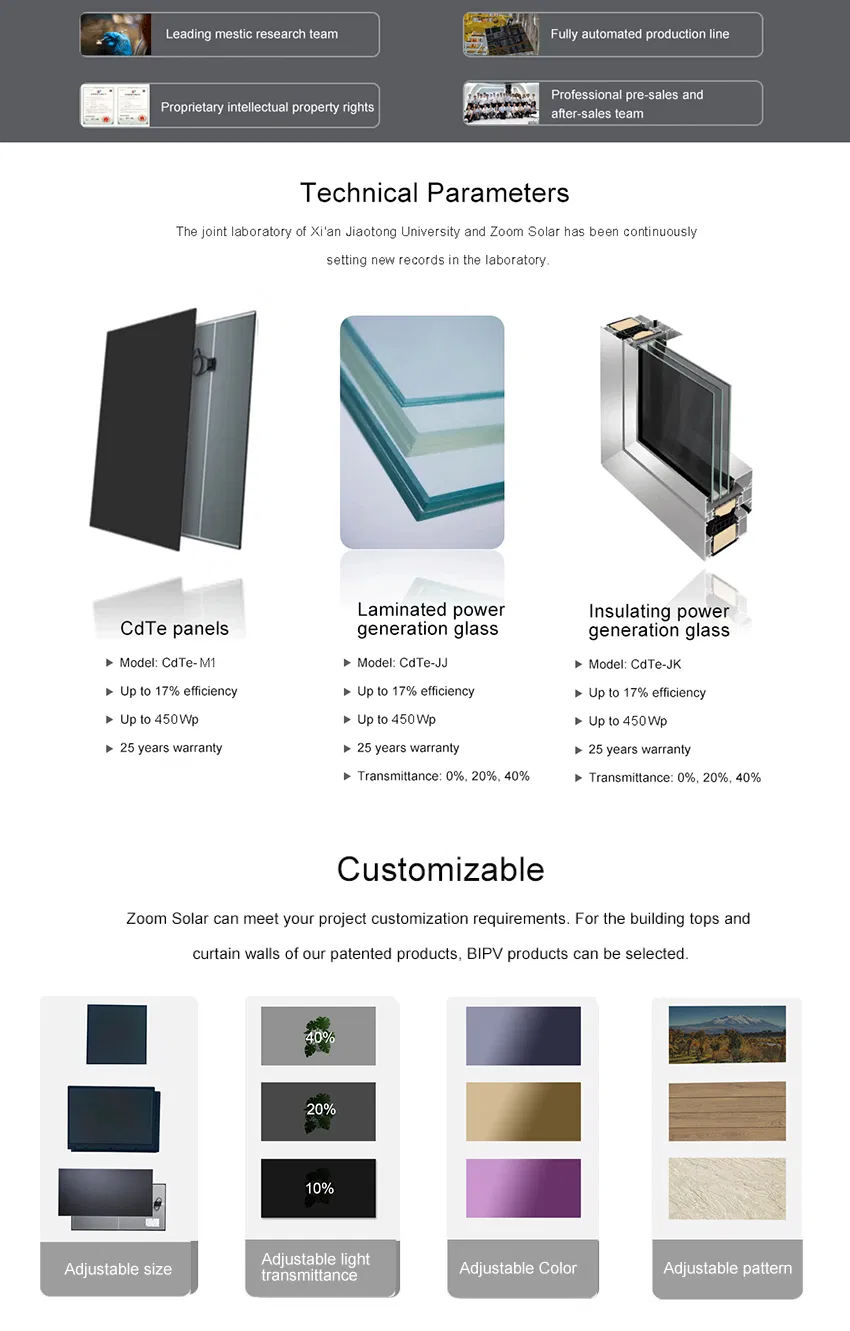
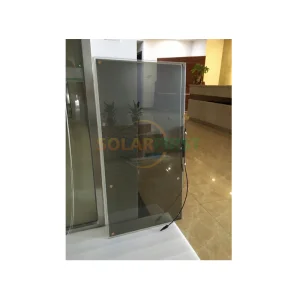
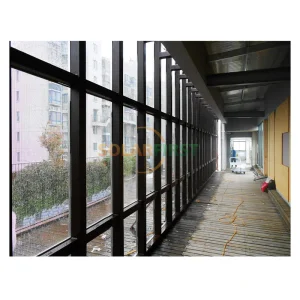
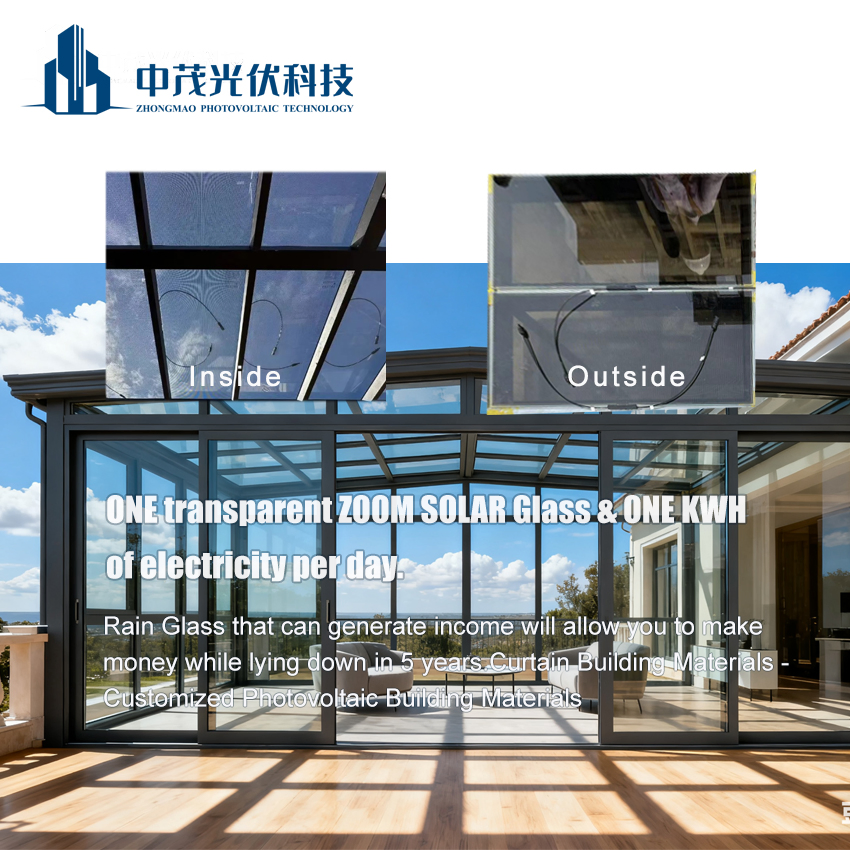
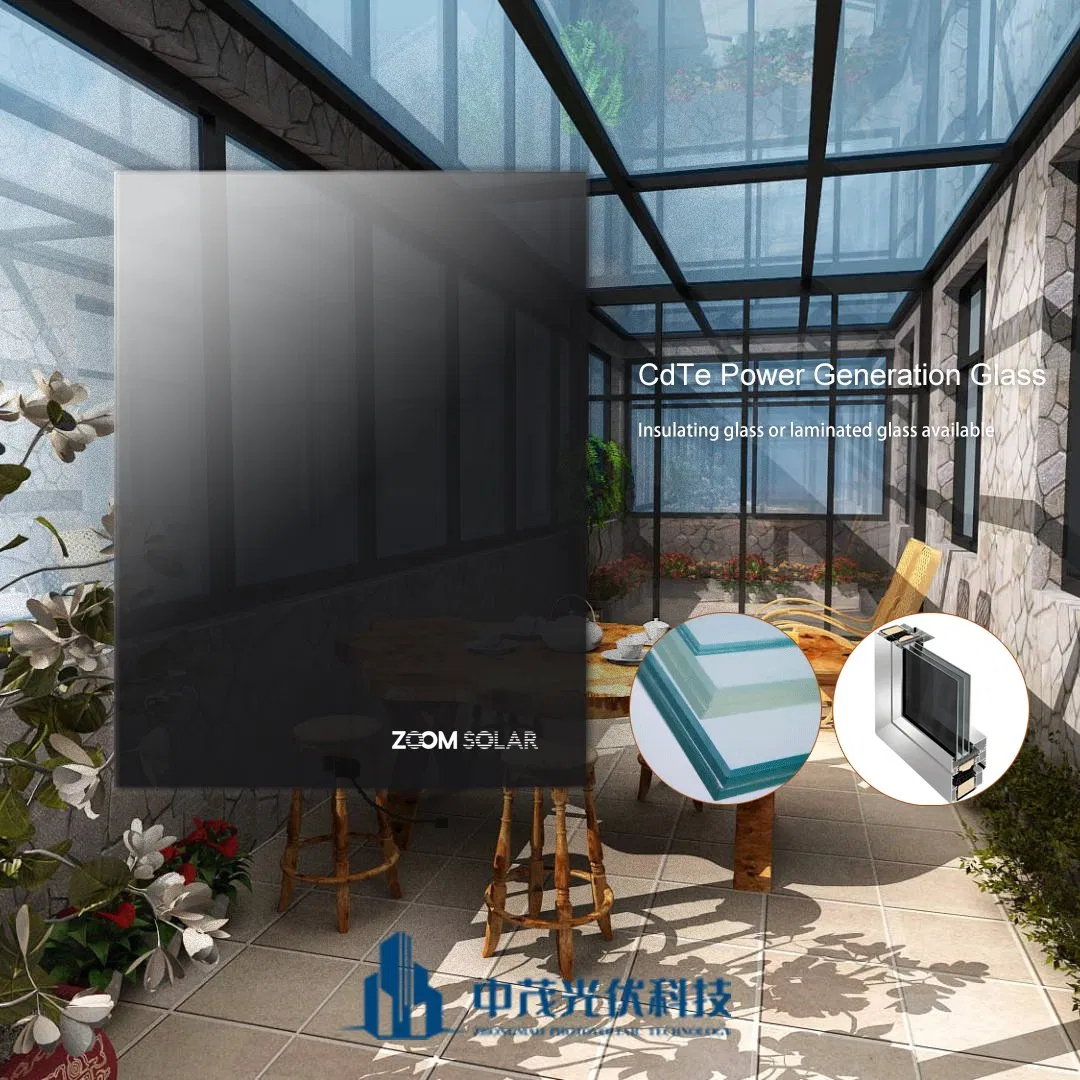
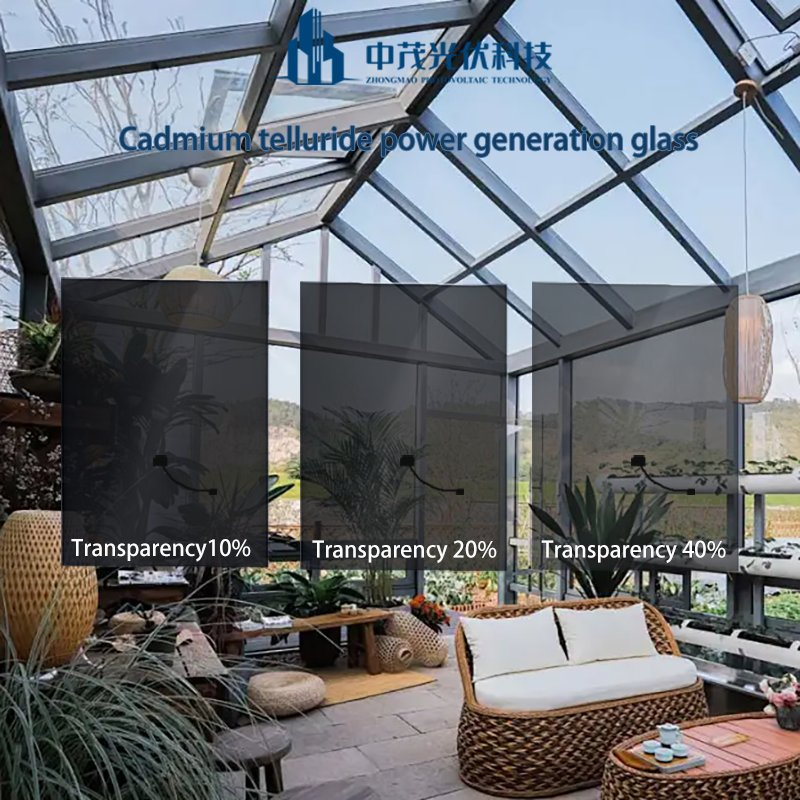
Yes, with customizable light transmittance ranging from 10% to 60%, these panels are ideal for curtain walls, sunrooms, and windows where both lighting and power generation are required.
How stable is the power output over time?
Cadmium telluride power generation glass does not have light-induced degradation characteristics, ensuring high stability and a consistent power output throughout its service life.
Are custom sizes available for specific building projects?
Absolutely. We offer custom sizes ranging from 1000mm up to 4000mm to seamlessly integrate with various architectural curtain wall systems and landscape facilities.
How does the efficiency compare to crystalline silicon in hot climates?
In high-temperature environments, CdTe panels outperform crystalline silicon because their temperature coefficient is roughly half that of silicon, resulting in significantly less power loss as the panel heats up.
What applications are best suited for these modules?
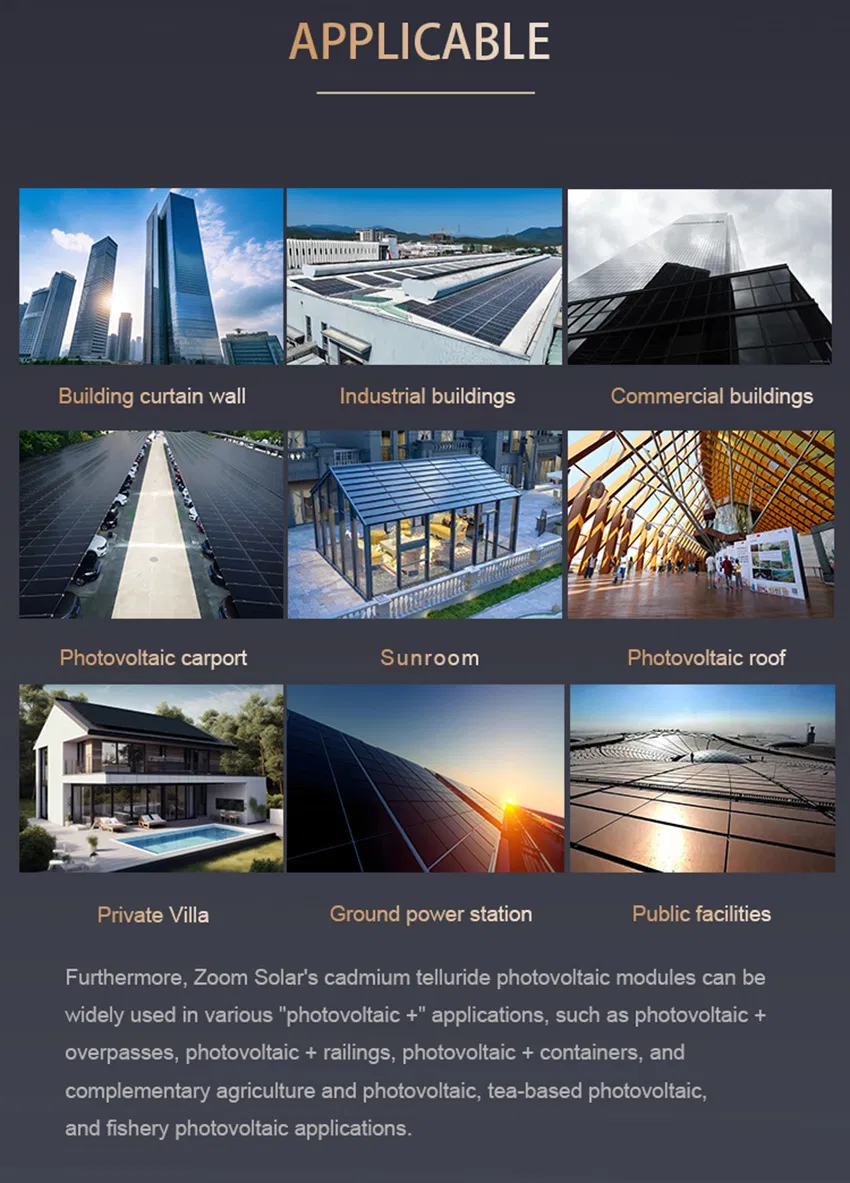
They are perfect for BIPV (Building-Integrated Photovoltaics), such as factory facades, residential roofs, balconies, greenhouses, and even integrated solar components for vehicles.
 Wing Solar