 Wing Solar
Wing Solar
Wing Solar
Specially selected photovoltaic modules offering exceptional thermal stability and high performance under Sub-Saharan environmental conditions.
An in-depth whitepaper on renewable integration, high-temperature photovoltaic physics, and decentralized solar infrastructure.
Chipata, the administrative and commercial capital of Zambia's Eastern Province, serves as the critical economic gateway linking Zambia to Malawi and the broader Nacala Development Corridor. Positioned at latitude -13.63° S and longitude 32.64° E at an elevation of approximately 1,140 meters, Chipata experiences intense solar irradiance combined with significant seasonal thermal variations.
As the regional hub for agricultural processing—including maize milling, tobacco leaf curing, cotton ginning, and sunflower oil extraction—the demand for reliable, uninterrupted power is paramount. However, reliance on centralized hydro-dominated national grids often yields supply vulnerabilities during prolonged dry seasons. Thin-film photovoltaic technology presents an essential structural alternative to traditional crystalline silicon, providing continuous, resilient energy for Chipata's expanding commercial and off-grid agro-industrial ecosystems.
Photovoltaic installations in Chipata operate under ambient temperatures frequently exceeding 32°C to 36°C during hot dry seasons, causing panel surface temperatures to surge beyond 65°C. Under these conditions, standard Crystalline Silicon (c-Si) modules experience high thermal degradation losses due to a negative temperature coefficient of power (-0.38%/°C to -0.45%/°C).
Advanced Thin-Film Cadmium Telluride (CdTe) and CIGS technologies offer a vastly superior temperature coefficient (-0.25%/°C to -0.28%/°C). Furthermore, thin-film modules absorb a broader spectrum of solar radiation, including blue and diffuse photons during the rainy season (November to April) and atmospheric dust events, delivering up to 8% to 12% higher cumulative annual energy yield (kWh/kWp) in Chipata compared to traditional silicon arrays.
The global solar manufacturing sector is undergoing a profound paradigm shift. While traditional c-Si technologies dominated early utility markets, thin-film photovoltaics have captured critical market share in commercial facades, high-temperature equatorial zones, lightweight industrial rooftops, and portable agricultural systems. Modern thin-film manufacturing leverages low-embodied-energy chemical vapor deposition (CVD) and physical sputtering, resulting in a carbon payback period under 8 months—significantly shorter than silicon ingot pulling procedures.
For procurement directors, project developers, and municipal planners in Chipata, transitioning to thin-film solar offers key strategic benefits: minimal efficiency loss under partial shading, high resistance to micro-cracking from physical wind loads, and customizable semi-transparency for daylighting integration in commercial structures along the Great East Road.
Engineering customized solar solutions designed specifically for regional microgrids, agricultural supply chains, and urban commercial infrastructure.
Chipata's farming cooperatives produce substantial yields of perishable goods. Flexible and lightweight thin-film panels can be retrofitted directly onto light-gauge corrugated agricultural sheds and solar-powered cold storage hubs without structural reinforcement. Continuous power generation under diffuse cloud cover guarantees uninterrupted refrigeration for crops.
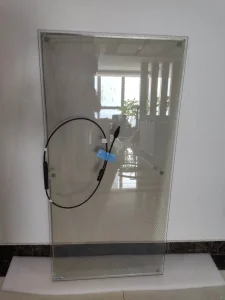
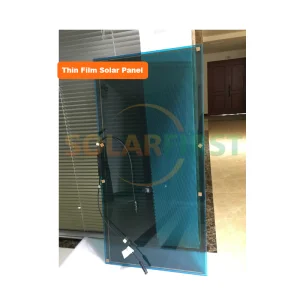
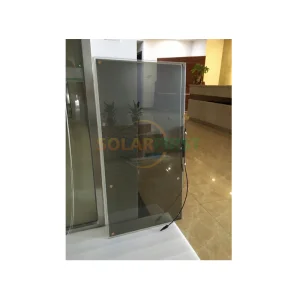
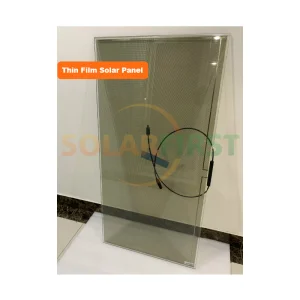
As Chipata modernizes its commercial centers, Building-Integrated Photovoltaics (BIPV) using transparent CdTe modules replace standard architectural glass. These modules block infrared heat influx—reducing HVAC cooling costs by up to 30%—while simultaneously generating clean electricity directly from building facades and windows.
Extending connectivity throughout Eastern Province requires low-maintenance power solutions for remote telecom towers and community microgrids. Lightweight flexible thin-film modules withstand harsh weather conditions, require minimal cleaning maintenance, and eliminate micro-cracking risks during transit over rural dirt roads.
Combining nearly two decades of solar technological expertise with state-of-the-art production capacity to serve Chipata and global renewable markets.
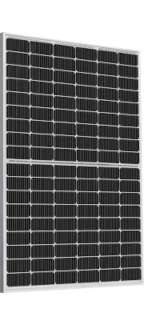
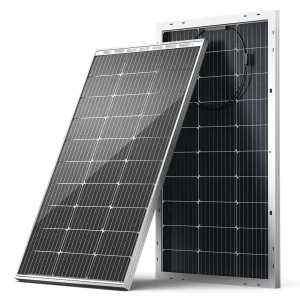
Dimensions: 1762 x 1134 x 30mm
Efficiency: 22.77%
Pmax Coeff: -0.29%/°C
Warranty: 30 Years Linear Performance
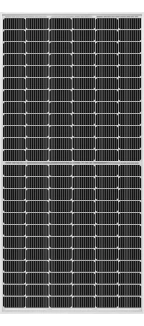
Dimensions: 2279 x 1134 x 35mm
Efficiency: 22.84%
Pmax Coeff: -0.29%/°C
Warranty: 30 Years Linear Performance
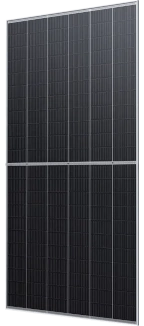
Dimensions: 2384 x 1303 x 35mm
Efficiency: 22.70%
Pmax Coeff: -0.30%/°C
Warranty: 30 Years Linear Performance
With operational headquarters in Vienna, Austria, and state-of-the-art Industry 4.0 manufacturing plants, our engineering team ensures that every solar module delivered to Chipata meets global Tier 1 reliability standards. From ultra-lightweight flexible thin-films for off-grid applications to heavy-duty N-Type bifacial panels, we empower local business growth and climate resilience.
Expert insights regarding thin-film technology integration, logistics, efficiency, and maintenance in Eastern Zambia.
Thin-film modules, particularly Cadmium Telluride (CdTe), possess a significantly lower negative temperature coefficient (-0.25%/°C) than crystalline silicon (-0.40%/°C). In Chipata, where peak summer roof temperatures exceed 60°C, thin-film modules experience up to 50% less thermal power output degradation, generating higher overall kilowatt-hour yields.
Thin-film materials absorb a broader spectral range of light, including short-wave blue diffuse radiation present during cloudy days. This spectral advantage allows panels to begin power generation earlier in the morning and maintain higher relative efficiency during low-light and rainy conditions typical from November to April.
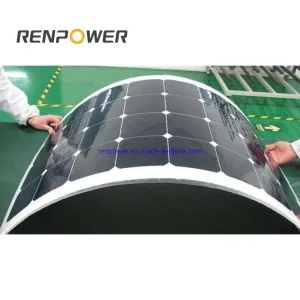
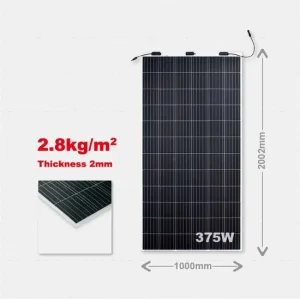
Yes! Flexible thin-film panels encapsulated with ETFE/PET weigh as little as 2.2 kg per square meter—less than 25% of traditional glass-backed solar panels. They can be bonded directly onto corrugated metal roofs of warehouses and crop drying centers without requiring costly steel structural upgrades.
Our thin-film transparent and BIPV modules come with standard 10-to-12-year product materials warranties and a 25-to-30-year linear power performance guarantee, ensuring at least 80% output retention after 25 years of field operation in African climates.
Transparent CdTe thin-film modules double as building glazing windows and skylights. They allow controlled natural light (20% to 80% transparency options) into commercial offices while absorbing ultraviolet and infrared radiation, dramatically cutting indoor HVAC energy needs while generating onsite clean power.
We provide full export-compliant containerized shipments via the ports of Beira or Nacala, routed via customs transit directly to Chipata. All shipments carry international ISO, CE, and IEC certifications required for Zambian ZERA regulatory compliance.
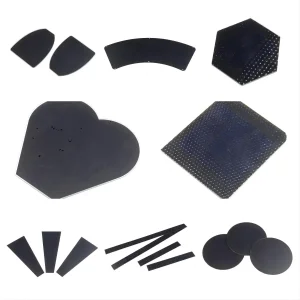
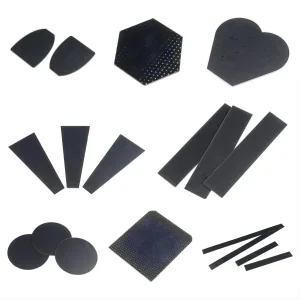
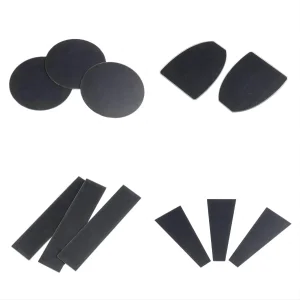
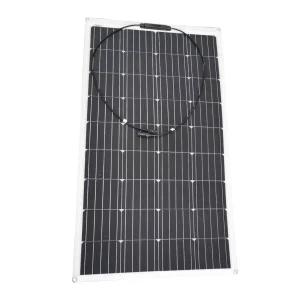
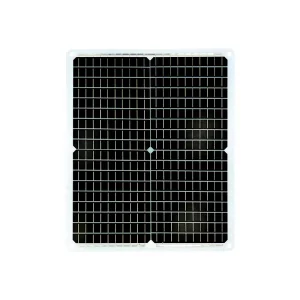
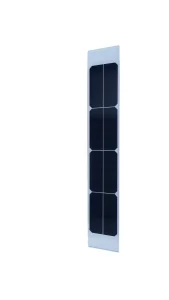
Explore our complete range of specialized thin-film modules, mini-solar units, and flexible laminates suitable for all power requirements.

Partner with a trusted global manufacturer delivering world-class thin-film and high-efficiency solar modules. Receive tailored technical consultation, detailed project sizing, and direct factory pricing for your Chipata venture.
Send Inquiry Now