Wing Solar
Wing Solar
Wing Solar
Engineered for architectural integration, low-light efficiency, and extreme weather resilience in Upolu, Savai'i, and beyond.
Samoa is aggressively transitioning towards 100% renewable energy generation to mitigate high electricity prices driven by historical reliance on imported fossil fuels. However, deploying photovoltaic infrastructure in the South Pacific presents unique environmental bottlenecks:
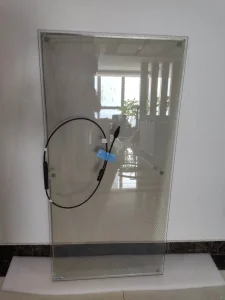
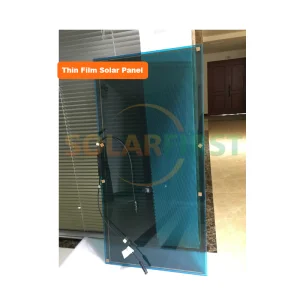
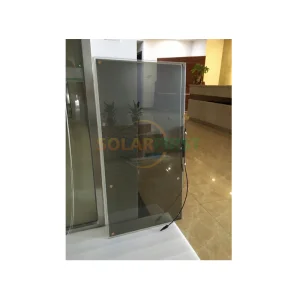
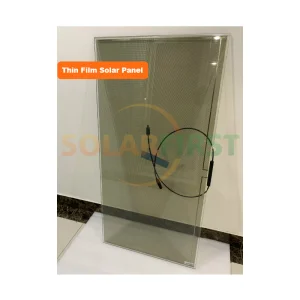
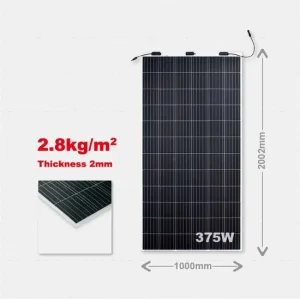
Thin-film Cadmium Telluride (CdTe) and customized flexible PV architectures offer the ultimate remedy. With an industry-leading low-temperature coefficient (typically -0.21%/°C) and robust frameless polymer laminations, our thin-film solar solutions excel where crystalline panels struggle.
On an average day in Apia where panels reach temperatures of 65°C, crystalline panels lose up to 18% of their rated output. In contrast, Wing's thin-film CdTe modules limit energy loss to less than 8%, yielding significantly more kilowatt-hours per installed kilowatt-peak over the project's lifetime.
Due to frequent cloud covers over Samoan highlands, diffuse light performance is vital. Thin-film panels capture a broader solar spectrum, generating electricity up to 45 minutes earlier in the morning and later in the evening compared to silicon equivalents.
Solar Industry Expertise
Product Warranty Protection
Current Annual Capacity
Target Capacity by 2026
Global Deliveries
Regions Supplied Globally
Premium N-Type engineering designed for commercial scale, utility integration, and residential sustainability in the Pacific.
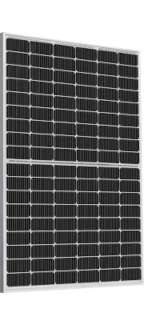
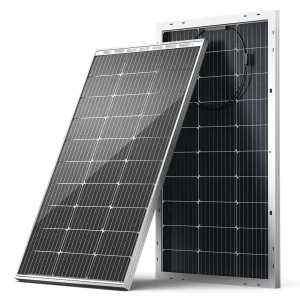
Ultra-compact structure designed for domestic rooftops, offering superior aesthetics and high wind resistance.
Design: Standard
Dimensions: 1762 x 1134 x 30mm
Efficiency: 22.77%
Pmax Temp Coeff: -0.29%/°C
Warranty: 30 Years
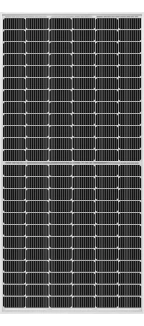
High-yield configuration optimized for factory roofing, agricultural buildings, and off-grid mini-grids.
Design: Standard
Dimensions: 2279 x 1134 x 35mm
Efficiency: 22.84%
Pmax Temp Coeff: -0.29%/°C
Warranty: 30 Years
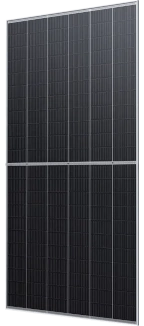
Bifacial solar technology maximizing albedo power generation from ground mounts and coastal flatlands.
Design: Bifacial
Dimensions: 2384 x 1303 x 35mm
Efficiency: 22.70%
Pmax Temp Coeff: -0.30%/°C
Warranty: 30 Years
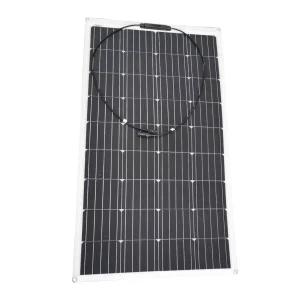
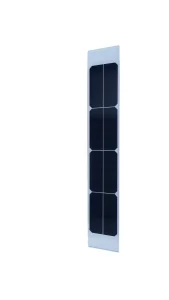
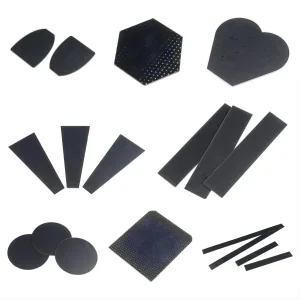
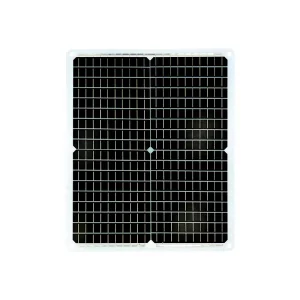
Engineered for niche commercial applications, yacht systems, marine electronics, and micro-BIPV installations.
Wing Solar is recognized as a BNEF Tier 1 Solar Manufacturer. This means our production pipelines, technological bankability, and financial solvency have passed rigorous international vetting, ensuring that developers in Samoa secure hassle-free project financing.
With operational headquarters in Vienna, Austria, and state-of-the-art gigafactories in China, we offer structural supply chain redundancy. We handle custom clearance, logistics routing directly into Apia Harbor, and structural compliance with all ocean freight regulations.
Our automation density ensures that every module is subjected to triple EL (electroluminescence) testing, micro-crack prevention checking, and precise flash test calibration before leaving the factory gates.
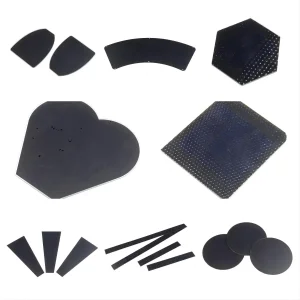
Thin-film technology is undergoing rapid transformation, paving the way for unprecedented efficiency levels and new, innovative application form factors. As a pioneer in CdTe and flexible PV processing, Wing is heavily investing in the following research vectors:
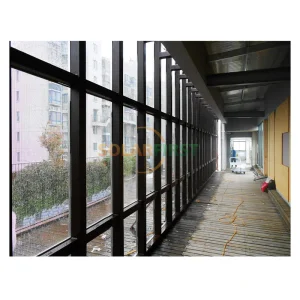
Our long-term roadmap aligns with Samoa’s Sustainable Development Plan. By designing products that require minimal frame structures and reduce structural dead loads, we lower overall installation costs and allow rapid deployments on standard structures.
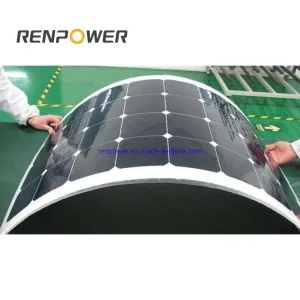
From lightweight recreational modules to architectural carport integration—manufactured to global tier-1 standards.
Navigating the electrical parameters of the Electric Power Corporation (EPC) of Samoa requires experienced engineering partners. Every commercial thin-film module we ship complies with local and international standards:
We work alongside regional developers and EPC planners to offer site-specific layout simulations, system sizing analysis, and customized framing recommendation matrices. This decreases commissioning times and mitigates execution risks.
Request datasheets, wind-load certificates, and salt-mist compliance records specifically written for Samoa projects.
Request Technical DocsGet authoritative answers on thin-film PV deployment, shipping, and engineering specifications for Samoan projects.