Wing Solar
Wing Solar
Wing Solar
Pre-engineered complete systems designed to optimize Baltic solar yields and ensure continuous power backups under demanding local grid codes.
Leveraging advanced N-Type cell configurations with high efficiency thresholds for residential, C&I, and utility-scale installations.
Engineered for maximum spatial output constraints in residential developments across Riga and Jurmala, utilizing standard dimensions with optimized mechanical frames.
Optimized for Commercial & Industrial (C&I) rooftop projects, balancing system unit weight with superior low-light performance under Baltic skies.
Bifacial technology configured for massive ground-mounted utility sites, capturing albedo reflection from Latvia's winter snow cover to boost output.
Latvia's energy sector is undergoing a rapid, structural transformation. Driven by the European Green Deal objectives and the absolute necessity for regional energy independence, the integration of distributed solar power systems has graduated from an eco-friendly choice to a core national security mandate. Historically reliant on imported hydrocarbons and hydroelectricity generated along the Daugava River, the Latvian energy system has encountered grid-stability challenges due to seasonal volumetric disparities.
Solar energy provides the perfect seasonal complement. While hydroelectric generation peaks during the spring floods, photovoltaic generation reaches its maximum performance between April and September, supplying critical electricity when water reserves are lower. By combining advanced N-type solar power systems with scalable Battery Energy Storage Systems (BESS), Latvian enterprises and commercial aggregators can mitigate risk, control energy expenses, and secure a carbon-neutral footprint.
Following the transition from the historical net-metering model to the new Net-Billing system ("Neto norēķinu sistēma"), Latvian solar system buyers must optimize self-consumption ratios. Relying solely on selling excess generation to the grid at Nord Pool day-ahead spot market prices is no longer the most economically viable mechanism. Modern system designs must focus on hybrid operations incorporating localized LFP energy storage to hedge against peak tariff periods.
For industrial operations in centers like Ventspils, Liepāja, and the Riga metropolitan zone, high grid connection fees and peak consumption charges dictate the need for smart solar installations. A custom 100kW to 1MW grid-interactive solar station can offset up to 40% of standard operating energy costs. Our solutions utilize active power limiting and zero-export control systems where grid injection permissions are constrained by the local distribution operator, Sadales tīkls.
Heavy snow loads in the Latvian interior require mechanical design safety factors. Our systems feature reinforced mounting frames certified to withstand up to 5400 Pa of frontal loading.
With extreme seasonal variations, ensuring your solar investment does not degrade prematurely is critical. Our N-Type modules guarantee near-zero Light Induced Degradation.
During the overcast autumn months typical of Northern Europe, our TOPCon N-type solar cells yield up to 10% more energy compared to conventional P-type PERC systems.
Complete compliance with EN 50549-1 and Sadales tīkls grid standards ensuring hassle-free commissioning and commissioning certifications.
Years in Solar Industry
Current Capacity
Target Capacity by 2026
Extended Warranty
Regions Supplied Globally
BloombergNEF Listed
In high-latitude countries like Latvia (latitude 56° to 58° N), solar energy generation is highly seasonal. Over 75% of the annual solar radiation is received between May and August. This profile poses unique challenges for system design, requiring specialized technical topologies to ensure high reliability and return on investment.
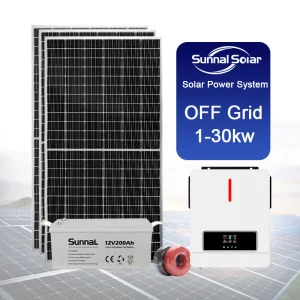
In remote Latvian environments—such as the eastern borders, nature reserves, or isolated forestry processing facilities—grid connection extension costs can exceed tens of thousands of Euros. In these scenarios, a robust off-grid solar system becomes the only logical source of primary electricity. The core requirements for Baltic off-grid projects are:
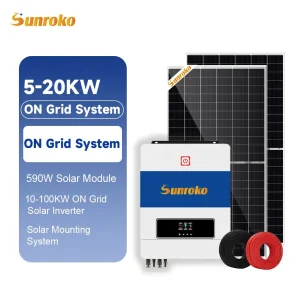
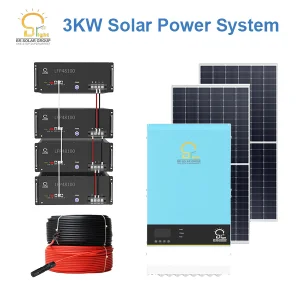
Commercial operations within municipal boundaries can secure significant economic advantage using Grid-tied Hybrid PV systems. By combining solar arrays, hybrid intelligent inverters (such as three-phase systems ranging from 20kW to 100kW), and modular energy storage, businesses can operate under a Peak-Shaving strategy. Under high-demand conditions, the hybrid system draws energy from the battery pack rather than the grid, effectively reducing maximum contract capacity demand charges from Sadales tīkls.
Due to regional substation limitations in certain parts of Latvia, the local distribution network operator might refuse grid feeding rights for solar power stations. To circumvent this without losing project momentum, we offer integrated export management systems. These integrate intelligent energy meters with inverter communication loops via RS485 or Modbus TCP, automatically regulating power generation down to match real-time site load consumption when zero-export thresholds are reached.
Designed for Latvian climate conditions, featuring high wind/snow structural strength and superior low-light generation efficiency.
Clear, technical, and regulatory answers addressing the primary concerns of commercial purchasing managers and engineering firms operating in the Baltic states.
Whether you are designing a residential housing development, retrofitting an industrial warehouse, or deploying a utility-scale PV park, partner with a leading manufacturer offering Tier 1 BloombergNEF pedigree, European local support, and robust warranty protection.
Send Inquiry Now