Wing Solar
Chittagong Solar Industry Analysis: Inverters & Power Architecture
1. Chittagong's Strategic Commercial and Industrial Energy Overview
Chittagong (Chattogram), the second-largest city and the chief commercial seaport of Bangladesh, stands as the economic backbone of the nation. Responsible for over 90% of Bangladesh’s import and export trade, the region houses major export processing zones (EPZs), chemical factories, heavy steel mills, ship recycling yards, and textile manufacturers. However, this dense concentration of industrial activities imposes an immense load on the local electricity grid. Load shedding, grid instability, and voltage fluctuations represent chronic hurdles that cost local industries millions in operational downtime and generator fuel.
To preserve profit margins and meet strict international sustainability requirements, major manufacturers in the CEPZ (Chittagong Export Processing Zone) and KEPZ (Karnaphuli Export Processing Zone) are rapidly executing a transition towards solar photovoltaic (PV) integration. In these setups, the solar inverter functions as the computational brain of the entire electrical system. Selecting the appropriate solar inverter is not merely a question of hardware purchase; it is a critical strategy to secure clean, continuous, and cost-effective power.
Did you know? Industrial facilities in Chittagong that implement hybrid solar arrays coupled with smart energy storage inverters can lower their peak tariff costs by up to 40% while ensuring zero interruption to automated assembly lines.
2. Addressing the Local Power Constraints with Specialized Hybrid & Off-Grid Systems
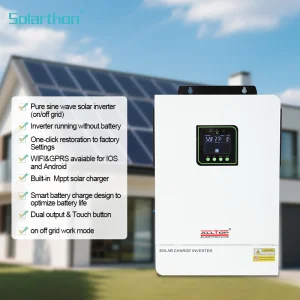
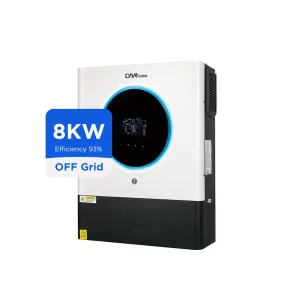
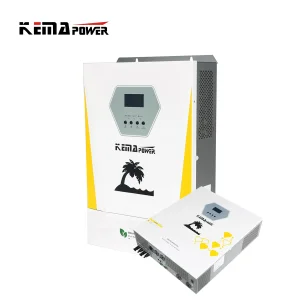
The electrical conditions of Chittagong require inverters engineered with robust voltage tolerances and high-temperature performance parameters. The local climate is characterized by high humidity, coastal salinity, and seasonal monsoons. Inverters must feature advanced protection ratings (such as IP65) and thermal management systems that prevent corrosion and overheating. Furthermore, our pure sine wave inverters are built to handle high reactive load surges typical of industrial motors, machinery, and air compressors.
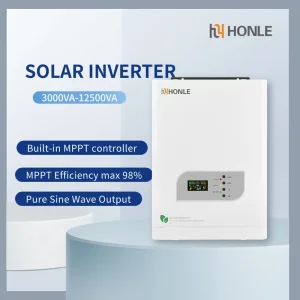
By leveraging advanced Maximum Power Point Tracking (MPPT) algorithms, our inverters ensure optimal solar energy harvesting even during overcast monsoon days. This is highly crucial for textile plants and logistics ports that operate 24/7. When grid voltage drops below stable thresholds, our hybrid systems instantly switch to battery storage modes within milliseconds, avoiding reset cycles for sensitive computing and machinery.
3. Strategic Synergy of Chinese Manufacturing & Direct Factory Supply Chains
Purchasing directly from established Chinese manufacturers offers Bangladeshi EPC contractors and industrial enterprises a distinctive edge in quality, speed, and customization. China accounts for over 80% of global PV manufacturing capacity, driving technological leaps like N-Type TopCon cells and high-voltage string inverters. As an integrated manufacturer and exporter, we control every step from silicon processing and PCBA board assembly to final testing under extreme stress conditions.
By bypassing multiple layers of intermediaries, Chittagong procurement managers gain access to wholesale factory pricing, custom design modifications, and direct engineering support. Our strategic shipping operations ensure seamless ocean freight routes directly from major Chinese ports (such as Shanghai, Shenzhen, and Ningbo) to the Port of Chittagong, simplifying L/C (Letter of Credit) clearances and custom checks.
4. Localized Technical Compliance, Net Metering & Grid Codes in Bangladesh
All solar inverter systems installed in the Chittagong division must comply with the grid connection rules outlined by the Bangladesh Power Development Board (BPDB) and the Sustainable and Renewable Energy Development Authority (SREDA). The Net Metering Guideline of Bangladesh allows industrial consumers to export surplus solar energy back to the national grid during peak daylight hours, earning credits that directly offset utility bills during the night.
Our hybrid and on-grid solar inverters feature built-in compliance protocols, including anti-islanding protection, active power control, and dynamic voltage regulation. The grid-tied systems are engineered to synchronize perfectly with the 230V/400V 50Hz grid specifications of Bangladesh. We provide comprehensive compliance documentation to speed up the engineering review and connection approvals for utility-scale and commercial projects.
5. Key Localized Application Scenarios across the Chittagong Region
- Ready-Made Garment (RMG) Sector: Deploying rooftop commercial hybrid inverters to minimize operational costs, ensure compliance with Western buyer green audits, and provide uninterrupted ventilation for factories.
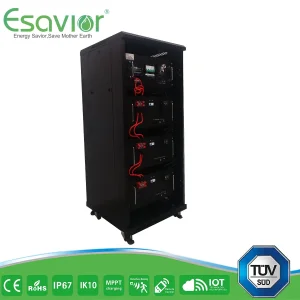
- Cold Storage & Seafood Exports: Protecting seafood exports in Patenga and central Chittagong from refrigeration failures during rolling blackouts by incorporating high-capacity hybrid battery backup kits.
- Coastal and Island Micro-grids: Delivering reliable off-grid power solutions to remote zones such as Sandwip, Kutubdia, and Saint Martin's Island where traditional grid connections are impractical.
- Port Logistics & Warehousing: Utilizing high-efficiency PV arrays powered by heavy-duty off-grid inverters to run communications, safety lighting, and administrative centers at port facilities.