Wing Solar
Wing Solar
Wing Solar
Engineered to withstand extreme environmental challenges, providing continuous, stable power to offshore, island, and mainland municipal networks.
Equatorial Guinea, situated along the Gulf of Guinea in Central Africa, has traditionally relied heavily on fossil fuels to fuel its economic expansion. However, as the region adapts to global energy dynamics, diversification of the national energy grid has transformed from an option into a strategic necessity. With solar radiation levels averaging 4.5 to 5.2 kWh/m²/day, the country presents a unique, rich market for off-grid, hybrid, and utility-scale solar implementations.
Developing reliable infrastructure in cities like Malabo and Bata requires solar systems capable of handling extreme coastal climates, localized high humidity (exceeding 85% year-round), and grid fluctuations. Understanding how solar inverter technology functions within this environment is critical to minimizing maintenance down-time and maximizing project return-on-investment (ROI).
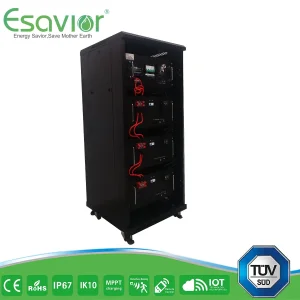
For local commercial complexes, mining enterprises, and public infrastructure sites, continuous utility power remains a bottleneck. The state utility provider, SEGESA, faces distribution constraints, leading to expensive backup diesel generation. Hybrid and off-grid solar inverters serve as the vital link between solar photovoltaic arrays, energy storage systems (BESS), and the primary power grid, drastically reducing the Levelized Cost of Energy (LCOE).
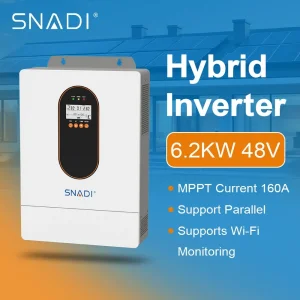
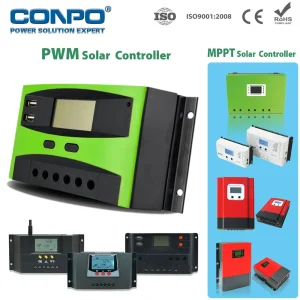
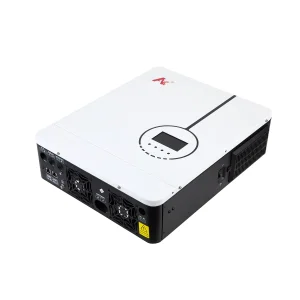
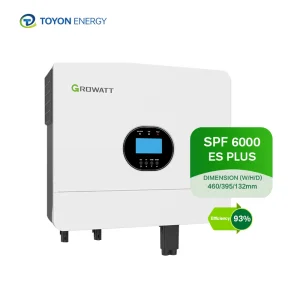
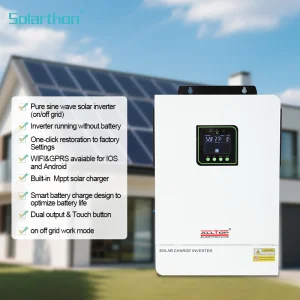
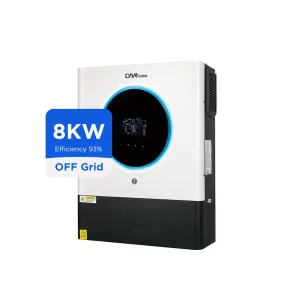
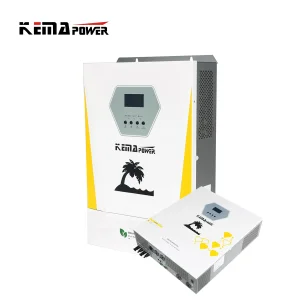
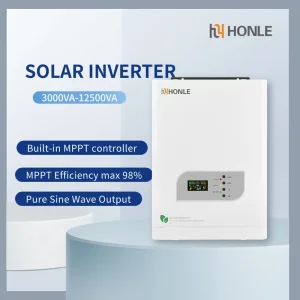
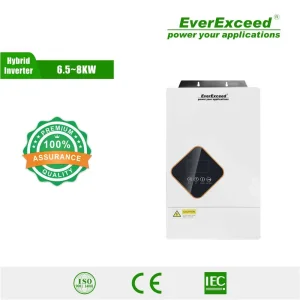
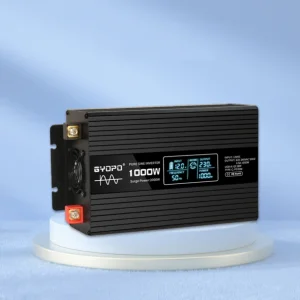
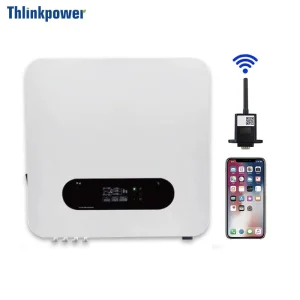
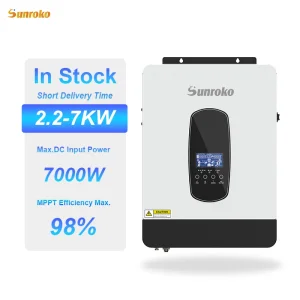
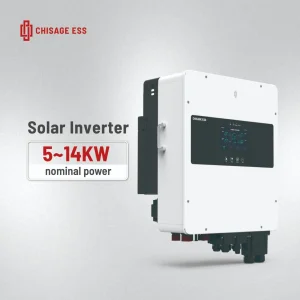
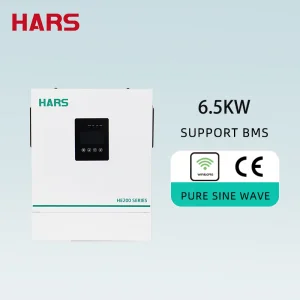
Implementing high-grade, intelligent hybrid inverters in Equatorial Guinea mitigates power loss by seamlessly transitioning between PV generation, battery storage, and generator networks. In coastal regions, components must satisfy stringent anti-corrosion requirements to prevent damage from salt mist and high humidity, rendering IP65-rated units the industry gold standard for C&I applications.
Global EPCs (Engineering, Procurement, and Construction companies) operating in Central Africa require bankable products certified by internationally recognized testing laboratories. Equipment must align with IEC 62109, CE, and RoHS standards to qualify for international funding and commercial development support. As solar technology advances, global procurement departments look beyond simple hardware specifications, emphasizing remote monitoring systems, field-level support, and the manufacturer's overall vertical integration capability.
Chinese tier-1 solar manufacturers leverage automated Industry 4.0 production environments to deliver reliable products worldwide. Precision robotics, real-time AI quality inspection, and climate chambers simulate thermal stress, making it possible to manufacture inverters that perform optimally in equatorial conditions.
Partnering with established Chinese manufacturing hubs provides significant cost advantages and allows custom OEM/ODM modifications, ensuring that units match the specific grid requirements and regional power demands of Equatorial Guinea.
We offer a wide range of products for residential, commercial and industrial applications, and utility-scale. We are committed to utilizing the most advanced technologies and maintaining the highest quality standards in the design, manufacturing, and delivery of our solar panels.
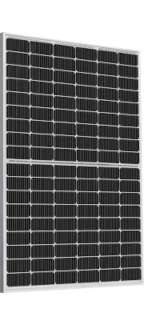
Design: standard
Dimensions: 1762 x 1134 x 30mm
Efficiency: 22.77%
Pmax: -0.29%/°C
Warranty: 30 years
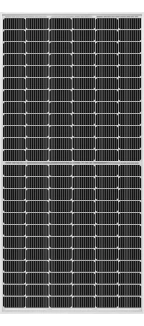
Design: standard
Dimensions: 2279 x 1134 x 35mm
Efficiency: 22.84%
Pmax: -0.29%/°C
Warranty: 30 years
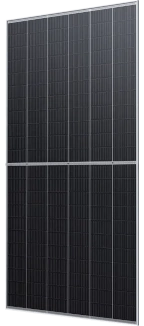
Design: bifacial
Dimensions: 2384 x 1303 x 35mm
Efficiency: 22.70%
Pmax: -0.30%/°C
Warranty: 30 years
Our business focus revolves around innovation, customer satisfaction, and environmental sustainability.
In nearly two decades, we've cultivated a deep understanding of solar technologies, trends, and advancements, embodied in our latest N-Type technology series.
Since its establishment in 2005, Wing has maintained a steady growth trajectory, today employing more than 500 people in China and Europe. Since 2023 Wing Solar is a public company.
We are actively expanding our current capacity of 3 GW by an additional 7 GW by 2026 in our state-of-the-art Industry 4.0 production facility.
Wing stands for a well-established Tier 1 manufacturer by BloombergNEF. We are a stable company producing high-quality solar panels in large volumes and with strong warranties. Wing is a trusted choice in the solar market.
With over 6GW deliveries spanning over 90 regions worldwide, we proudly showcase our commitment to renewable energy and preserving the environment. We are committed to making clean energy accessible to all people.
Wing has a strong international presence and a long track record in the industry. In 2023, Wing solidified its global presence by establishing operational headquarters in Vienna, Austria.
Expert insights covering structural design, tropical climate adaptation, logistics, and grid synchronization.
A comprehensive catalog of heavy-duty power solutions built to support critical loads, grid stability, and off-grid remote configurations.