Wing Solar
Wing Solar
Wing Solar
Engineered for resilience, high conversion rates, and seamless adaptation to the Iberian peninsula solar profile.
As Europe pivots toward absolute carbon neutrality under the REPowerEU directive, Portugal occupies a premier strategic location. Lisbon, boasting over 2,800 hours of solar irradiation annually, is transitioning from a traditional consumer of electrical energy to a sophisticated producer of decentralized solar energy. This transformation has generated immediate industrial demand for highly mobile, rugged, and efficient solar technologies. Portable solar panels are no longer confined to recreational use; they are now key elements in municipal management, off-grid communication infrastructure, eco-tourism projects in regions like Sintra and Cascais, and flexible backup systems for the Port of Lisbon.
Under Portuguese Decreto-Lei n.º 15/2022, industrial developments, commercial networks, and localized microgrids are encouraged to integrate decentralized PV production. Lisbon's coastal atmospheric profile requires equipment featuring superior salt-spray corrosion resistance (IEC 61701 compliant) and premium moisture barriers, making advanced polymer materials like ETFE highly popular in modern portable modules.
For procurement officers in Lisbon, sourcing reliable solar arrays involves securing suppliers that offer strong engineering resources along with stable international supply chains. Finding partners with high-volume production facilities in China alongside European hubs guarantees access to consistent Tier-1 components, reliable warranties, and efficient lead times.
Engineering residential, commercial, industrial, and utility-scale platforms with the highest global efficiency standards.
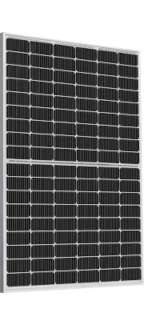
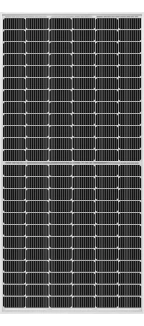
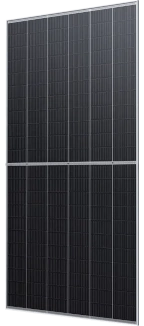
Sourcing large volumes of solar modules requires reliable quality, robust cost control, and adaptable designs. By combining Chinese manufacturing capabilities with local European distribution, our business delivers high-efficiency panels to the Lisbon market with consistent reliability.
Our production facilities utilize automated production lines equipped with EL double-testing scanners, high-accuracy stringer assemblies, and thermal chamber testing. These systems help ensure that all portable PV modules, whether designed with back-contact configurations or bifacial glass, meet strict quality standards before shipping.
To reduce degradation issues over time, we use high-grade EVA and cross-linked ETFE encapsulate layers. These materials prevent delamination under intense UV exposure and resist degradation in warm, humid coastal regions like Lisbon.
With direct shipping routes from manufacturing hubs to the Port of Lisbon and warehouses in central Europe, we maintain stable B2B supply lines. We navigate import clearances, CE/FCC documentation, and local logistics, delivering high-performance products to installers, construction businesses, and municipal projects on schedule.
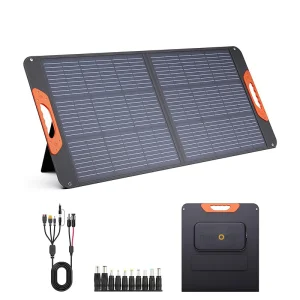
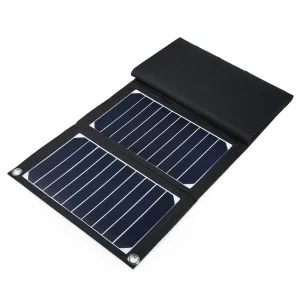
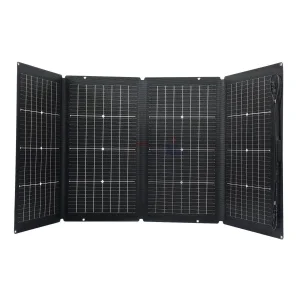
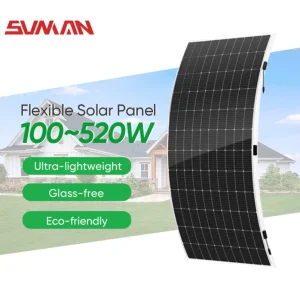
Modern mobile photovoltaic systems have evolved beyond basic flexible plastic backings. Our product pipeline is designed to meet the performance needs of the Lisbon market by focusing on key material science advancements:
Transitioning from standard P-type systems to N-type TOPCon and HJT cells enables conversion efficiencies of 22% to 23.5% in compact, mobile designs.
Using premium ETFE instead of standard PET films improves light transmission, offers self-cleaning properties, and increases resistance to chemical and thermal degradation.
Integrating smart MPPT controllers directly with USB-C Power Delivery and stable DC outputs ensures high compatibility with industrial battery units.
Decentralized energy solutions are increasingly used across several key sectors in Lisbon:
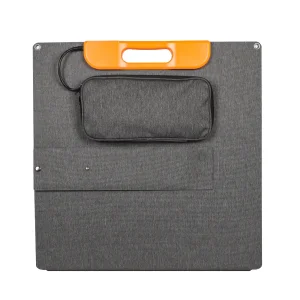
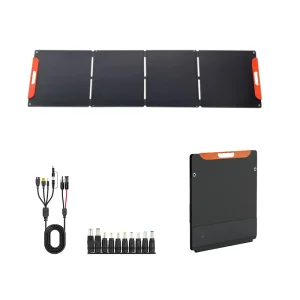
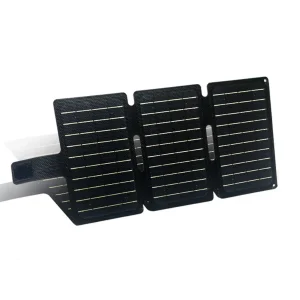
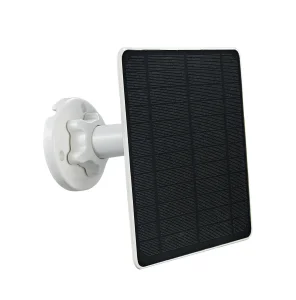
Explore our complete range of certified mobile photovoltaic panels, built for durability and steady energy yield.
Key questions and answers regarding standard installation, performance metrics, and procurement policies.