Wing Solar
Wing Solar
Wing Solar
Tanzania stands at a pivotal junction in the sub-Saharan energy landscape. As the nation targets middle-income status, the demand for reliable, cost-effective, and sustainable power has surged. While the national utility, TANESCO, has made strides in grid expansion, Industrial and Commercial (C&I) sectors in regions like Mwanza, Arusha, and Dar es Salaam still face intermittency issues. This is where Hybrid Solar Systems become a strategic asset rather than a luxury.
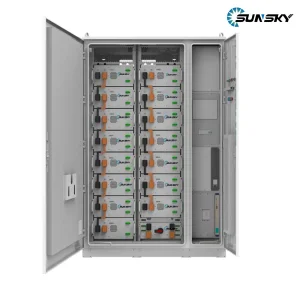
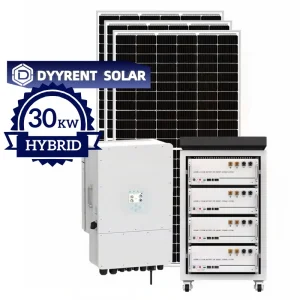
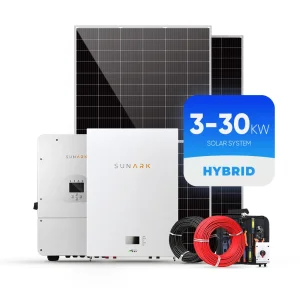
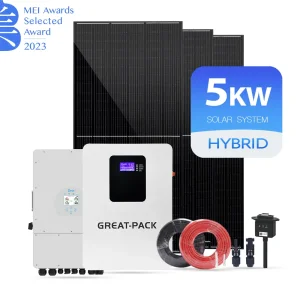
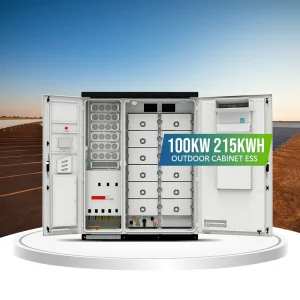
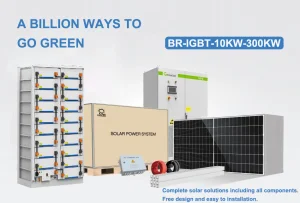
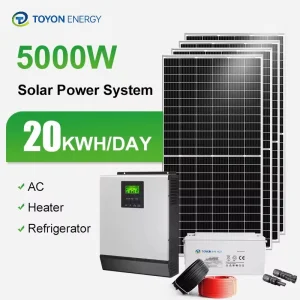
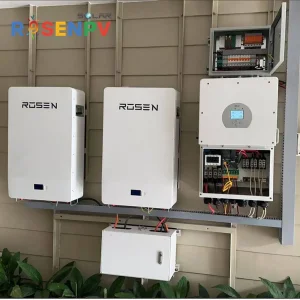
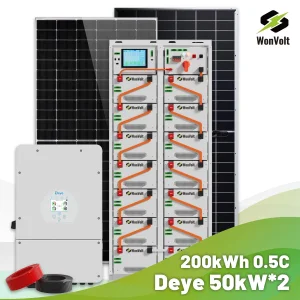
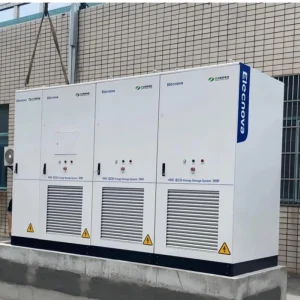
In Tanzania, traditional "On-Grid" systems suffer during load shedding—when the grid goes down, the solar stops. Conversely, "Off-Grid" systems are expensive for large-scale operations. The Hybrid Solution utilizes bi-directional inverters that manage power from solar panels, lithium-ion battery banks, and the utility grid simultaneously. For a Tanzanian gold mine or a textile factory, this means zero-millisecond switching and significant reduction in LCOE (Levelized Cost of Energy).
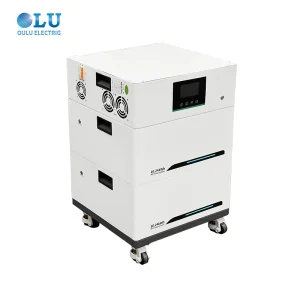
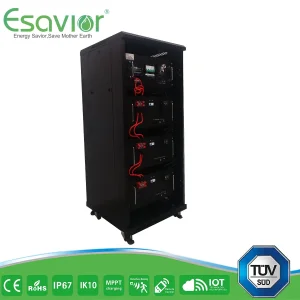
Globally, the transition from P-Type to N-Type TOPCon Technology is the defining trend of 2024. N-Type cells offer higher efficiency (up to 22.84%) and lower degradation rates. In the Tanzania market, we are seeing a shift from traditional Lead-Acid batteries to LiFePO4 (Lithium Iron Phosphate) due to their 6000+ cycle life and suitability for high-temperature environments.
Ideal for: Residential Rooftops
Efficiency: 22.77%
Warranty: 30 Years
Ideal for: C&I Projects
Efficiency: 22.84%
Design: High Durability
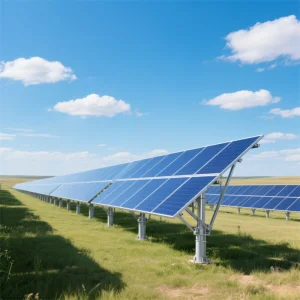
Ideal for: Utility-Scale Plants
Efficiency: 22.70%
Type: Bifacial
Our roadmap for the Tanzania market involves three core pillars:
1. Safari & Tourism: Hybrid systems ensure silent, eco-friendly power for luxury camps in the Serengeti, replacing noisy diesel generators.
2. Agriculture & Cold Chain: Hybrid storage powers refrigeration units for fruit exports, preventing post-harvest loss in the Pwani region.
3. Healthcare: Reliable power for vaccine storage and surgical theaters in regional hospitals where grid stability is inconsistent.
Wing is a prestigious brand and among the leaders in the industry. Since its establishment in 2005, Wing has maintained a steady growth trajectory, today employing more than 500 people in China and Europe. Since 2023, Wing Solar has been a public company, serving over 90 regions worldwide with 6GW+ deliveries.
A: Most Tanzanian commercial enterprises see a full ROI within 3.5 to 5 years, depending on their current diesel consumption and TANESCO tariff bracket.
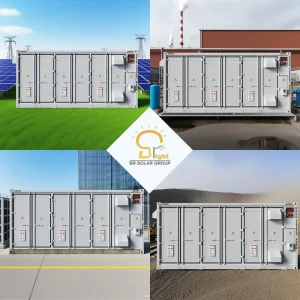
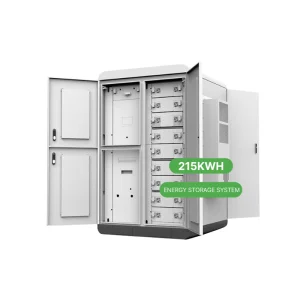
A: Yes, our modules and containerized ESS units feature C5-level anti-corrosion coatings and IP65/IP66 ratings specifically designed for salt-mist environments.
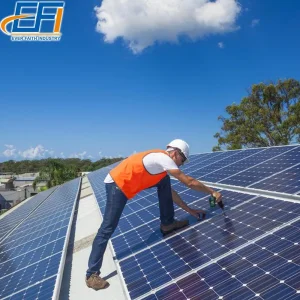
A: We partner with certified local EPC contractors across Tanzania to ensure professional installation and localized after-sales support.
A: While the upfront cost is higher, Lithium batteries offer a lower cost-per-cycle, occupy 70% less space, and do not require maintenance—critical for remote Tanzanian sites.