Wing Solar
Wing Solar
Wing Solar
High-efficiency double glass solar panels engineered for optimized albedo energy yield across Queensland
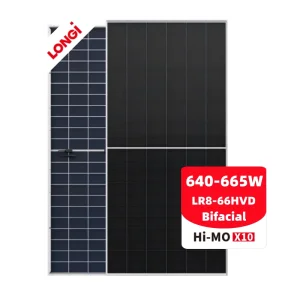
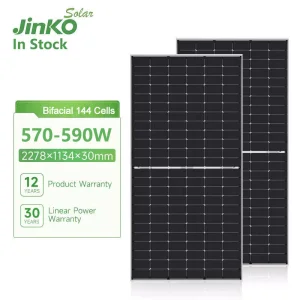
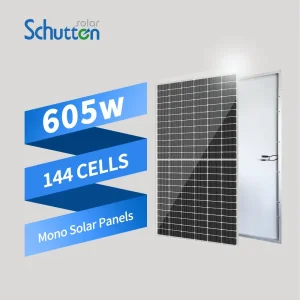
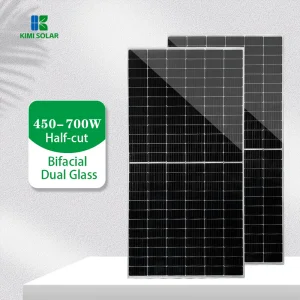
Brisbane and the wider South East Queensland (SEQ) region represent one of the fastest-growing zones for commercial, industrial, and utility-scale solar installations in the southern hemisphere. Driven by Queensland’s ambitious Renewable Energy Target (QRET) of 70% renewable energy by 2032 and 80% by 2035, commercial asset developers, mining operators, and industrial logistics facilities are aggressively deploying advanced photovoltaic technologies to hedge against volatile grid electricity prices.
However, the subtropical Brisbane climate presents unique environmental stressors: high UV indexes, ambient summer temperatures exceeding 38°C, localized salt-mist exposure in coastal suburbs (such as Pinkenba, Lytton, and Wynnum), and intense wind loading conditions designated under wind region classifications. Standard monofacial PV modules often undergo accelerated thermal degradation under these conditions, resulting in lower-than-anticipated yield over their operational lifespan.
Bifacial solar panels yield electricity from both the front and rear surfaces, capturing direct sunlight as well as diffuse albedo reflection from the ground substrate. In commercial roofing projects (typically light-colored concrete, zinc-coated steel, or modern reflective TPO membranes) and ground-mounted utility arrays situated on clay, sand, or dry grassland, bifacial modules deliver an additional 10% to 30% energy output gain (Bifacial Boost) compared to traditional monofacial panels.
Furthermore, bifacial panels utilize a double-glass (glass-on-glass) encapsulation design. This architecture provides vastly superior mechanical stability, preventing micro-cracks during Brisbane’s notorious summer hailstorms, and serves as an impermeable barrier against moisture and salt-mist ingress, keeping PID (Potential Induced Degradation) metrics at near-zero levels.
Albedo Value: 0.40 - 0.55
Ideal for Brisbane commercial rooftops. Back-side generation yields up to an additional 15% - 20% power output, lowering the overall LCOE.
Albedo Value: 0.25 - 0.35
Optimized for ground-mounted arrays in regional Queensland, generating a reliable 8% - 12% yield multiplier over standard setups.
Albedo Value: 0.15 - 0.20
Applicable for urban green-zone commercial properties, providing a steady 5% - 8% energy boost throughout the year.
We offer a wide range of products for residential, commercial and industrial applications, and utility-scale. We are committed to utilizing the most advanced technologies and maintaining the highest quality standards in the design, manufacturing, and delivery of our solar panels.
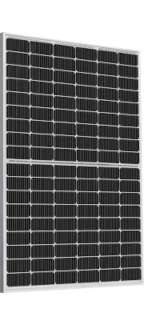
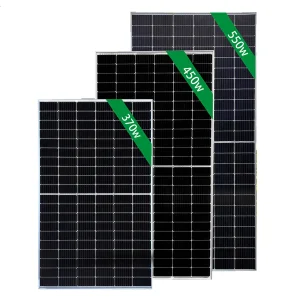
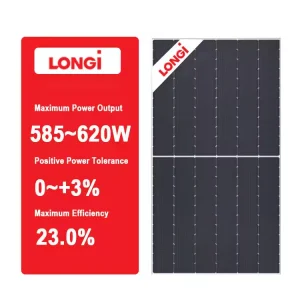
Design: Standard Single/Double-Glass Option
Dimensions: 1762 x 1134 x 30mm
Efficiency: 22.77%
Temp. Coefficient (Pmax): -0.29%/°C
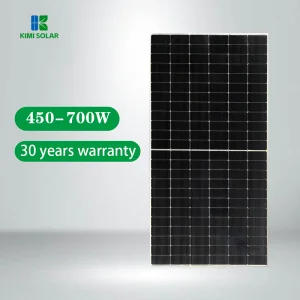
Linear Warranty: 30 years performance backing
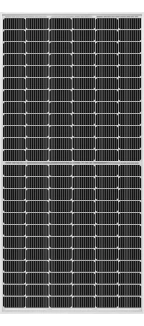
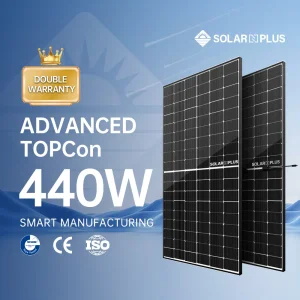
Design: Optimized High-Output C&I Standard
Dimensions: 2279 x 1134 x 35mm
Efficiency: 22.84%
Temp. Coefficient (Pmax): -0.29%/°C
Linear Warranty: 30 years performance backing
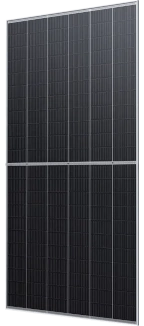
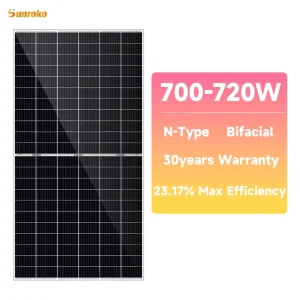
Design: Bifacial Double-Glass Ultra-High Yield
Dimensions: 2384 x 1303 x 35mm
Efficiency: 22.70%
Temp. Coefficient (Pmax): -0.30%/°C
Linear Warranty: 30 years performance backing
In the global solar landscape, the migration from legacy p-type PERC cells to advanced n-type architectures (including Tunnel Oxide Passivated Contact - TOPCon, Heterojunction - HJT, and Hybrid Passivated Back Contact - HPBC) marks a revolutionary leap. N-type silicon substrates are completely immune to Boron-Oxygen pair light-induced degradation (LID), resulting in an immediate 1-2% higher real-world power generation. Their superior temperature coefficient (-0.29%/°C compared to p-type's -0.35%/°C) ensures that when ambient temperatures rise in Brisbane, the power output drop is significantly mitigated.
Moreover, the bifaciality rate—which measures the power generated by the rear side relative to the front side—rises from 70% in conventional PERC configurations to over 80% with TOPCon and 85-90% with HJT. This allows solar project developers in Queensland to achieve unparalleled Levelized Cost of Energy (LCOE) numbers, ensuring rapid return on investment (ROI).
Establishing a secure, reliable, and cost-efficient supply chain from our advanced production facilities in China directly to the site is key to mitigating project delays. By operating state-of-the-art Industry 4.0 smart manufacturing plants in China, we manage vertical integration from silicon wafers to final module laminations.
Our logistical pipeline is optimized for the Australian market. We utilize direct maritime shipping routes connecting major shipping hubs like Shanghai and Ningbo directly to the Port of Brisbane (Fisherman Islands). With pre-cleared customs routes and direct relationships with global shipping alliances, we ensure lead times are minimized, and transport risks are mitigated by robust, sea-freight-grade shock-absorption packaging.
Cultivating a deep understanding of solar technologies and manufacturing since 2005.
Strong product warranty backed by a BloombergNEF Tier 1 verified manufacturer status.
Rapidly scaling up from our current 3GW production capacity to meet global demand.
Prestigious accolades recognizing our commitment to solar design and build quality.
Actively delivering high-output PV modules across key global clean energy markets.
Global logistics network ensuring safe delivery to all regions, including Australia & Oceania.
Our business focus revolves around innovation, customer satisfaction, and environmental sustainability.
Since its establishment in 2005, Wing has maintained a steady growth trajectory, today employing more than 500 people in China and Europe. Since 2023, Wing Solar is a public company. In 2023, Wing solidified its global presence by establishing its operational headquarters in Vienna, Austria, allowing seamless project management, financing assistance, and engineering support for our key regional distributors globally.
To successfully integrate into the Australian market, all PV modules supplied to Brisbane and QLD adhere strictly to Clean Energy Council (CEC) approvals, AS/NZS 5033 standards, and wind action certifications according to AS/NZS 1170.2. This ensures all components are fully bankable and eligible for both Small-scale Technology Certificates (STCs) and Large-scale Generation Certificates (LGCs) under the Clean Energy Regulator framework.
In South East Queensland and Brisbane, solar racking and module integrity must be engineered to withstand severe wind forces. During the summer storm season, East Coast Lows and supercells can generate cyclonic wind gusts. Our double-glass bifacial modules are tested to withstand back-side design pressures of up to 2400 Pa and front-side loads up to 5400 Pa, matching the rigorous requirements of AS/NZS 1170.2 structural wind codes.
Additionally, for marine installations near Moreton Bay or tidal canal zones in coastal Brisbane, the salt concentration in the atmosphere is highly corrosive. Our modules hold Level 6 Salt Mist Corrosion resistance certificates (IEC 61701), Ammonia Corrosion resistance certificates (IEC 62716), and Dust & Sand resistance certificates. This triple-barrier protection ensures that the bifacial PV cells inside remain unaffected by electrolytic degradation over their 30-year performance lifespans.
Level 6 certified for optimal durability in harsh salt-heavy coastal environments.
Constructed and verified to withstand QLD Region B and Cyclonic Region C wind loads.
Verified under Australian regulations to qualify for government solar incentives and credits.
Technical and logistical insights for Brisbane project managers, commercial investors, and procurement offices
For commercial and industrial zones in Brisbane (such as Wacol, Geebung, and Rocklea), the majority of warehouses utilize standard light gray or zincalume metal roof profiles. These surfaces offer an albedo coefficient of approximately 0.25 to 0.40. By utilizing our N-type double-glass bifacial panels, you can expect an energy yield increase of 8% to 15% from the rear-side absorption alone, significantly driving down the project's LCOE compared to standard panels.
We coordinate with top-tier global shipping lines to offer direct ocean freight routes from Shanghai/Ningbo ports to the Port of Brisbane. To prevent micro-cracks during long-distance transit, our packaging uses heavy-duty vertical stacking crates with protective corner protectors and high-damping cushioning materials. All bulk shipments include transit insurance and real-world loading supervision reports to ensure pristine condition upon arrival.
Yes. All our exported solar modules, including our N-type TOPCon and double-glass bifacial configurations, are submitted and certified under the Clean Energy Council (CEC) approved modules register. They comply fully with the AS/NZS 5033 standards, ensuring installers can immediately declare STC/LGC rebates and connect to the Energex or Ergon energy distribution grids in Queensland.
Select from our certified double-glass and high-power bifacial solar modules for direct delivery to QLD ports