Wing Solar
Wing Solar
Wing Solar
Explore our core infrastructure selections featuring top-tier components engineered for extreme performance, grid compatibility, and comprehensive reliability standards.
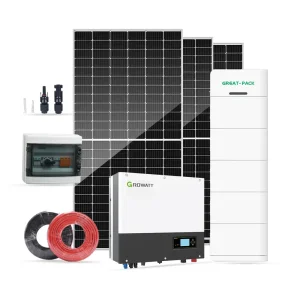
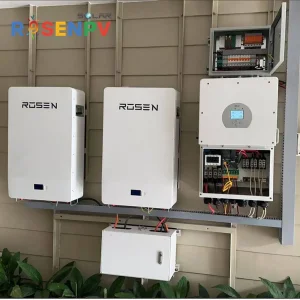
For decades, commercial and industrial solar installations have relied on liquid electrolyte lithium-ion chemistries (such as LFP or NMC) for energy storage. While effective, these systems present inherent limitations: thermal runaway risks, capacity degradation over high duty cycles, and operating constraints in extreme climates. Enter the **Solid-State Solar Battery (SSSB)**.
By replacing the volatile liquid organic electrolyte with a solid-state material (oxide, sulfide, or polymer), manufacturers have unlocked unprecedented safety thresholds and energy densities. SSSBs operate efficiently across wider temperature spectrums, eliminate risk of internal short circuits, and offer a lifespan often exceeding 10,000 charge-discharge cycles.
Global infrastructure funds, EPC contractors, and multinational developers are updating their RFP specifications to include solid-state requirements. The drivers are clear:
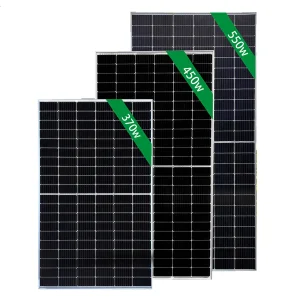
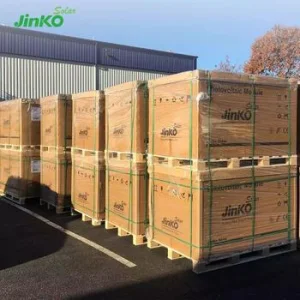
We offer a comprehensive portfolio of high-efficiency PV panels for residential, commercial, industrial, and utility-scale deployments, engineered to feed clean power directly into next-gen storage arrays.
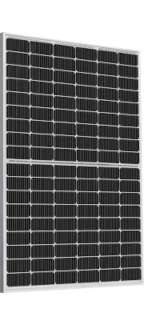
Design: Standard Single-glass
Dimensions: 1762 x 1134 x 30 mm
Efficiency: 22.77%
Pmax Temp Coeff: -0.29% / °C
Warranty: 30-Year Performance Guarantee
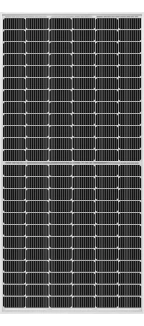
Design: Standard Reinforced Frame
Dimensions: 2279 x 1134 x 35 mm
Efficiency: 22.84%
Pmax Temp Coeff: -0.29% / °C
Warranty: 30-Year Performance Guarantee
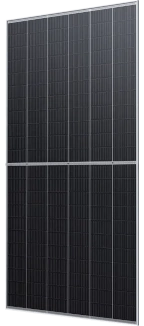
Design: Bifacial Double-glass
Dimensions: 2384 x 1303 x 35 mm
Efficiency: 22.70%
Pmax Temp Coeff: -0.30% / °C
Warranty: 30-Year Performance Guarantee
Our business focus revolves around global innovation, rigorous engineering standards, customer satisfaction, and environmental sustainability.
In the Solar Industry
Product Warranty
Capacity by 2026
Industry Awards
Deliveries Worldwide
Regions Supplied
Since 2005, we have cultivated a deep understanding of photovoltaic cells, dynamic grid demands, and global trade regulations. Our legacy ensures that every solid-state solar integration we support is backed by reliable engineering.
Wing employs more than 500 energy experts across China and Europe. Since transitioning to a public company in 2023, we maintain strict financial audit compliance and deep operational transparency.
Establishing our European headquarters in Vienna allows us to directly manage Western compliance frameworks, streamline localized technical support, and offer rapid logistics for global export markets.
Analyzing key commercial parameters and requirements from worldwide utility-scale procurement directories.
For modern production plants and data centers, power reliability is non-negotiable. SSSBs provide consistent power backup during critical peak periods and mitigate high demand charges. Buyers look for tier-1 bankability, long-term operational track records, and automated battery management system (BMS) integration to lower their overall OPEX.
Grid transmission operators require large capacity installations capable of fast frequency response and deep cyclic discharges. The ultra-low inner resistance of solid electrolytes means less energy is lost to heat generation during charge cycles, leading to high round-trip efficiencies (RTE) surpassing 92% at system levels.
How next-generation energy storage ecosystems are solving structural energy dilemmas globally.
Remote mineral extraction zones operate under rugged conditions with zero access to centralized grids. By pairing bifacial N-type solar modules (up to 705Wp) with solid-state containerized storage, mining companies are replacing expensive, high-emission diesel generators with safe, high-output microgrid solutions that operate without active liquid cooling systems.
Telecom base transceiver stations (BTS) deployed in extreme environments require continuous, maintenance-free operation. Solid-state solar batteries solve the limitations of lead-acid and traditional Li-ion systems by enduring extreme sub-zero mountain ranges and hot desert climates without capacity fade or safety incidents.
Commercial real estate developers face strict local fire safety regulations (like NFPA 855 in the US). Traditional liquid lithium batteries often require expensive fire suppression and isolation systems. SSSBs eliminate these safety barriers, permitting easy indoor roof or basement installation in dense urban areas.
An in-depth chemical and material engineering breakdown of the path from pilot production to complete commercial standardization by 2030.
Mass implementation of semi-solid battery systems utilizing gel-polymer or hybrid oxide-liquid matrices. These designs act as the intermediate production step, achieving up to 350 Wh/kg while using existing roll-to-roll manufacturing lines.
Transitioning to Sulfide-based solid electrolytes. Sulfides provide the highest ionic conductivity at room temperature, outperforming liquid systems. Production scales up to feed high-capacity industrial storage frameworks.
Integration of pure lithium metal anodes with protective solid interface layers. Energy density exceeds 500 Wh/kg. Internal dendrite growth is completely suppressed, unlocking unmatched lifetimes of up to 15,000 cycles for grid services.
Ensuring frictionless importing, local certification compliance, and complete engineering support across continents.
All systems conform to global standards including UL 1973 (stationary batteries), IEC 62619 (industrial applications), CE conformity, and UN 38.3 safe transport guidelines. These ensure zero import friction and instant local grid compliance approvals.
Our established Vienna operational headquarters manages localized product distribution, guarantees direct access to European customer support, and handles regional customs clearances, ensuring seamless delivery pipelines across Europe, Africa, and the Middle East.
From pre-sale feasibility analysis, site engineering layout CAD support, to localized EPC commissioning, our international service team ensures your solid-state solar project operates at peak efficiency from day one.
Addressing the fundamental questions of EPC contractors, procurement directors, and power system designers regarding SSSB technologies.
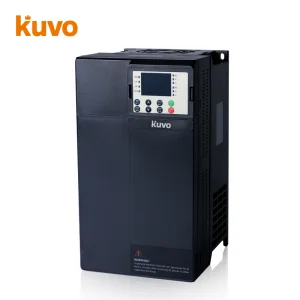
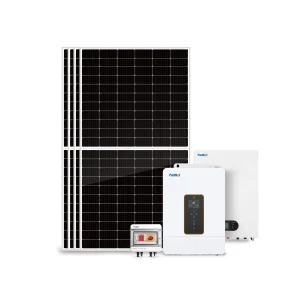
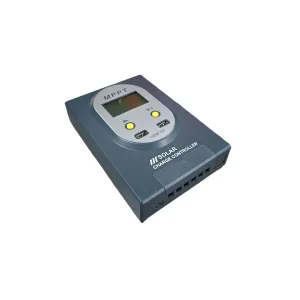
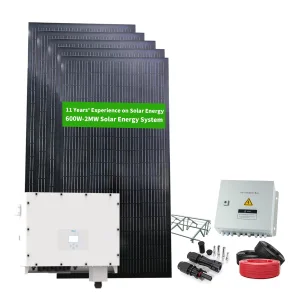
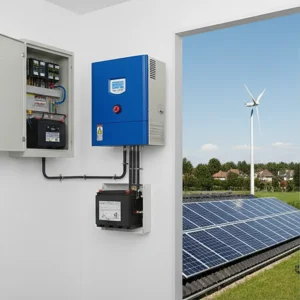
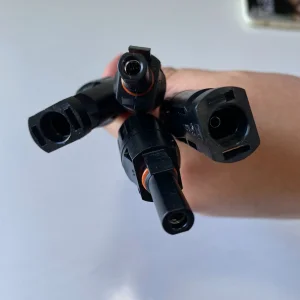
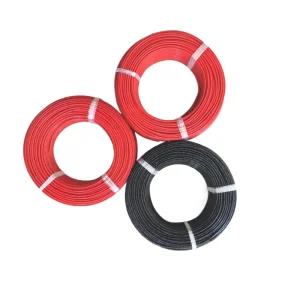
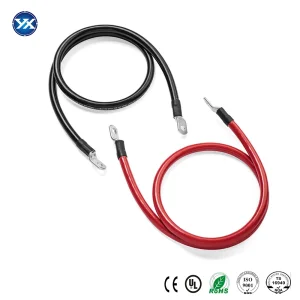
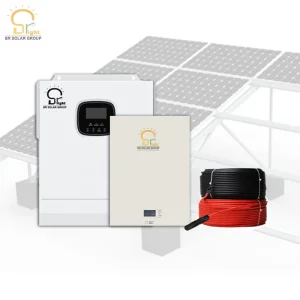
Complete your hybrid PV deployment with high-efficiency inverters, transmission-grade cabling, charge controllers, and specialized system components.