Wing Solar
Wing Solar
Wing Solar
High-performance balance of system (BOS) materials designed to integrate with automated robotic operations.
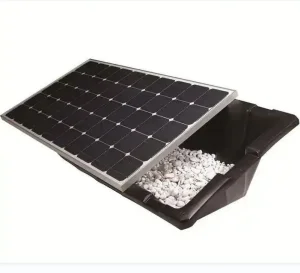
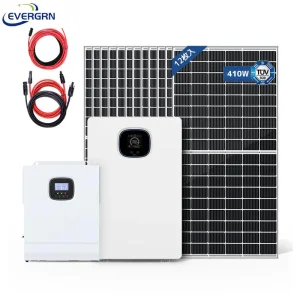
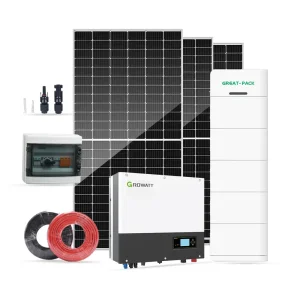
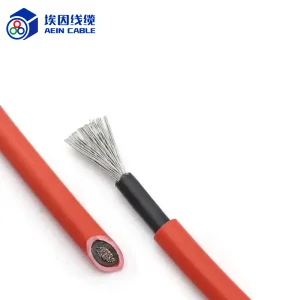
Over the last decade, solar power density and panel efficiency have improved dramatically, moving rapidly into high-efficiency N-Type structures. However, these gains are often systematically undermined by a silent performance killer: environmental soiling. Dust, silica accumulation, bird droppings, and industrial emissions can lead to local hot spots, power degradation, and a steep drop in overall yield—ranging from 5% in temperate regions to upwards of 35% in desert climates.
Historically, commercial operators relied on manual, team-based cleaning using pressurized water trucks and handheld squeegees. This methodology is no longer sustainable due to escalating labor costs, high risks of micro-cracks from thermal shock (when cold water hits hot solar glass), and the critical scarcity of freshwater resources in arid regions where utility-scale solar thrives. The industry has shifted definitively toward **autonomous solar panel cleaning robots** as the new standard in operations and maintenance (O&M).
"O&M cost analysis confirms that transition to robotic dry cleaning systems can yield up to a 14% improvement in LCOE by eliminating ongoing water procurement and minimizing glass surface micro-abrasions."
Utilizing high-density, anti-static spiral microfiber brushes that lift and sweep particles away without scratching the anti-reflective (AR) coating of high-efficiency N-Type panels.
Real-time edge computing path algorithms allow robots to calculate slope deviation, cross structural gaps (up to 50mm), adjust drive speed dynamically, and transmit state-of-health data directly to central SCADA systems.
How international O&M providers, EPC contractors, and project developers structure their cleaning robot specifications.
Industrial procurers demand rigid compliance tests validating that microfiber operations over a 25-year lifecycle will not cause abrasion levels that degrade panel transmissivity. Custom OEM projects feature certified, low-hardness, high-flexibility synthetic filaments.
Minimizing human intervention requires automatic recharging docks featuring high-efficiency solar battery packs, weather monitoring stations, and dust density sensors that initiate cleaning runs dynamically based on real-time efficiency degradation metrics.
Our OEM track systems accommodate steep panel tilt angles (up to 25°), gaps between modules, and unexpected height differences due to ground shifting. Embedded safety tethers and fall-arrest sensors prevent damage to surrounding PV array layouts.
We offer a wide range of products for residential, commercial and industrial applications, and utility-scale. We are committed to utilizing the most advanced technologies and maintaining the highest quality standards in the design, manufacturing, and delivery of our solar panels.
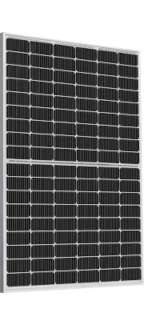
| Design: | Standard |
| Dimensions: | 1762 x 1134 x 30mm |
| Efficiency: | 22.77% |
| Pmax: | -0.29%/°C |
| Warranty: | 30 Years |
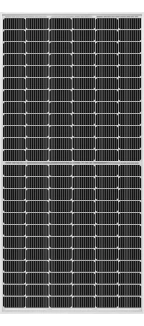
| Design: | Standard |
| Dimensions: | 2279 x 1134 x 35mm |
| Efficiency: | 22.84% |
| Pmax: | -0.29%/°C |
| Warranty: | 30 Years |
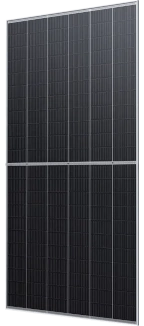
| Design: | Bifacial |
| Dimensions: | 2384 x 1303 x 35mm |
| Efficiency: | 22.70% |
| Pmax: | -0.30%/°C |
| Warranty: | 30 Years |
Developing high-reliability hardware platforms for utility environments demands rigorous factory environments. Our production facilities deploy advanced automated assembly systems, CNC metal processing hubs, and precision engineering calibration tools to build resilient, long-life robotic clean systems.
By using premium lightweight aluminum-magnesium alloys for robot structural frames, we reduce structural load on PV trackers. Integration of automotive-grade traction motors and military-level IMU and RTK GPS guidance modules ensures centimeter-level navigation accuracy, even on arrays with minor structural misalignments.
Our manufacturing cluster features complete supply chain integration: from direct procurement of specialized anti-UV, weather-resistant micro-fibers, to on-site assembly and dynamic vibration testing chambers. Every robot undergoes deep QA validation—including 48-hour continuous operation tests, waterproof tests matching IP66 and IP68 standards, and high/low temperature environment runs simulating desert thermal extremes.
Optimizing cleaning parameters based on environmental variables and project topography.
Environment: MENA Region, Atacama Desert, West India
Subject to severe dust storms, sand dunes, and high temperatures. Requires dry, waterless cleaning systems with specialized particulate blowing elements. Pathplanning models run hourly clean cycles to prevent permanent cementing of silica coatings.
Environment: Factory roofs, urban business zones
Complex structures with physical obstacles, uneven panel alignments, and multiple small arrays. Lightweight, portable robots with high climbing limits (up to 25°) and safety sensor packages prevent damage to structural roof lines and system interfaces.
Environment: Water reservoirs, damp treatment ponds
Extreme relative humidity and risk of water splashes require IP68 waterproof ratings and anti-corrosion composite frames. Special non-slip tracks maintain solid traction on damp glass surfaces, removing organic bird droppings and water stains.
Detailed answers compiled by our technical team for O&M managers and B2B buyers.
Most tier-one solar manufacturers support automated dry-cleaning processes provided the cleaning machinery is certified not to degrade or scratch the anti-reflective (AR) glass coating. Our OEM designs utilize ultra-fine, anti-static, low-durometer microfiber rollers. When deployed within certified speeds, they prevent micro-abrasions, maintaining your 30-year PV module performance warranty while maximizing output levels.
Our autonomous cleaning systems are powered by high-capacity Lithium Iron Phosphate (LiFePO4) battery packs, engineered for optimal stability under high ambient desert temperatures. A typical charge supports 4 to 6 hours of continuous runtime (cleaning up to 1.5 kilometers of continuous arrays). The integrated battery management system (BMS) ensures a battery lifespan of over 2000 full charge-discharge cycles, corresponding to roughly 5 to 7 years of daily cleaning runs.
Yes. Our crawler track design allows the robot to handle module tilt angles up to 25 degrees. The intelligent navigation unit incorporates obstacle sensors that allow the system to successfully traverse horizontal gaps of up to 50mm and vertical steps of up to 20mm. For larger gaps, we offer custom-engineered automatic docking bridge systems as part of our OEM/ODM custom solutions.
Our smart factories adhere to international management and production standards, holding ISO 9001 (Quality Management System), ISO 14001 (Environmental Management System), and ISO 45001 (Occupational Health and Safety). Every cleaning robot is built with CE, FCC, and RoHS certifications. We also collaborate with international test labs like TÜV Rheinland to conduct custom wind tunnel stability tests and salt-fog corrosion trials.
High-spec components designed for long-term installation stability and peak power transmission efficiency.