Wing Solar
Wing Solar
Wing Solar
Explore our flagship off-grid battery banks, solar panels, and mounting hardware engineered to withstand industrial-grade utilization.
Understanding macro-economic trends, regional dynamics, and B2B deployment vectors for modern energy storage.
Industrial enterprises globally are prioritizing Battery Energy Storage Systems (BESS) to shield operations against rising grid instability, mitigate peak demand tariffs, and satisfy corporate carbon neutrality mandates.
Isolated territories, rural farming complexes, and utility-sparse zones in Latin America, Sub-Saharan Africa, and the APAC islands are adopting microgrids powered by N-Type solar paired with lithium battery chemistry.
Legislative structures such as the European Green Deal and the US Inflation Reduction Act (IRA) have solidified tax exemptions and investment credits for multi-megawatt off-grid storage infrastructure.
The industrial and commercial energy transition has definitively shifted away from legacy lead-acid configurations toward advanced Lithium Iron Phosphate (LiFePO4) and sodium-ion technologies. Lead-acid banks, while requiring low initial capital, present prohibitive challenges regarding round-trip efficiency (RTE), cycle life limiters (typically under 1,500 cycles at 50% Depth of Discharge), and high maintenance demands. Modern LiFePO4 structures provide over 6,000 deep cycles at 80% Depth of Discharge, maintaining over 80% state of health (SoH). This lifecycle longevity, combined with thermal runaway mitigation, makes them the premier choice for large-scale, off-grid infrastructure.
Furthermore, the integration of advanced Battery Management Systems (BMS) with real-time CAN/RS485 communication protocols ensures that modern commercial off-grid installations can handle extreme thermal fluctuations while remaining compatible with high-voltage hybrid inverters.
With nearly 20 years in the solar industry, Wing Solar operates state-of-the-art Industry 4.0 production facilities to manufacture Tier 1 solar panels and energy storage systems.
Currently operating at 3GW capacity, actively scaling to 10GW by 2026 via our Industry 4.0 facility.
Actively serving clean energy solutions to partners across more than 90 regions globally.
Established in 2005, providing high-quality Tier 1 components with up to 20 years product warranty.
Our business focus revolves around innovation, customer satisfaction, and environmental sustainability. In nearly two decades, we’ve cultivated a deep understanding of solar technologies, trends, and advancements, embodied in our latest N-Type technology series. Since its establishment in 2005, Wing has maintained a steady growth trajectory, today employing more than 500 people in China and Europe. Since 2023, Wing Solar is a public company. In 2023, Wing solidified its global presence by establishing operational headquarters in Vienna, Austria, ensuring responsive local engineering support and seamless logistics across Europe.
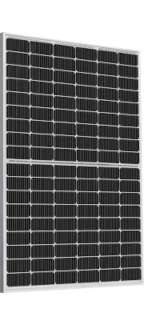
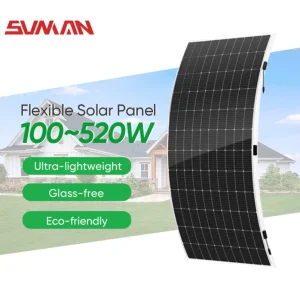
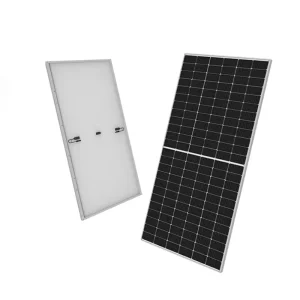
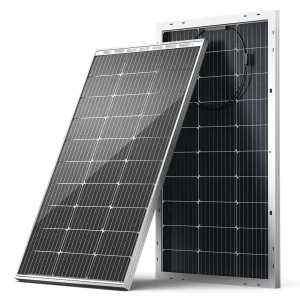
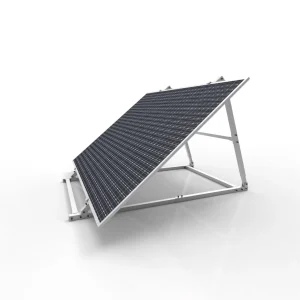
Optimized for residential rooftops, combining premium aesthetics with ultra-high N-type cell efficiency to maximize energy yield in constrained layouts.
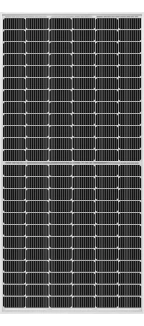
Engineered for light industrial roofs and commercial properties, offering balanced structural load metrics alongside extreme generation profiles.
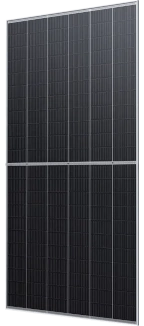
Dual-glass bifacial architecture engineered to harness ground albedo reflection, optimal for utility-scale solar parks and off-grid micro-utilities.
How localized battery production clusters enable cost efficiencies and technological superiority in global exports.
China is the global center of the lithium-ion and photovoltaic supply chain, representing over 75% of worldwide anode, cathode, and lithium cell processing capacity. This geographical consolidation provides distinct advantages for procurement managers sourcing off-grid battery banks:
Examining the diverse installation environments and specialized setups for modern energy storage banks.
Remote 5G/LTE towers depend on high-temperature resilient off-grid battery banks. Operating in conditions from -20°C up to 60°C, our integrated smart BMS monitors battery parameters to guarantee continuous uptime without human intervention.
Agricultural operations use off-grid PV power paired with storage to run high-volume irrigation pumps during peak sun hours and maintain pressurized water systems overnight, bypassing unstable public utility grids.
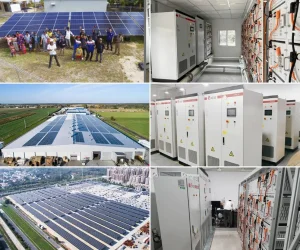
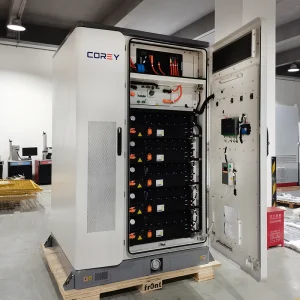
Off-grid manufacturing centers and mines run heavy machinery via multi-megawatt containerized BESS. These container setups integrate cooling, fire suppression, and bidirectional inverters in a single deployment package.
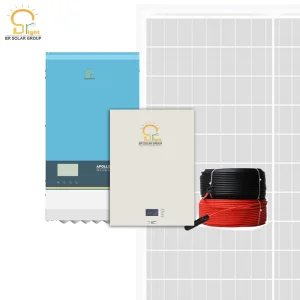
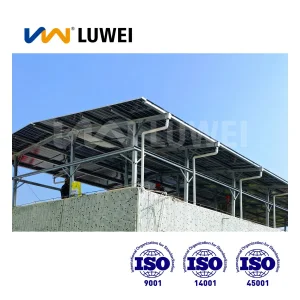
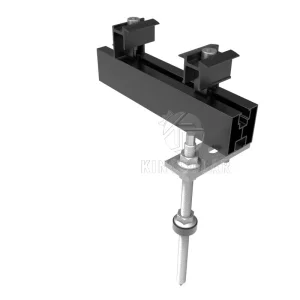
Whether deploying a compact residential backup system, such as a 12kW off-grid home set, or a large-scale 215kWh containerized industrial installation, selecting matching mounting kits and high-amperage cables is critical. Sourcing from a single supplier ensures component compatibility, reducing engineering bottlenecks on-site.
Key criteria, verification checklists, and certification standards required for global importing.
Sourcing utility-scale energy storage systems demands strict verification of regulatory compliance, manufacturing consistency, and financial health. B2B procurement agents should evaluate potential exporters against the following framework:
A forward-looking analysis of next-generation solid-state chemistry, AI EMS, and design shifts.
The energy storage industry is evolving rapidly, driven by three major technological shifts:
Answers to common technical, logistics, and system integration questions from procurement teams.
Premium LiFePO4 cells typically deliver between 5,000 and 8,000 charge cycles when operated at an 80% Depth of Discharge (DoD) at 25°C. For standard daily cycling, this translates to over 15 years of operational life before the battery capacity drops to 80% of its initial rating.
N-type solar cells have zero Light-Induced Degradation (LID) and feature a superior temperature coefficient (-0.29%/°C). They perform exceptionally well in low-light and high-temperature environments, generating more daily energy to charge connected battery banks.
Lithium battery banks are classified as Class 9 Dangerous Goods. Exports must meet UN 38.3 safety standards and require a Materials Safety Data Sheet (MSDS) along with a Certificate for Safe Transport of Chemical Goods. Sea freight remains the most cost-effective method for shipping high-capacity batteries.
Mixing battery modules of different ages, capacities, or manufacturers is not recommended. Variance in internal resistance leads to unbalanced current distribution, reducing system efficiency and shortening the lifespan of newer battery modules.
Liquid cooling provides superior thermal regulation, keeping cell-to-cell temperature variations within ±2°C. This level of temperature control prevents hot spots, increases round-trip efficiency, and extends battery life, especially in high C-rate commercial installations.
From micro-inverters to large capacity battery blocks, explore the full catalog of industrial components.