Wing Solar
Wing Solar
Wing Solar
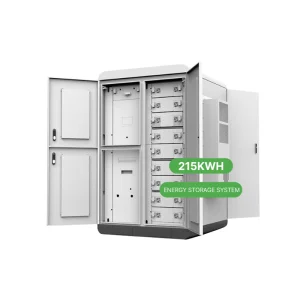
Explore our top-tier components engineered to integrate seamlessly with industrial lead-carbon battery cabinets, commercial hybrid solar arrays, and high-capacity microgrid systems.
Providing actionable intelligence, technical analysis, and global procurement insights for system integrators, EPC engineers, and energy developers.
In the global transition toward decarbonized grid structures, energy storage technologies have emerged as the foundational pillar for stabilizing intermittent renewable generation. While lithium-ion chemistries have garnered massive market attention, Lead Carbon (Pb-C) battery technology has quietly carved out a commanding position in long-duration, high-safety, and economically critical utility and C&I applications.
By incorporating highly conductive carbon materials (such as activated carbon, graphene, or carbon nanotubes) into the negative plate of a traditional lead-acid cell, manufacturers have successfully mitigated the primary failure mode of conventional lead batteries: negative plate sulfation. The carbon acts as a supercapacitor, providing a dual-energy storage mechanism that accelerates charge acceptance and enables stable operation in a High Rate Partial State of Charge (HRPSoC) without capacity loss.
“Lead carbon batteries represent a hybrid electrochemical device that merges the energy density of lead-acid with the rapid power response and cycle longevity of supercapacitors, resulting in an exceptionally stable storage medium for grid-scale peak-shaving applications.”
When engineering utility-scale grid infrastructure or rugged off-grid hybrid power systems, engineering procurement and construction (EPC) firms evaluate chemistries based on Levelized Cost of Storage (LCOS), safety profiles, and environmental recycling streams. Lead carbon holds three decisive advantages:
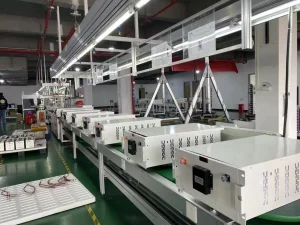
As a Tier 1 manufacturer evaluated by BloombergNEF, our production framework integrates the highest tiers of automation to deliver reliable energy storage equipment. Our Factory 4.0 model combines robotic assembly, real-time chemical dosing validation, and automated cell-matching algorithms. By maintaining tight control over the grid-casting process, active paste formulation, and final electrolyte filling under vacuum, we minimize internal resistance variation across cell batches.
With an active capacity of 3GW scaling up to 10GW by 2026, our factory integrates upstream raw materials sourcing (highly purified lead and advanced carbon composites) directly with downstream structural fabrication. This vertically integrated supply chain insulates our partners from regional trade volatility, ensuring predictable delivery timelines and cost-stability for multi-megawatt procurements.
A primary friction point for B2B buyers is sourcing generic storage cabinets that fail to match the real-world operational parameters of the project site. Our ODM services address this by offering tailorable integration options:
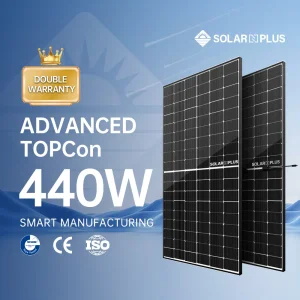
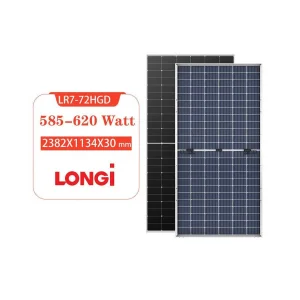
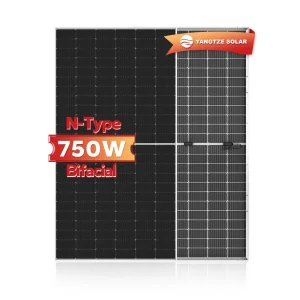
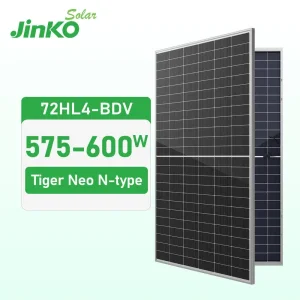
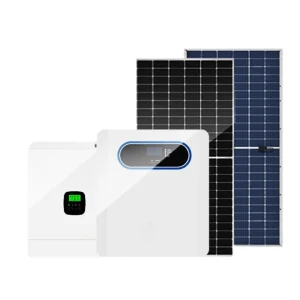
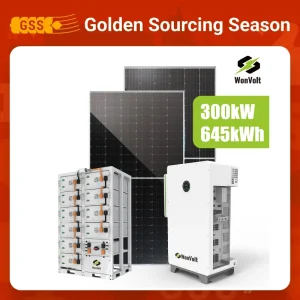
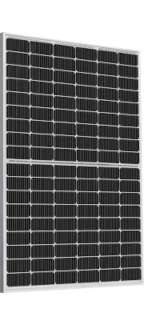
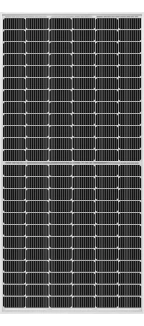
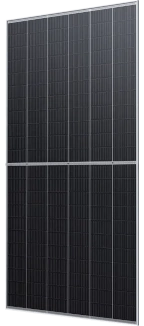
To achieve maximum round-trip efficiency in battery storage systems, matching the solar array technology is critical. We offer high-performance N-Type solar modules designed to maximize power yield for residential, commercial, industrial, and utility projects.
B2B procurement teams must carefully evaluate technical compliance to ensure smooth project financing and system operation. When selecting a lead carbon battery factory, ensure they satisfy these global standards:
Verify compliance with CE, FCC, UL1973, IEC61427, and UN38.3. This ensures smooth customs clearance and utility interconnection approvals.
An advanced BMS tracks State of Health (SOH) and State of Charge (SOC) at the individual cell level, protecting the system from overcharge and deep discharge.
Operational headquarters in Vienna, Austria, combined with robust production plants in China, ensures seamless service and efficient shipping logistics.
Understanding localized application scenarios helps maximize the return on investment (ROI) for Lead Carbon storage technology:
Scenario A: High-Tariff Commercial Peak-Shaving
In regions with steep demand charges (such as Western Europe and parts of North America), businesses use lead carbon storage systems to shave peak load profiles. Charging the battery bank during off-peak hours using our N-type solar arrays and discharging during peak rates minimizes operational energy expenses.
Scenario B: Off-Grid Industrial Microgrids & Remote Mining
Heavy machinery operations require massive start-up currents, which can strain standard energy storage systems. The high discharge capacity of lead carbon makes it a reliable energy source for heavy machinery, mining camps, and agricultural processing centers located far from the main grid.
Scenario C: Telecommunication Infrastructure in Extreme Regions
Telecom base stations demand uninterrupted power. Lead carbon batteries are widely deployed in remote base stations because they offer long service intervals, high cycle life in partial state of charge (PSoC), and reliable performance in sub-zero and desert environments.
Answers to common technical, commercial, and operational questions from global buyers and engineers.
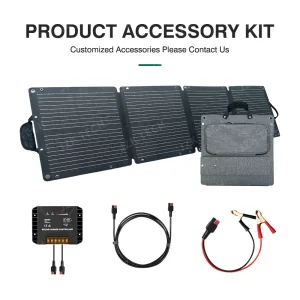
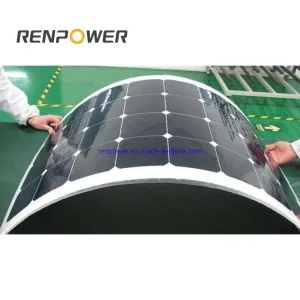
Integrate these advanced modules, mounting kits, and flexible panels to build a comprehensive, high-efficiency solar power generation and storage ecosystem.