Wing Solar
Solar power systems are becoming increasingly crucial for sustainable energy. However, many users overlook a key aspect: maintenance. This raises the question, "Why do solar systems need maintenance?" According to a recent report by the Solar Energy Industries Association (SEIA), regular inspections can enhance efficiency by up to 25%. Yet, many installations do not receive adequate attention.
Experts emphasize the importance of proper upkeep. Dr. Laura Goldstein, a renewable energy researcher, stated, "Neglecting maintenance can lead to significant performance losses." Her insights highlight how small problems can escalate. Regularly cleaning panels and checking electrical connections are essential tasks.
Without these measures, systems may suffer from reduced energy output and lifespan. Data shows that systems with a solid maintenance plan generate more energy consistently. In contrast, unattended systems often experience early failures. Reflecting on these aspects sheds light on the necessity for ongoing care in solar technology.
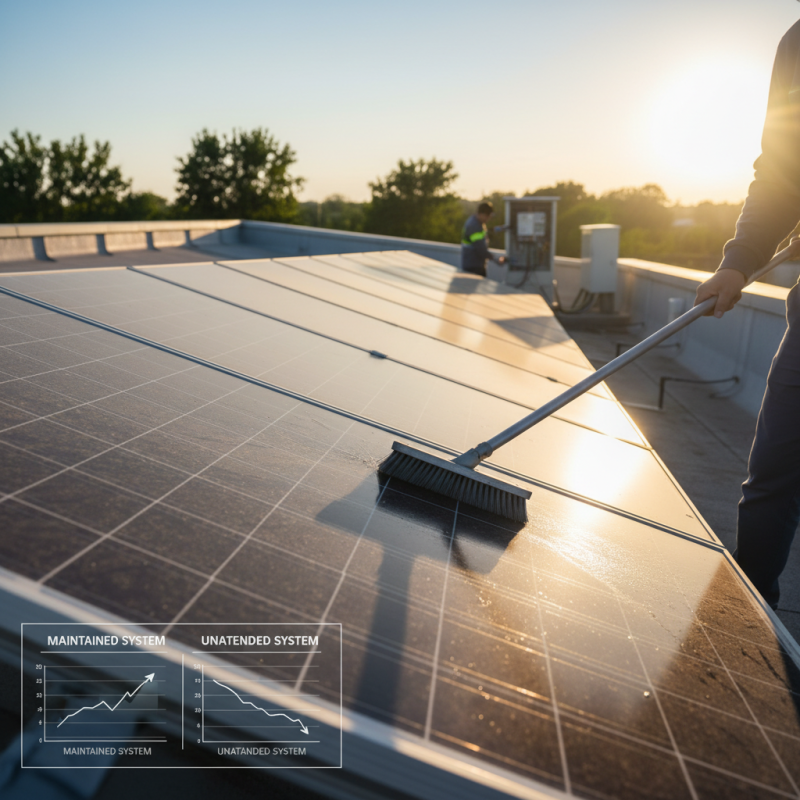
Solar systems require regular maintenance to ensure optimal performance. This maintenance directly influences energy efficiency. According to the National Renewable Energy Laboratory, neglected solar panels can experience a decrease in efficiency of up to 20%. Regular upkeep helps avoid such losses and keeps your system operating at peak levels.
Clean solar panels can greatly enhance energy production. Dust, dirt, and debris can block sunlight. Therefore, cleaning your panels a couple of times a year is advisable. It’s essential to check for any visible wear or damage. Monitoring inverter performance is crucial as well. Inverters convert the energy generated, and faulty ones can lead to inefficiencies.
Tips: Inspect wiring for any signs of wear. This can prevent overheating and potential safety hazards. Always refer to professional services if you're unsure about any issues. Investing in regular maintenance can save you significant costs in the long run, yielding better solar energy returns. Keeping records of your maintenance will also help track performance improvements over time.
Regular maintenance is crucial for solar systems to ensure their optimal performance. Common issues can arise due to various factors that often go unnoticed. A study from the National Renewable Energy Laboratory reveals that poorly maintained systems can lose up to 25% of their efficiency over time.
Dust accumulation, shading from overgrown vegetation, and wiring issues are common culprits that can diminish output. These problems often worsen if left unchecked, making timely interventions essential.
Inverter malfunctions can also impact performance significantly. According to the Solar Energy Industries Association, about 10% of all solar installations experience inverter issues. These issues can lead to costly repairs and loss of energy production. Regular inspections can help identify signs of wear or any faults before they escalate.
Addressing minor concerns proactively not only protects your investment but also assures consistent energy generation. Engaging with reputable service providers for routine maintenance checks ensures that your solar system remains efficient over its lifespan. Monitoring and acting on these common issues can transform performance and savings.
Routine cleaning and inspections of solar systems are crucial for optimal performance. According to the National Renewable Energy Laboratory (NREL), dirty solar panels can lose up to 25% efficiency. Dust, pollen, and bird droppings can accumulate, blocking sunlight. This buildup can significantly decrease the system's energy output and overall performance. Periodic cleaning can help maintain the efficiency of solar panels and increase energy production.
Regular inspections are equally important. They help identify potential issues early, such as damaged wires or loose connections. The Solar Energy Industries Association (SEIA) reports that routine maintenance can extend the lifespan of a solar system by up to 20 years. Professionals recommend inspections at least once a year. During these checks, experts assess the structural integrity and performance metrics. Neglecting this can lead to costly repairs later.
Not every owner prioritizes maintenance. Some may think their systems run fine without it. However, unmonitored systems can develop hidden problems. Leaving a solar setup to gather dust is a gamble with energy efficiency. Owners should recognize the importance of proactive care. Investing time and resources in maintenance is essential for ensuring long-term savings and performance.
Maintaining solar systems is crucial for their performance. Regular maintenance helps identify issues early. Small problems can quickly turn into costly repairs. Routine checks on components like inverters and panels can enhance their efficiency significantly. A technician can determine if cleaning or replacing parts is necessary.
Timely upgrades also play a key role in optimizing performance. Solar technology evolves rapidly. Newer models may offer better efficiency rates. Homeowners should consider these advancements when assessing their systems. Upgrading components may seem intimidating. However, it can lead to long-term savings and improved energy generation.
Yet, it is easy to overlook maintenance needs. Some might think solar systems are low-maintenance. They might ignore warning signs. Neglect can lead to diminished performance over time. Investing in professional assessments can help maintain performance levels. This approach ensures optimal energy generation and long-term benefits.
Regular maintenance is vital for solar systems. Without it, efficiency can drop significantly. Dust, debris, and even shadows can obstruct performance. Neglected systems may generate less energy, impacting savings. Thus, maintenance becomes a cost-effective strategy.
Investing in periodic checks can prevent expensive repairs. A small fee for cleaning or inspection can save larger costs. When components wear out, replacing them early reduces future expenses. Data shows that well-maintained systems last longer. Homeowners often overlook this benefit. They focus primarily on installation costs. However, understanding the value of maintenance is crucial.
Some fans of renewable energy underestimate the need for upkeep. A solar system is not a "set it and forget it" investment. Observing performance trends can reveal necessary adjustments. Engaging professionals ensures optimal functionality. In the long run, investing in maintenance pays off. The benefits contribute to a system's longevity. Regular maintenance is an essential part of managing solar energy systems.
: Routine cleaning prevents dirt and debris from blocking sunlight, which can reduce system efficiency by up to 25%.
It's recommended to conduct inspections at least once a year to catch potential issues early.
Neglecting maintenance may lead to hidden problems, costly repairs, and decreased energy production over time.
Yes, small problems can escalate quickly into expensive repairs if not addressed promptly.
Newer solar technology can offer better efficiency, making upgrades worthwhile for homeowners seeking improved performance.
Homeowners should recognize that maintenance is crucial, not just an added expense, for saving costs in the long run.
Many homeowners mistakenly believe solar systems require minimal upkeep, which can lead to overlooked maintenance needs.
Regular maintenance is cost-effective; it prevents major issues and promotes longer system lifespan, saving money overall.
Professional assessments can help keep performance levels high, ensuring optimal energy generation and long-lasting benefits.
Many owners overlook the importance of ongoing maintenance, thinking installation is the only cost that matters.
Regular maintenance is crucial for solar systems to ensure optimal performance and longevity. The topic "Why do solar systems need maintenance" highlights the importance of addressing common issues that can arise over time, such as dirt accumulation, shading, or equipment wear. Routine cleaning and inspections help identify potential problems early, preventing costly repairs and ensuring that the system operates at peak efficiency.
Additionally, timely repairs and upgrades can significantly enhance the overall performance of a solar system, maximizing energy generation and return on investment. Understanding the cost-effectiveness of maintenance further emphasizes that investing in regular upkeep can lead to substantial savings in the long run. Ultimately, maintaining solar systems not only preserves their functionality but also supports sustainable energy goals.
