As renewable energy sources, solar systems are gaining popularity. However, safety remains a critical concern in their installation. According to the International Renewable Energy Agency (IRENA), solar energy capacity has increased by over 20% annually in recent years. Despite this growth, many overlook essential safety rules that apply to solar systems.
Industry expert Dr. Emily Hargrove states, “Understanding what safety rules apply to solar systems is crucial for installers and homeowners.” Her insights emphasize the importance of adhering to safety regulations during installation. For instance, proper electrical grounding is essential to prevent accidents. In addition, installers must be vigilant about using certified equipment.
Moreover, professionals often face challenges in ensuring compliance with safety standards. Improper installation can lead to hazards like electrical fires or equipment damage. Thus, practical knowledge and safety protocols are paramount. The focus should remain on not just achieving efficiency but also on upholding safety standards throughout the process.
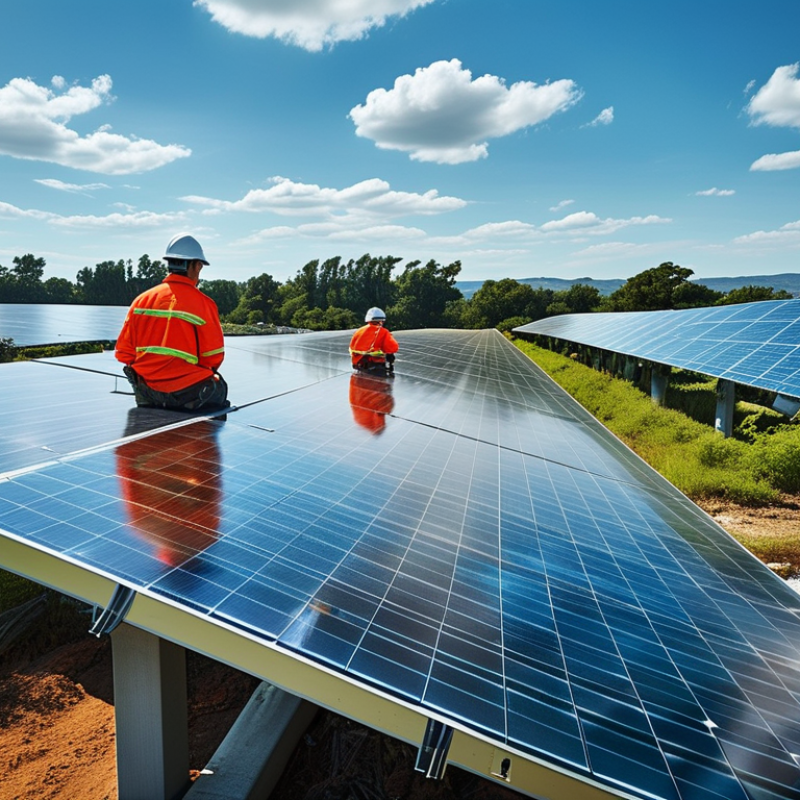
Essential Protective Gear for Solar Panel Installation Safety
When installing solar panels, safety must be a top priority. Essential protective gear is crucial for preventing injuries.
Workers should wear durable gloves to protect hands from sharp edges and debris. A hard hat is also vital to guard against potential falling objects.
Eyes need protection too. Safety goggles should be worn whenever working with tools or handling components. This reduces the risk of dust and small particles causing harm.
Harnesses may be necessary for roof installations. Falling is a real danger, and taking precautions can save lives.
While having the right gear is important, one must also focus on proper training. Understanding how to use equipment correctly is essential. It may seem simple, but even minor oversights can lead to serious accidents.
Regularly reviewing safety practices can reinforce awareness. All workers should feel empowered to speak up about safety concerns. A culture of vigilance enhances everyone’s safety on the job site.
Understanding Electrical Hazards: Voltage Levels and Shock Prevention
When installing solar systems, understanding electrical hazards is crucial. High voltage levels pose serious risks. A sudden electric shock can result in severe injuries or even fatality. Homeowners and professionals alike must prioritize safety measures throughout the installation process.
Tips: Always wear insulated gloves. This reduces the risk of electric shock. Ensure your workspace is dry and well-lit. Wet surfaces can increase the danger posed by electricity. Additionally, familiarize yourself with the local electrical codes. Not all areas have the same voltage regulations, which can lead to confusion and accidents.
Voltage levels can vary significantly in solar installations. High voltage systems may exceed 600 volts. This requires specialized knowledge and training. Even low-voltage systems can be dangerous if not handled properly. You may think low voltage equals safety, but hazards exist. One mistake can have serious consequences.
Tips: Use lockout/tagout procedures during installation. This ensures the system is completely shut down before work begins. Keep tools and equipment in good condition to avoid malfunctions. Always double-check connections and grounding systems. Proper grounding prevents harmful electrical shocks. Look for signs of wear or damage on wires and connectors. Regular inspections are essential for long-term safety.
Safe Ladder Usage: Best Practices for Working at Heights
Installing solar systems involves working at heights, making ladder safety a critical aspect. Proper ladder usage can significantly reduce the risk of falls, which are a common cause of injuries. Before starting, inspect the ladder for any defects. Check if the rungs are secure and the feet are intact. A wobbly ladder can lead to serious accidents.
When positioning the ladder, ensure it is on stable ground. Avoid soft or uneven surfaces. For optimal safety, set the ladder at a 75-degree angle. This angle is crucial for stability. When climbing, maintain three points of contact. Using both hands and one foot, or both feet and one hand, allows for better balance.
Don't rush while on the ladder. Take your time, and don’t overload it with equipment. Use a tool belt to keep your hands free. If you're feeling tired or distracted, step down. Safety is not just about equipment; it's about awareness and making smart choices. Every precaution counts. Reflecting on past experiences can enhance safety practices for future installations.
Top 5 Safety Rules for Installing Solar Systems
| Safety Rule |
Description |
Best Practices |
| Ladder Safety |
Use a sturdy ladder that meets safety standards for working at heights. |
Ensure the ladder is on a stable surface, and maintain three points of contact at all times. |
| Personal Protective Equipment (PPE) |
Wear appropriate PPE such as hard hats, safety glasses, and gloves. |
Conduct regular checks to ensure PPE is in good condition and fits properly. |
| Electrical Safety |
Ensure all electrical systems are de-energized before starting work. |
Use insulated tools and verify there is no voltage in the systems before beginning installation. |
| Weather Considerations |
Monitor weather conditions before and during installation work. |
Postpone work in adverse weather, such as high winds or rain, that can affect safety. |
| Spotter/Team Work |
Use a spotter when working at heights to ensure overall safety. |
Communicate clearly and maintain awareness of surroundings during work. |
Proper Wiring Techniques: Ensuring Circuit Integrity and Safety
Proper wiring is crucial for installing solar systems safely. Incorrect wiring can lead to system failures and safety hazards. Each connection must be secure and correctly insulated. Using quality materials can reduce risks. Remember, even small mistakes can cause significant issues later.
Always follow electrical codes during installation. These codes ensure systems operate safely and efficiently. Pay attention to wire gauge and circuit loads. Overloaded circuits may overheat and cause fires. Regularly inspect your wiring for wear or damage. Faulty connections can create problems over time.
Documentation is essential for proper maintenance. Keep a record of your wiring layout. This helps in troubleshooting later. Encourage continuous education about new wiring techniques. Staying updated can enhance safety and effectiveness. Mistakes happen, but learning from them is vital. Regular training can prevent future errors in your installations.
Emergency Preparedness: Creating a Response Plan for Installation Sites
Creating an effective emergency response plan for solar system installation sites is crucial. Accidents can happen, and preparation helps minimize risks. Start by identifying potential hazards, such as
electrical shocks and falls from height. Train your team to recognize these risks. Regular drills ensure everyone knows the safety protocols.
Communication is vital in an emergency. Establish clear lines of reporting and procedures. Each team member should understand their role during an incident. Equip the site with first aid kits and emergency contact numbers. It's also essential to have fire extinguishers accessible and regularly inspected.
Moreover, review and revise your plan. Reflect on past incidents to improve future responses. Document lessons learned and share them with the team. This process, while not perfect, builds a culture of safety and responsibility.
An incomplete or outdated plan can lead to confusion, risking worker safety. Continuously engage with your staff to foster an environment where safety is a shared priority.
FAQS
: Workers should wear durable gloves, hard hats, and safety goggles to ensure maximum protection.
Safety goggles protect the eyes from dust and small particles while working with tools.
Using harnesses while working on roofs is essential to prevent falls and ensure safety.
Understanding equipment use is crucial; even small mistakes can cause serious accidents.
Inspect the ladder for defects and ensure the rungs and feet are secure.
Set the ladder at a 75-degree angle for optimal stability on solid ground.
Keep three points of contact to enhance balance—two hands and one foot or the reverse.
It’s safer to step down and take a break instead of risking a fall.
Reflecting can enhance safety practices and prevent future incidents from occurring.
Workers should feel empowered to voice concerns, fostering a culture of vigilance on-site.
Conclusion
When it comes to installing solar systems, understanding "what safety rules apply to solar systems" is crucial for ensuring the safety of all personnel involved. Essential protective gear is the first line of defense against potential injuries, emphasizing the need for proper helmets, gloves, and eye protection. Being aware of electrical hazards—such as voltage levels and shock prevention measures—is vital to avoid accidents caused by electricity. Furthermore, safe ladder usage is critical when working at heights to minimize falls, while adhering to best practices ensures stability and safety.
Another key aspect of solar system installation safety involves proper wiring techniques to maintain circuit integrity, which helps prevent electrical failures and hazards. Lastly, having an emergency preparedness plan in place allows teams to respond swiftly to incidents, ensuring that everyone knows the appropriate actions to take in case of an emergency. Overall, following these safety rules will create a secure environment for solar installations and protect all workers involved.
 Wing Solar
