Wing Solar
As the world grapples with climate change, energy sources are under scrutiny. Solar power emerges as a frontrunner. Why is solar power considered reliable? This question is vital. It reflects growing concerns over fossil fuels. Solar energy offers a clean alternative. It utilizes sunlight, a resource available everywhere.
Harnessing solar energy requires specific infrastructure. While many homes adopt solar panels, not all locations are equipped. Accessibility is key. Areas with high sunlight exposure benefit greatly. However, regions with frequent cloud cover may struggle. This inconsistency raises questions about the reliability of solar power.
Yet, advancements in technology are addressing these challenges. Innovations in energy storage help manage supply. Batteries can hold excess energy for cloudy days. As solar technology evolves, its reliability improves. Despite existing limitations, the potential of solar power is indisputable. It offers a sustainable path for future energy needs.
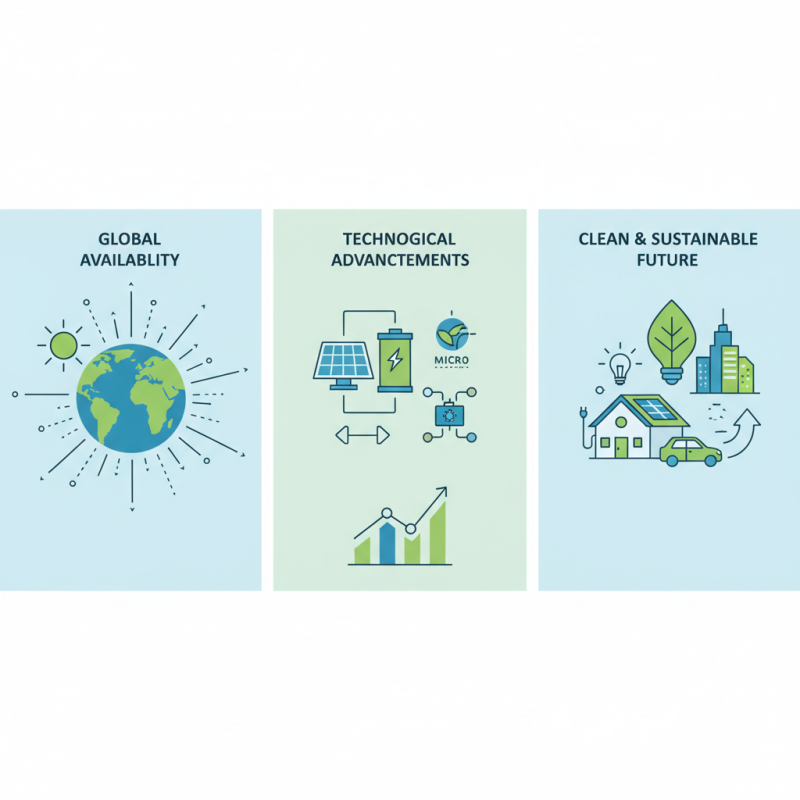
Solar power technology harnesses the energy from the sun. It converts sunlight into electricity using photovoltaic (PV) cells. These cells are typically made from silicon, a widely available material.
According to the International Energy Agency, solar power could provide up to 11% of the world’s electricity by 2050. This transition is crucial for reducing reliance on fossil fuels.
However, solar power has its challenges. Efficiency can vary based on location. Areas with less sunlight won’t generate as much energy. Additionally, the initial cost of installation can be a barrier for some households. A report from the National Renewable Energy Laboratory notes that the average installation cost can exceed $20,000 for residential systems. Despite these inconsistencies, innovations continue to improve efficiency and decrease costs.
Storage technology is another critical aspect. Solar energy production doesn't always align with energy demand. Battery systems can store excess energy generated during the day for later use. Still, these systems can also be expensive. As we look forward, finding affordable and effective storage solutions remains a priority for the industry. Overall, the potential of solar energy is immense, but addressing these challenges is essential for broader adoption.
Solar energy presents significant environmental advantages over fossil fuels. It reduces greenhouse gas emissions by 40% to 90% depending on the technology used. This reduction is crucial in combating climate change. The U.S. Energy Information Administration estimates that solar power could provide 20% of the nation’s electricity by 2030. This shift would greatly decrease reliance on dirty energy sources.
One major concern is the manufacturing process of solar panels. It still has environmental impacts, such as resource extraction and pollution. Although the long-term benefits outweigh these drawbacks, constant reflection on improving technologies is essential. Furthermore, solar energy systems can use less water than fossil fuels, conserving precious resources in drought-prone areas.
Tips: Choose solar solutions that integrate recycling. Supporting companies that prioritize sustainable manufacturing practices can mitigate environmental damage. Transparency in the solar energy supply chain is crucial for informed decisions. Growing awareness about these issues encourages companies to develop cleaner technologies, benefiting everyone in the long run.
Solar power offers significant economic advantages for individuals and communities alike. Households can reduce their energy bills through solar installations. Initial costs may seem daunting, yet various incentives exist to lighten the financial burden. Tax credits and rebates often make adoption easier. Over time, energy savings accumulate, eventually compensating for upfront investments.
Communities benefit too. Local solar farms can create jobs and stimulate the economy. These facilities provide clean energy to many, reducing dependence on imported fuels. As towns embrace solar power, they become more resilient. It’s essential to recognize the ongoing maintenance and financing challenges. Some may struggle with the transition. However, the long-term benefits are worth considering. Investing in solar power fosters sustainable growth for everyone involved.
Solar power stands out as an accessible energy source for diverse populations. It offers solutions for urban, rural, and remote areas. Individuals and communities can utilize solar panels to harness sunlight. It allows for energy independence without reliance on traditional grids. For small villages, solar power can mean basic electricity for homes, schools, and healthcare. These benefits are crucial in underserved areas.
While the technology is promising, challenges remain. Installation costs can be high for low-income families. Access to financing is often limited. Many people may struggle to understand how solar energy works. Education around solar technology is necessary for wider adoption. Additionally, maintenance can be demanding, and not every community has the resources. Some regions also face climate variability, affecting solar efficiency. Thus, a tailored approach is needed to ensure everyone benefits from solar power.
Solar energy holds potential, but it’s not a one-size-fits-all solution. Different areas have unique needs and obstacles. To maximize its impact, we must address these issues thoughtfully. Taking a collaborative approach can enhance accessibility and scalability for all communities. This integration is key to a sustainable future.
The world is witnessing remarkable innovations in solar power. New technologies are emerging that significantly increase efficiency. For instance, bifacial solar panels capture sunlight from both sides. This can boost energy production by over 20%. Innovations like these make solar power more accessible and effective for diverse users.
Global adoption trends show a growing interest in clean energy. Many countries are investing in solar infrastructure, driven by climate goals. Community solar projects are becoming popular, allowing shared access. Yet, it's crucial to address barriers. Some regions lack proper resources for installing solar systems. Education on benefits and sustainability is vital to overcome these challenges.
Cost remains a concern for many. While installation prices have dropped, initial investment can be high. Financing options need improvement to support low-income households. Engaging local governments can help in providing incentives that encourage adoption. Transitioning to solar is a step toward a sustainable future but requires collaborative efforts.
: The product aims to enhance daily convenience and improve user experience.
Follow the user manual. Start with basic features, then explore advanced options.
Check for simple issues first. Consult the troubleshooting guide for specific problems.
Yes, avoid using near water. Keep it away from direct sunlight and heat sources.
Most providers allow returns within a specified time frame. Check the return policy details.
Yes, a limited warranty usually covers defects. Read the warranty terms for details.
Use a soft cloth for cleaning. Regular maintenance extends its lifespan.
Some products are suitable for outside use. Verify specifications to ensure safety.
It depends on usage. Regularly inspect for wear and replace as needed.
Reach out to customer support. Help is available through email or phone.
Solar power is increasingly recognized as a reliable energy source for various reasons. First, the technology behind solar energy effectively harnesses sunlight, converting it into electricity with minimal environmental impact compared to fossil fuels. This not only reduces greenhouse gas emissions but also promotes cleaner air and water. Furthermore, solar energy offers substantial economic benefits; individuals and communities can save on energy costs and create jobs in the growing green energy sector.
Accessibility and scalability of solar power make it suitable for diverse populations across urban and rural areas alike. Innovations in solar technology continue to emerge, driving global adoption and enhancing efficiency. Ultimately, when evaluating "Why is solar power considered reliable," it is evident that its environmental advantages, economic potential, and adaptability are key factors contributing to its status as a sustainable energy solution for the future.
