Wing Solar
Considering solar energy for your home is a major decision. It requires careful thought and evaluation. You might wonder, "How to know if solar is right for my home?" This question is crucial as solar energy can offer savings and environmental benefits. However, it might not be the best fit for every household.
Several factors influence this decision. For instance, your location plays a role. Areas with abundant sunlight can benefit more from solar panels. Additionally, your energy consumption patterns matter. Understanding your usage can help determine potential savings.
Cost is another key aspect to consider. Installation can be a significant investment. It's important to assess available financing options and potential incentives. Seeking expert advice can alleviate doubts and provide clarity. Remember, the transition to solar should be well-planned to avoid regrets later. Identifying the right time to invest in solar technology is essential for a successful outcome.
When considering solar energy for your home, assessing your energy needs is crucial. Start by reviewing your past utility bills. According to the U.S. Energy Information Administration, the average American household uses about 877 kWh per month. Understanding your energy consumption pattern helps to estimate the solar system size needed.
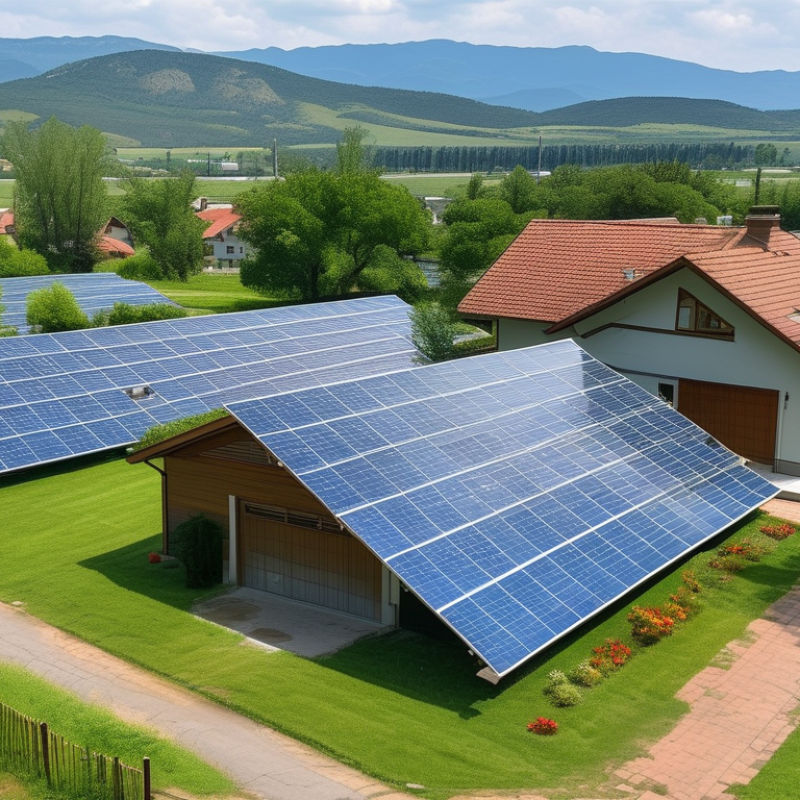
Next, evaluate your home’s roof. A suitable roof should be free from large trees that obstruct sunlight. A south-facing roof is ideal, although east and west can work too. According to the National Renewable Energy Laboratory, homes with a good solar exposure can reduce their energy bills by up to 50%.
Consider your local climate as well. Regions with more sunshine will yield higher energy production. However, homes in cloudy areas might not produce as much energy, raising questions about efficiency. It's also important to acknowledge that solar technology is evolving. Systems are improving, but not every installation guarantees maximum efficiency.
Solar energy is a clean and renewable source of power. Understanding its basics helps you decide if it's suitable for your home. Photovoltaic (PV) panels are the most common technology. They convert sunlight into electricity. Installation may require a significant upfront investment, but the savings can be substantial over time.
Consider your home’s energy needs and roof orientation. South-facing roofs receive the most sun, making them ideal for solar panels. Energy efficiency upgrades can also enhance solar benefits. It’s essential to evaluate local regulations too. Incentives and rebates may reduce costs and encourage solar adoption.
Some homeowners express concerns about aesthetics and space. Not every roof is a perfect fit for PV panels. Battery storage technology can be useful, but it can add to the cost. Explore these aspects thoroughly before making a decision. Being informed helps you navigate the complexities of going solar.
| Key Considerations | Details |
|---|---|
| Roof Orientation | South-facing roofs receive the most sunlight, ideal for solar energy generation. |
| Shade Issues | Nearby trees or buildings can block sunlight, reducing efficiency. |
| Electricity Usage | Analyze your electricity bills to determine potential savings. |
| Budget | Estimate installation costs and consider financing options. |
| Local Incentives | Check for state and federal rebates, tax credits, or grants for solar energy. |
| Installation Types | Consider rooftop, ground-mounted, or solar shingles based on your property. |
When considering solar energy for your home, evaluating costs versus savings is crucial. The initial investment can seem daunting. Solar panels and installation may require thousands upfront. Yet, many homeowners find long-term savings to be significant. Energy bills can drop dramatically after installation. Over time, these savings can offset those initial costs.
Not every home is suitable for solar. Factors like location, roof orientation, and sunlight exposure matter. If you live in an area with frequent shade, solar might not be effective. It's necessary to analyze your local energy rates as well. In some regions, grid electricity is cheap. This might affect the financial viability of going solar.
Before making a decision, consider seeking expert advice. A professional can provide insights tailored to your specific situation. Analyze your energy use patterns too. This data helps you understand what size system you would need. Reflect on your financial goals. Are you looking to reduce your carbon footprint, or is saving money your main priority? Both factors will influence whether solar energy is right for you.
When considering solar energy for your home, analyzing your local climate and sun exposure is crucial. Regions with abundant sunshine typically yield higher energy outputs. According to the National Renewable Energy Laboratory (NREL), solar panels can generate approximately 1,500 to 2,000 kWh of electricity per year for every kilowatt installed. This data emphasizes the importance of location in determining potential energy savings.
Understanding your home's orientation and roof angle significantly impacts efficiency. South-facing roofs benefit the most, while shaded areas provide limited energy production. A report from the Solar Energy Industries Association indicates that homes with direct sun exposure for at least six hours a day maximize energy generation. Periods of winter clouds can reduce efficiency, which is vital to consider in less sunny climates.
When considering solar energy for your home, understanding incentives and financing options is essential. Many homeowners are unaware of the various programs available to help offset costs. Federal tax credits, state rebates, and local incentives can make solar installation more affordable. Research your local government’s renewable energy programs. They might offer significant reductions in installation costs.
Tips: Look for local workshops or webinars. These platforms often provide valuable insights into available incentives. Speaking with homeowners who have already gone solar can also offer practical advice.
Financing options are equally important. Many solar companies provide financing plans that allow for low, monthly payments. Some homeowners choose leases or Power Purchase Agreements (PPAs) for more flexibility. It’s crucial to read the terms and understand your commitment. Options can vary widely from one company to another, so shop around.
Tips: Review your energy bills before deciding. This analysis can help determine the best solar system size for your needs. Take your time in assessing contractor reviews and project feedback. Each decision made now affects your home's energy future.
: Solar energy is a clean, renewable power source generated from sunlight.
PV panels convert sunlight into electricity, providing an effective energy solution.
Evaluate your home’s energy needs, roof orientation, and local regulations first.
Yes, incentives and rebates can help reduce installation costs significantly.
Check for sun exposure, shading issues, and your roof's direction and angle.
While the initial investment is high, many see significant long-term savings.
Limited sun exposure reduces energy production, making solar less effective.
Yes, seeking professional advice can provide tailored insights for your situation.
Battery storage can enhance energy use but may increase overall costs.
Reflecting on whether you prioritize carbon reduction or savings will guide your choice.
When considering whether solar energy is suitable for your home, you may wonder, "How to know if solar is right for my home?" First, you should assess your home's energy needs, taking into account your consumption patterns and the potential for solar generation. Understanding the basics of solar energy and the technology options available will help you make an informed decision.
Next, evaluate the financial aspects, analyzing the cost versus the savings that solar installations can provide over time. It's also crucial to consider your local climate and how sun exposure affects solar efficiency in your area. Finally, exploring available incentives and financing options can further support your decision-making process, ensuring you weigh all factors before proceeding with a solar energy system.
