How Do China Top Solar Panels Reduce Electricity Bills?

Time:2026-11-26 Author:Madeline
0%

How do China’s top solar panels reduce electricity bills? The answer is not simply “more watts.” A well-designed system turns sunlight into electricity your home can use, reducing how much power you need to buy from the grid. Many leading Chinese-made panels combine efficient cell designs with large-scale manufacturing, but a familiar brand name alone cannot promise lower bills. Roof direction, shade, local electricity prices, and installation quality matter too.

International Energy Agency Executive Director Fatih Birol has described solar power as “the cheapest electricity in history.” That observation concerns generation costs; a household’s savings depend on its own system and utility rules. On a sunny afternoon, panels may run a refrigerator, air conditioner, or washing machine directly. Extra power may earn a bill credit where the local rate plan allows it. At night, the home usually draws electricity from the grid or a battery.

How does solar help with electricity bills when charges remain? It can cut energy purchases, but fixed fees and other charges may still appear. A shaded roof, undersized system, or low export credit can also weaken the payback. Small details matter. Before comparing panels, review twelve months of bills, check the roof’s usable area, and compare written quotes. The less glamorous truth is that the best panel is not always the one with the highest advertised output; it is the one that fits the home and its daily energy use. Be cautious with savings estimates, especially when they assume ideal sunlight or unchanged electricity rates.
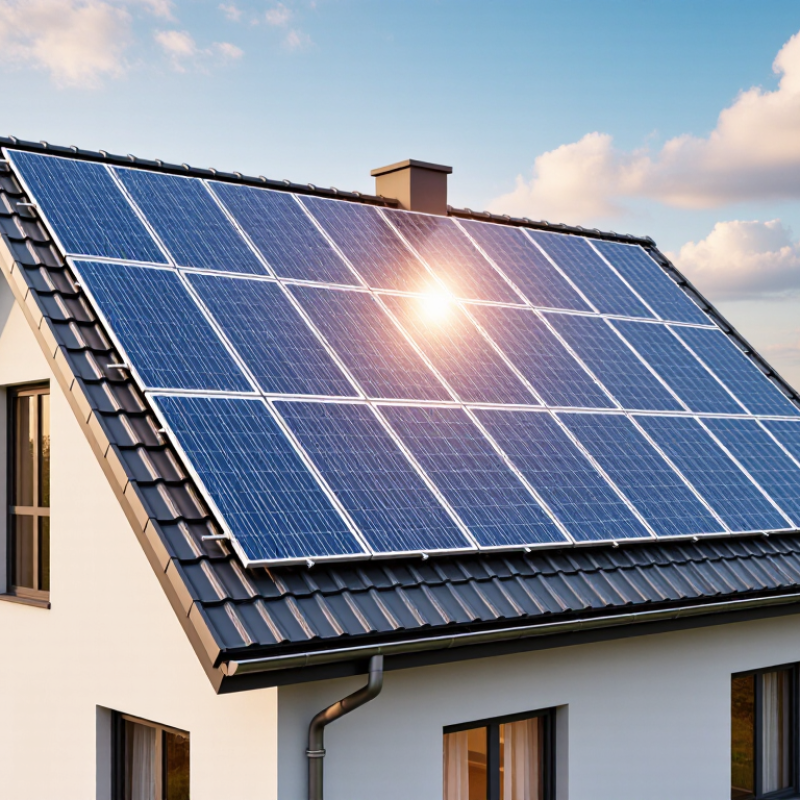
How Do China Top Solar Panels Reduce Electricity Bills?

How Solar Panels Convert Sunlight into Electricity

How Do China Top Solar Panels Reduce Electricity Bills?

How Solar Panels Convert Sunlight into Electricity

A solar panel begins working when sunlight reaches its photovoltaic cells. These cells are made from semiconductor materials, commonly silicon. Light does the work. Incoming photons transfer energy to electrons, allowing them to move through the cell and create direct-current electricity. Metal contacts collect that current and carry it through wiring.

Homes and most appliances use alternating current, so an inverter changes the panel’s direct current into usable AC power. A household meter can then record how much electricity comes from the panels and how much is drawn from the grid. On a clear afternoon, panels may cover daytime needs; evening cooking and lighting often require grid power or stored energy.

Actual output varies. Shade from a chimney, dust on the glass, high temperatures, and the roof’s angle can all reduce generation. Small losses matter. Even a well-made panel cannot produce the same amount every day, and a larger system does not automatically mean a lower bill. The practical benefit depends on when a home uses electricity, local utility rules, and how accurately the system is sized. It is worth checking a year of bills before estimating savings. I would not treat any online production estimate as a promise.

How Panel Efficiency Affects Power Generation

Panel efficiency measures how much sunlight a panel converts into electricity under standard test conditions. For the same roof area, a 22% efficient panel can produce about 10% more rated power than a 20% efficient panel. That difference matters when roof space is limited. More energy can mean fewer kilowatt-hours purchased from the grid, though actual bill savings depend on your utility rates and how much power your household uses.

Real roofs are less tidy than test conditions. Heat, shade from a chimney, dust, and panel direction can all reduce output. A small shaded patch may affect more than one panel, depending on the system design. Ask for estimates based on your roof’s orientation, local sunlight, and expected system losses—not just the efficiency figure on a specification sheet. Efficiency helps, but it does not predict your bill by itself. A neat estimate can still miss seasonal shade; checking the roof at different times of day is worthwhile.

Tips:

  • Compare expected annual kilowatt-hours for the full system, not efficiency alone.
  • Check shading around midday.
  • Leave room for a little uncertainty in production estimates.

How Inverters and Home Systems Use Solar Power

Solar panels produce direct-current electricity, but most home appliances use alternating current. An inverter converts the panels’ output into power that household circuits can use. Its performance depends on system design, temperature, and changing sunlight, not just the panel’s rated capacity.

On a bright afternoon, a home may use solar power for a refrigerator, lights, and a running washing machine. If production exceeds demand, a grid-connected system can send eligible surplus electricity to the utility network, depending on local arrangements. A battery-equipped system can store some excess for later, such as after sunset. Not magic. Storage has costs and conversion losses, so its value depends on when the household uses electricity.

Some inverters manage panels individually, while others handle several panels as a group. That difference can affect output when a chimney or tree shades part of the roof. Home monitoring tools show generation and consumption, often in short time intervals. Useful, but not perfect. Readings may not explain every dip, and a single cloudy day is not enough to judge a system. Installers should assess roof orientation, household usage, and inverter sizing before recommending equipment. A well-matched setup can reduce purchased electricity, though actual savings vary with weather, tariffs, and daily habits.

How Self-Consumption and Grid Exports Affect Bills

How Do China Top Solar Panels Reduce Electricity Bills?
How Self-Consumption and Grid Exports Affect Bills

Solar panels reduce bills most directly when your home uses their electricity as it is generated. This is called self-consumption. A washing machine running at noon, for example, can use rooftop power instead of drawing the same amount from the grid. The benefit depends on local electricity rates and your household’s usage patterns. Timing matters.

Extra electricity can flow back to the grid. Whether that export meaningfully lowers your bill depends on the local credit rate and billing rules. In some arrangements, exported power earns less than the price of electricity you buy later. So a home that exports heavily at midday may still pay for evening use. Check your utility bill and connection terms before estimating savings.

A timer can shift flexible tasks, such as laundry or water heating, into sunny hours. A battery may store surplus energy for evening use, but its cost and efficiency affect the overall value. Not every sunny day produces useful savings. Seasonal output, shading, and changing routines all matter. Estimates are never perfect; compare actual bills across several months, rather than relying on one ideal day.

What Factors Determine Household Savings

Household savings depend on more than a panel’s advertised output. A system can produce plenty of electricity at noon, yet save less if the home uses most power after sunset. The value of each kilowatt-hour also matters: compare your utility rates with the rate paid for electricity sent back to the grid. These rules vary by location and can change, so check a recent bill and local terms.

Roof direction, pitch, and shade shape real-world production. A chimney’s shadow across several panels may reduce output, while a clean, unobstructed roof usually performs more predictably. Household habits count too. Running a dishwasher or charging an electric vehicle during sunny hours can use more solar power directly. Battery storage may shift some energy into evening hours, but its upfront cost can reduce the payback. It is not an automatic win.

Estimate savings using a full year of electricity use, not one sunny month. Ask for assumptions on system size, expected output, maintenance, and future utility prices. Those projections are estimates, not promises. I would also test a lower-production scenario; cloudier weather or new nearby shade can make a neat spreadsheet look overly confident. Actual savings will depend on the home’s specific conditions.

How Do China Top Solar Panels Reduce Electricity Bills? - What Factors Determine Household Savings

Solar panels reduce electricity bills by supplying part of a home’s electricity directly. Any surplus may be exported to the grid, where compensation depends on the local export tariff. The estimates below are illustrative, not guaranteed; actual tariffs, solar yield, and billing rules vary by location and time.

Factor or scenario Illustrative input Estimated annual bill reduction Why it matters
Reference household 5 kW system; 1,200 kWh per kW annual yield; 6,000 kWh household use; 50% of solar generation used in the home; retail rate ¥0.65/kWh; export rate ¥0.35/kWh ¥3,000 This is the baseline example used for the sensitivity estimates below.
Annual solar yield: lower 1,000 kWh per kW; 5,000 kWh total generation; 50% used in the home ¥2,500 Less sunlight, shading, dust, or an unsuitable roof orientation can reduce generation.
Annual solar yield: higher 1,400 kWh per kW; 7,000 kWh total generation; 50% used in the home ¥3,500 More annual generation can increase savings when the home can use or export the output.
Self-consumption: lower 30% of 6,000 kWh generation used in the home; 70% exported ¥2,640 Savings fall when more electricity is exported at a lower rate than the retail price.
Self-consumption: higher 70% of 6,000 kWh generation used in the home; 30% exported ¥3,360 Running appliances during sunny hours or using suitable energy storage can raise direct use.
Retail electricity rate: lower ¥0.50/kWh; 3,000 kWh used at home and 3,000 kWh exported ¥2,550 Each self-consumed solar unit avoids buying electricity at the applicable household rate.
Retail electricity rate: higher ¥0.80/kWh; 3,000 kWh used at home and 3,000 kWh exported ¥3,450 Higher avoided purchase prices increase the value of electricity used directly by the household.
Export rate: lower ¥0.20/kWh; 3,000 kWh used at home and 3,000 kWh exported ¥2,550 A lower compensation rate reduces the value of surplus generation sent to the grid.
Export rate: higher ¥0.45/kWh; 3,000 kWh used at home and 3,000 kWh exported ¥3,300 A higher local export rate improves the credit earned for unused solar electricity.

Calculation: annual bill reduction = (solar electricity used in the home × retail electricity rate) + (surplus electricity exported × export rate). Estimates exclude system purchase and installation costs, financing, maintenance, taxes, fixed bill charges, and changes in tariffs.

FAQS

How do solar panels turn sunlight into electricity?

Photovoltaic cells absorb sunlight and release electrons. Their movement creates direct-current electricity.

Why does a home need an inverter?

Most household appliances use alternating current. An inverter converts the panels’ direct current into usable power.

When can solar panels reduce household electricity use?

They help most when the home uses power while the panels are generating it. Timing matters.

Can running appliances during sunny hours improve savings?

Yes. Running a washing machine around noon can use rooftop electricity instead of grid power.

What happens to extra electricity the home does not use?

It may flow back to the grid. The credit depends on local rates and billing rules.

Will exported electricity always cover evening use?

No. Midday exports may earn less than the cost of evening electricity. Check your utility terms.

What can reduce a solar panel’s output?

Chimney shade, dusty glass, high temperatures, and roof angle can lower generation. Small losses matter.

Does a larger system always mean a smaller bill?

No. Savings depend on system size, household habits, and local rules. I may be oversimplifying the timing issue.

How can a household estimate likely savings?

Compare a year of electricity bills and review several months of actual results. Online estimates are not promises.

Conclusion

Solar panels reduce electricity bills by converting sunlight into direct-current electricity through photovoltaic cells. Panel efficiency affects how much power a system can generate from the available sunlight, while roof orientation, shading, weather, and system size also influence daily production. An inverter converts the panels’ electricity into alternating current that household appliances can use, helping a home draw less power from the grid when solar energy is available.

How does solar help with electricity bills? Savings depend largely on how much generated power a household uses directly and how much is sent back to the grid. Using appliances during sunny hours can increase self-consumption and reduce the need to buy electricity. Any exported surplus may receive a credit or payment, depending on local arrangements. Household savings therefore vary with electricity rates, solar output, energy-use habits, system costs, and applicable export terms.

Madeline

Madeline

Madeline is a dedicated marketing professional with a wealth of expertise in our company's core offerings. With a keen understanding of the industry, she brings a unique perspective to her role, consistently delivering high-quality content that highlights the superior aspects of our products. As......