The shift towards renewable energy sources has become more pronounced in recent years. Among these, solar power stands out as a leading option. Why is solar power becoming more popular? Several factors contribute to this trend.
One major reason is the increasing awareness of climate change. People understand the need for cleaner energy. Solar power offers a sustainable solution. It reduces greenhouse gas emissions and has a lower environmental impact compared to fossil fuels. Another factor is technological advancement. Innovations in solar panels make them more efficient and affordable. Additionally, governments worldwide introduce incentives to promote solar energy adoption. These programs make solar installations financially feasible for many.
Yet, challenges remain. Some people still doubt the reliability of solar power. Initial installation costs can be high for certain households. Moreover, the energy output is weather-dependent. These factors require careful consideration. Despite these imperfections, the overall growth in solar power adoption reflects a significant shift in attitudes towards sustainable energy solutions.
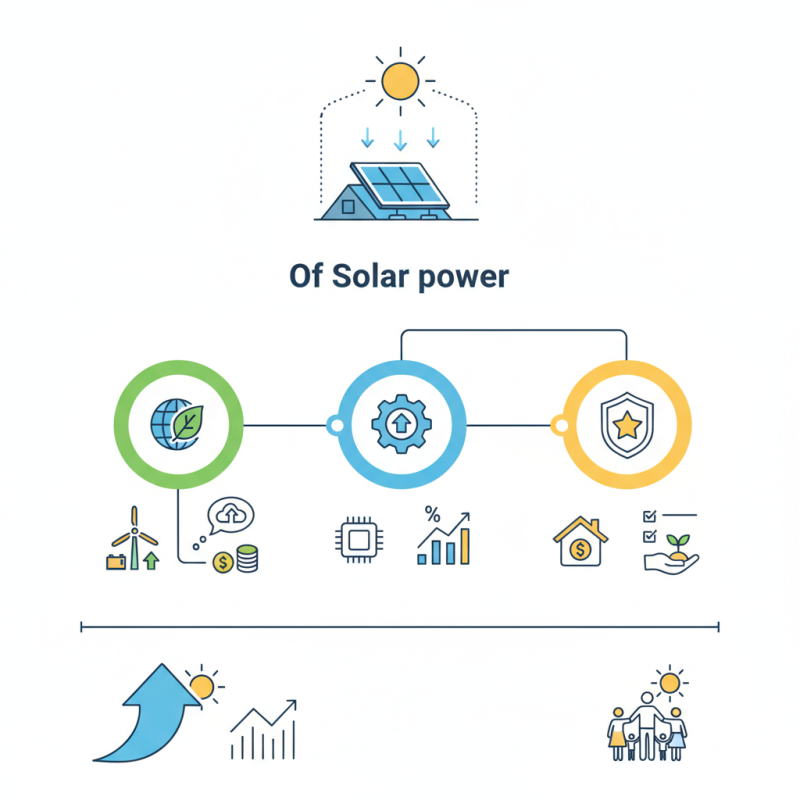
Global Increase in Solar Power Adoption: An Overview
The global increase in solar power adoption is impressive. In 2022, solar energy accounted for over 10% of the world's electricity generation. This number continues to rise, largely due to declining costs. According to the International Renewable Energy Agency (IRENA), the average global cost of solar energy fell by 89% from 2010 to 2020. This trend makes solar power more accessible.
Countries are also setting ambitious targets for renewable energy. As of 2023, more than 100 nations aim to achieve net-zero emissions by 2050. This commitment drives further investment in solar technologies. In fact, the U.S. Energy Information Administration (EIA) projects that solar power will grow faster than any other renewable source through 2025.
Despite these advancements, challenges remain. The need for energy storage solutions is critical. As solar energy generation depends on sunlight, it can be inconsistent. Additionally, grid infrastructure must evolve to support greater solar adoption. These factors require ongoing innovation and investment. The path forward is complex, but the momentum for solar energy is undeniable.
Technological Advancements Driving Solar Energy Efficiency
The rise of solar power is a testament to the innovative strides in technology. Improved efficiency is at the heart of this solar revolution. Advances in photovoltaic materials are making it possible to capture more sunlight. New technologies allow for better energy conversion rates. This means more power from less space each day.
Tips: Consider installing solar panels on your rooftop. This not only saves money but also maximizes efficiency. Regular maintenance checks can enhance performance significantly.
The growth of energy storage solutions has also played a vital role. Innovations in battery technology allow homeowners and businesses to store excess energy. This reduces reliance on the grid during peak hours. However, the initial investment can be daunting for some. Researching local incentives can provide financial relief.
Tips: Look into community solar programs if individual installation is not an option. This can be an affordable way to enjoy solar benefits. Always consult expert advice to ensure optimal system design for your needs.
Economic Factors Contributing to the Rise of Solar Power
The surge in solar power adoption can be largely attributed to economic factors. According to a report from the International Energy Agency (IEA), the cost of solar panels has decreased by nearly 90% since 2010. This drop in price makes solar energy accessible to more households and businesses. As of 2023, solar energy accounts for nearly 10% of global electricity generation, a significant increase from just 1% a decade ago.
Financial incentives also play a critical role in this trend. Many governments worldwide offer tax credits, rebates, or feed-in tariffs to promote solar energy. For example, in 2022, a report by the Solar Energy Industries Association highlighted that in the United States alone, solar job growth has outpaced most sectors, with over 250,000 workers employed in the solar industry. However, challenges still exist, such as the initial costs of installation and the need for adequate training in the workforce.
Investment in solar technology continues to rise, projected to reach $3 trillion by 2030, according to Bloomberg New Energy Finance. The growth in demand for renewable energy sources reflects a shift in consumer priorities. Many people seek sustainable solutions to combat climate change. Nonetheless, concerns about solar panel waste and recycling remain, pushing for more innovations in green technology. This dual focus on sustainability and economic viability is essential for the future of solar energy.
Environmental Benefits of Solar Energy Compared to Traditional Sources
The environmental benefits of solar energy are becoming increasingly apparent in today's world. Unlike traditional fossil fuels, solar power generates electricity without releasing harmful pollutants. This reduction in greenhouse gases can significantly improve air quality. Many cities have experienced decreased smog and respiratory illnesses due to the increased use of solar energy.
Solar panels harness sunlight effectively and convert it into clean energy. This process requires no water, unlike coal or natural gas facilities, which consume vast amounts of resources. As a result, solar energy helps conserve water supplies in drought-prone areas. Furthermore, solar installations can be placed on rooftops, reducing the need for land use, which is often a point of contention with other energy sources.
Yet, solar energy is not without its challenges. Production of solar panels involves some toxic materials and energy-intensive processes. Moreover, solar power relies on sunlight, which means it’s less efficient during cloudy days or at night. This intermittency can create dependency on backup systems. Despite these drawbacks, the overall environmental advantages of solar power significantly outweigh its limitations, pushing it toward global acceptance.
Government Policies and Incentives Supporting Solar Power Growth
Government policies play a crucial role in the rapid growth of solar power worldwide. Countries recognize the need for cleaner energy sources. They have implemented various incentives to encourage solar energy adoption. Tax breaks, rebates, and grants are common tools. These financial incentives lower the upfront costs for consumers. People are more willing to invest in solar technology.
Tips: Research local solar incentives. Each country or region may offer different support. Look into eligibility requirements. Sometimes, incentives can cover a significant portion of installation costs.
Regulatory support also contributes to solar power growth. Governments create frameworks that make installation easier. Streamlined permitting processes help reduce delays. In some places, net metering policies allow homeowners to sell excess energy back to the grid. This approach makes solar energy more appealing financially.
Tips: Check the rules in your area about net metering. Understanding these aspects can lead to better financial decisions. Awareness of local and national policies is vital for potential solar users. It’s essential to stay informed and be proactive.
Growth of Solar Power Adoption Worldwide (2020-2023)
The chart above displays the global solar power capacity from 2020 to 2023. The continuous increase reflects the growing popularity of solar energy, fueled by supportive government policies, incentives, and advancements in technology.
Conclusion
The rising trend of solar power adoption worldwide can be attributed to several key factors that collectively address the question: "Why is solar power becoming more popular?" Firstly, technological advancements have significantly enhanced solar energy efficiency, making it a more viable option for both residential and commercial use.
Additionally, economic factors play a crucial role, as decreasing costs of solar panels and associated technologies have made solar energy more accessible and attractive to consumers. Environmental benefits, such as reduced greenhouse gas emissions and lower carbon footprints compared to traditional energy sources, further underscore the appeal of solar power. Moreover, supportive government policies and incentives have been instrumental in promoting solar energy growth, encouraging investments and driving further adoption across various regions.
 Wing Solar
