 Wing Solar
Wing Solar
Wing Solar
Solar energy systems are increasingly popular. However, many users encounter issues that hinder their performance. You may wonder, "Why do solar systems stop working properly?" This question is common among homeowners and businesses alike. Understanding the root causes can help you maintain efficient systems and maximize your investment.
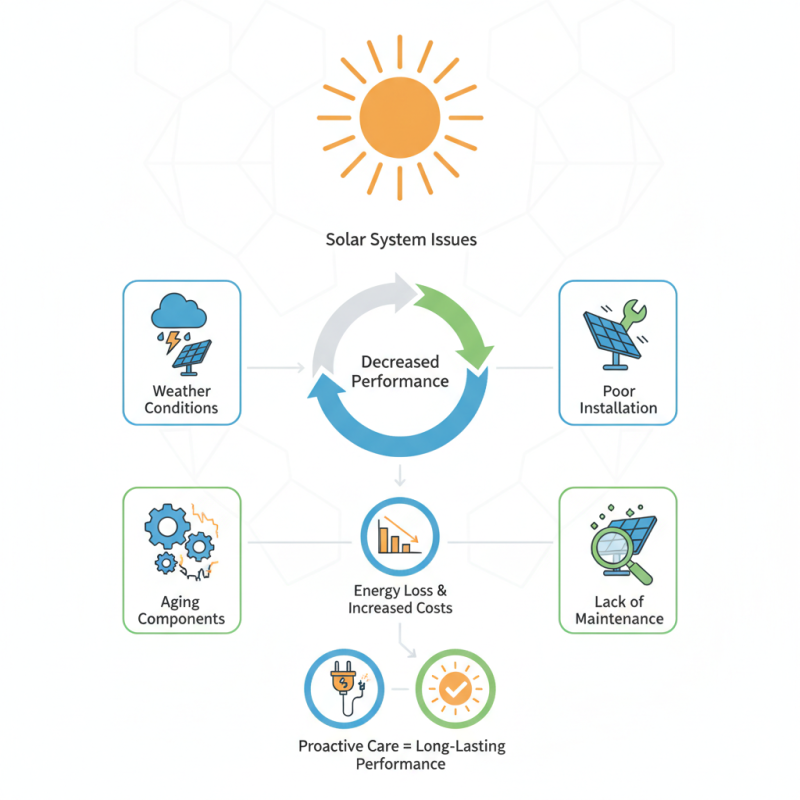
Many factors contribute to solar system failures. Weather conditions, poor installation, and aging components are common culprits. For instance, severe storms can damage panels, while subpar installations may lead to energy loss. Regular maintenance is essential to avoid such pitfalls. Lack of attention can result in decreased energy output and increased costs.
Identifying problems early can save you from costly repairs. Many users overlook minor issues until they escalate. Regular checks on system components can help catch these problems. It's essential to acknowledge that solar systems require care and attention. By being proactive, you can ensure long-lasting, effective performance, ultimately answering the question, "Why do solar systems stop working properly?
Solar systems can fail for several reasons. Understanding these common issues can help in diagnosing problems. One frequent culprit is shading. Trees or buildings can block sunlight, reducing energy output. Regular maintenance of surrounding areas is crucial to prevent this issue.
Another major factor is dirt accumulation. Dust, debris, and bird droppings can cover panels, diminishing efficiency. Cleaning the panels periodically can greatly enhance performance. It’s essential to consider the local environment and adjust cleaning schedules accordingly.
A faulty inverter is another common reason for system malfunctions. Inverters convert solar energy into usable electricity. When they fail, the whole system can halt. Regular inspections can catch early signs of trouble. Keeping track of system performance data can reveal patterns that indicate a failing component. Addressing these issues promptly can prolong the system's life and maintain efficiency.
| Issue | Description | Potential Solutions | Frequency |
|---|---|---|---|
| Inverter Failure | The inverter converts solar energy into usable electricity. Failure can halt system performance. | Check for error codes, reset inverter, or replace if necessary. | Common |
| Panel Soiling | Dirt, dust, or debris on panels can significantly reduce efficiency. | Regularly clean panels or schedule maintenance. | Frequent |
| Shading | Objects casting shadows on panels can block sunlight, decreasing output. | Trim nearby trees or relocate panels if possible. | Occasional |
| Wiring Issues | Damaged or corroded wiring can interrupt the flow of electricity. | Inspect and repair wiring connections; replace damaged wires. | Moderate |
| Battery Issues | For systems with batteries, aging or failed batteries can cause power loss. | Test battery performance and replace if necessary. | Occasional |
: Evaluating components helps identify faults that can cause inefficiencies and performance drops.
Inverters may overheat or shut down unexpectedly due to poor ventilation or installation errors.
Regularly check the system's output. Significant decreases may indicate underlying electrical issues.
Inspect connections for corrosion. Corroded terminals can contribute to energy inefficiencies.
Frequent tripping may signal overload, often caused by too many appliances drawing power simultaneously.
Routine checks, cleaning panels, and monitoring performance every six months help maintain efficiency.
Maintenance can prevent premature failures and enhance the lifespan of solar panels, designed for 25 years.
Monitoring can identify faults 50% faster, allowing for timely fixes and preventing further damage.
Overgrown vegetation can cause shading, which reduces energy output. Proper management is essential.
Investigate potential causes like inverter failures or weather damage, and address these issues promptly.
Solar systems, despite their efficiency, can encounter various issues leading to reduced performance or complete malfunction. In the article titled "How to Fix Common Issues Why Do Solar Systems Stop Working?", key factors contributing to these problems are examined. Common reasons why solar systems stop working properly include environmental influences such as weather conditions and obstructions like dirt or debris on solar panels.
Moreover, physical damage to the panels and faults in electrical components can significantly impact overall efficiency. Regular inspections and maintenance are crucial for ensuring the longevity and effectiveness of solar systems. By identifying these common issues and adhering to best practices for monitoring, users can effectively manage their solar installations and minimize disruptions in performance.
