Wing Solar
The efficiency of solar power systems is a critical concern in the renewable energy industry. Understanding what affects solar power efficiency the most can lead to significant advancements in technology and implementation. According to a report by the International Energy Agency (IEA), solar energy deployment has surged, with a growth rate of over 20% annually in recent years. Yet, the average efficiency of solar panels hovers around 15-20%. This gap highlights the need for further investigation into procedural and environmental factors.
Expert Dr. Anna Williams, a leading researcher in renewable energy technologies, asserts, "The most impactful variables include temperature, sunlight intensity, and material quality." Her work emphasizes how these elements can drastically change energy conversion rates. For instance, high temperatures can lead to decreased efficiency, with some solar cells losing up to 20% of their output in extreme heat.
Moreover, shading from nearby structures can create unexpected performance drops. Each of these factors challenges the industry to innovate and adapt. As the push for sustainability intensifies, addressing these inefficiencies becomes increasingly vital. Balancing technological developments and practical installations will be crucial in maximizing solar energy's potential.
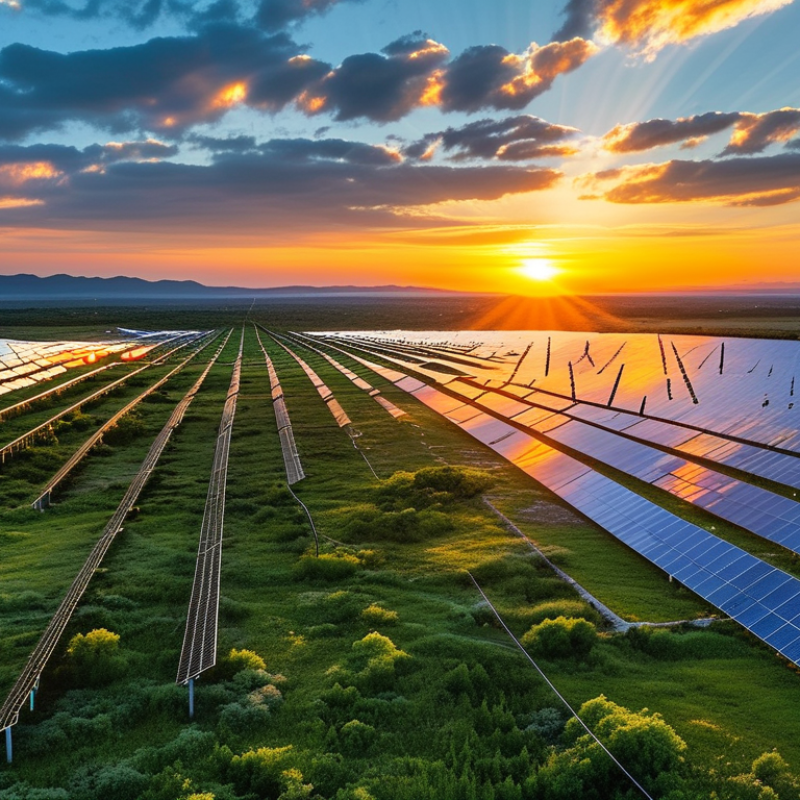
Solar power efficiency is significantly influenced by various environmental factors. One critical element is sunlight intensity. According to the National Renewable Energy Laboratory (NREL), solar panels generate about 20% more electricity in direct sunlight compared to shaded areas. Thus, the geographical location plays a vital role in optimizing energy output.
Temperature is another key factor. High temperatures can reduce the efficiency of solar panels. Research indicates that each degree Celsius increase can decrease efficiency by about 0.5%. This is particularly relevant in regions with extreme heat, where cooling solutions for panels become essential yet complex. Managing heat could significantly improve overall energy generation.
Cloud cover also impacts solar power. Regions with a high frequency of cloudy days will experience lower solar panel performance. Studies show that prolonged cloud cover can lead to a reduction of up to 50% in energy production compared to sunny days. This variability makes it crucial to consider local weather patterns in solar energy planning. Understanding these environmental factors can lead to more effective solar energy strategies and better resource management.
Solar panel technology plays a crucial role in determining energy efficiency. Recent studies show that photovoltaic (PV) cells can convert sunlight into electricity with varying rates. Monocrystalline panels are often touted for their higher efficiency, reaching levels of 20% to 22%. In contrast, thin-film technology shows lower performance, typically between 11% and 13%. This disparity illustrates the importance of material choice in achieving optimal energy conversion.
The performance of solar panels is also influenced by factors like temperature and shading. For instance, studies indicate that heat negatively impacts efficiency, reducing output by about 0.5% for every degree Celsius increase. Additionally, even partial shading can significantly drop performance, sometimes by over 70%. This highlights a critical point: not only is the type of technology essential, but the installation environment dramatically influences overall efficiency.
While advancements are continual, challenges remain. Many panels still struggle to perform adequately in low-light conditions. Reports indicate that the average efficiency loss in cloudy conditions can be between 40% to 60%. This gap underscores the need for ongoing research and innovation in solar technology. Understanding these limitations can guide both consumers and manufacturers toward better choices in optimizing solar power systems.
Solar irradiance is a critical factor in the efficiency of solar power systems. It measures the power of sunlight received per unit area. According to the National Renewable Energy Laboratory (NREL), optimal solar irradiance can improve energy generation by up to 30%. With higher irradiance, solar panels operate more efficiently, converting more sunlight into usable electricity.
Weather conditions can significantly impact solar irradiance. For example, cloudy days can reduce solar output by 50% or more. Moreover, location plays a crucial role. Areas with higher sun exposure, like deserts, receive greater solar energy. Reports from the International Energy Agency (IEA) indicate that countries with optimal solar radiation can achieve greater energy independence.
Yet not all solar installations perform equally. Factors such as angle, tilt, and dust accumulation can hinder efficiency. Regular maintenance is essential to maximize output. Understanding these variables can lead to improved design and placement of solar panels, enhancing overall performance. Solar technology continually evolves, but challenges remain in fully capitalizing on solar irradiance.
Temperature plays a crucial role in the efficiency of solar panels. When the temperature rises, solar panel performance can decline. Most solar panels operate best at lower temperatures. Excess heat can lead to reduced energy output. This phenomenon is often overlooked by many users, yet it directly affects energy production.
High temperatures can increase the resistance in photovoltaic cells. As a result, the energy conversion rate drops. For instance, a solar panel may lose about 0.5% efficiency for every degree Celsius above 25°C. This is significant, especially in hotter climates. Users may not realize the importance of proper ventilation around panels. Adequate airflow can help maintain their optimal temperature.
Some may question how to address this issue. Installing panels on tilted surfaces can promote airflow. Shade from nearby structures may provide temporary relief but can reduce overall sunlight exposure. These considerations require careful planning. Monitoring temperature effects often helps users optimize their setups. Ultimately, understanding temperature influences can enhance solar energy harvest and improve investments.
The angle and orientation of solar panels are crucial for maximizing energy capture. Solar panels should ideally face true south in the Northern Hemisphere and true north in the Southern Hemisphere. This positioning ensures they receive the most direct sunlight throughout the day. A tilt angle that matches your latitude can also enhance efficiency. However, slight deviations might be necessary to account for seasonal changes in the sun's position.
When planning solar panel installation, consider these tips. First, use adjustable mounts if possible. This allows you to change the angle seasonally. Second, monitor shading from nearby trees or buildings. Even small obstructions can significantly reduce energy output. Third, ensure the installation is clean. Dirt and debris can block sunlight and lower efficiency.
While these strategies can lead to better performance, remember that conditions can vary greatly. Weather patterns, geographic location, and panel technology all play roles in efficiency. It's essential to regularly check the system's performance and make adjustments as needed. Even with the best setup, performance isn't guaranteed year-round. Frequent evaluation can help optimize the use of solar power for your needs.
: Solar irradiance measures the power of sunlight received per unit area. It significantly affects solar energy efficiency.
Optimal solar irradiance can boost energy generation by up to 30%. Higher irradiance means better performance from solar panels.
Cloudy days can reduce solar output by 50% or more. Location also matters, as some areas receive more sunlight.
Factors include angle, tilt, dust accumulation, and temperature. These elements can hinder the efficiency of solar installations.
High temperatures can decrease solar panel efficiency. They may lose about 0.5% efficiency for every degree Celsius above 25°C.
Ensure proper ventilation around panels to maintain optimal temperatures. Installing panels on tilted surfaces promotes better airflow.
Panels should face true south in the Northern Hemisphere. The tilt should match your latitude for enhanced efficiency.
Shading from trees or buildings can significantly reduce energy output. Even small obstructions can impact performance.
Regular cleaning and performance checks help maximize output. Conditions can vary, so adjustments may be necessary over time.
While solar technology evolves, challenges remain in fully harnessing solar irradiance. Understanding these factors is crucial for improvement.
Solar power efficiency is influenced by several key factors, and understanding what affects solar power efficiency the most can significantly impact energy generation outcomes. Environmental elements such as solar irradiance, temperature, and geographical location all play crucial roles. High solar irradiance levels enhance energy production, while elevated temperatures can adversely affect solar panel performance, leading to decreased efficiency.
Additionally, the technology used in solar panels is vital, with advancements leading to improved efficiency levels. The angle and orientation of solar panels also matter, as proper positioning can maximize energy capture throughout the day. By addressing these factors, solar energy systems can be optimized to achieve their full potential, thereby increasing their effectiveness in harnessing renewable energy.
