Wing Solar
Solar energy is becoming more popular. Many are investing in solar systems for various reasons. However, people often overlook a critical aspect: maintenance. Why do solar systems need maintenance? Regular upkeep is essential for optimal performance and efficiency. Neglected systems can lead to decreased energy production, which affects overall savings.
Without proper maintenance, solar panels can accumulate dirt, dust, and debris. This accumulation reduces sunlight absorption and efficiency. In addition, weather conditions can cause wear and tear over time. Regular inspections can identify potential issues before they escalate. Prioritizing maintenance ensures maximum energy output and cost-effectiveness.
Investing in solar technology is significant. Yet, investing in maintenance is equally vital. An unmaintained system may cost more in repairs later. Therefore, understanding the importance of maintenance can lead to better energy management and performance.
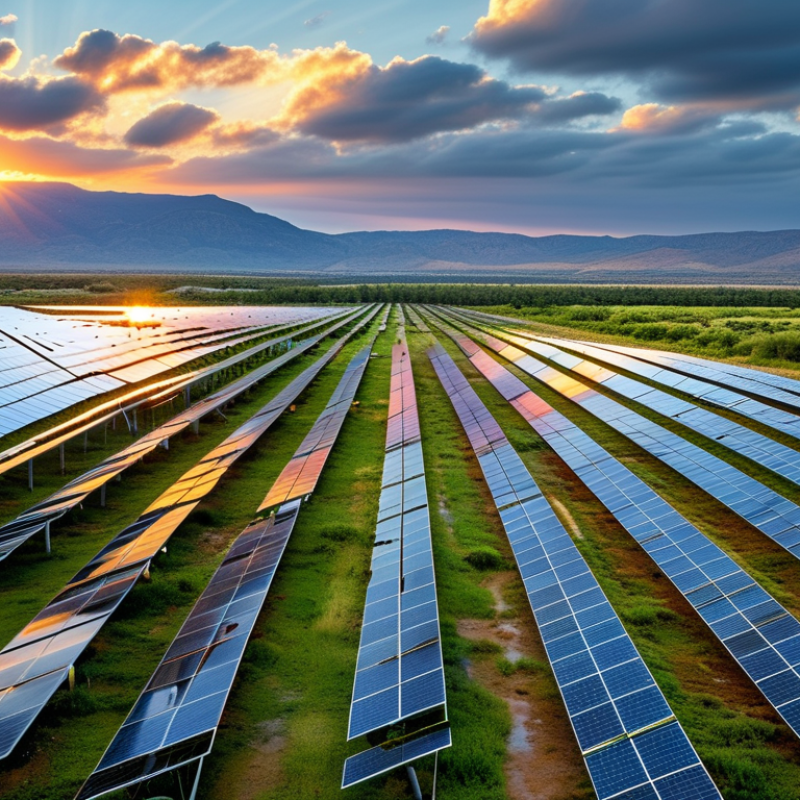
Regular inspections are crucial for the maintenance of solar systems. Industry data suggests that neglecting these routine checks can lead to a significant decrease in energy output—up to 25%. Issues like dust buildup or equipment wear can go unnoticed without proper oversight, hindering efficiency. In fact, a study by the National Renewable Energy Laboratory shows that systems not regularly maintained produce 15% less energy than optimized counterparts.
Proper inspections help identify problems early. Routine checks can prolong system lifespan and protect your investment. This is especially important in ensuring safety. Faulty wiring or connectors pose risks that may lead to costly repairs or, worse, fire hazards. The Solar Energy Industries Association recommends inspections every six months to ensure optimal performance.
Keep in mind some simple practices. Regularly clean your solar panels to avoid dirt accumulation. Monitor your energy bills for unusual spikes, which may signal system issues. Lastly, consider documenting your inspections. This record can be invaluable for diagnosing future problems and maintaining system health. Regular maintenance is not just a best practice; it’s essential for efficiency and safety.
Cleanliness plays a crucial role in maintaining solar panel efficiency. Dust, dirt, and debris can accumulate on the surface of the panels. This accumulation blocks sunlight and reduces energy output. Even a thin layer of grime can cause a significant dip in performance. Regular cleaning ensures that panels receive maximum sunlight exposure.
Weather conditions also affect cleanliness. Rain can wash away some dirt, but it might leave residues that build up over time. In dry areas, dust storms can coat panels rapidly. Ignoring this can lead to a decline in energy generation. Research shows that unclean panels may lose up to 25% of their efficiency.
Professional cleaning services can offer expertise in maintaining solar systems. However, some property owners may choose DIY methods. While this can save costs, mistakes could lead to scratches or damage. Reflecting on the effectiveness of cleaning methods is essential. Ensuring solar panels remain clean is not just beneficial; it is essential for maximizing energy production.
Routine maintenance of solar systems is vital for sustained efficiency. According to the National Renewable Energy Laboratory, neglect can reduce energy output by up to 20%. Common issues arise from dirt accumulation on panels, affecting sunlight absorption. In dusty areas, solar panels can lose around 25% of their efficiency. Regular cleaning ensures maximum performance and reduces the risk of long-term damage.
Another frequent problem is inverter failure. Studies show that up to 80% of solar system issues are related to the inverter. Inverters can overheat due to environmental factors, leading to interruptions in energy conversion. Annual inspections by qualified professionals can identify such issues early. This proactive approach helps in avoiding costly repairs and optimizing energy production.
Battery maintenance is often overlooked as well. The degradation of batteries can impact energy storage capacity. It's essential to check battery connections and electrolyte levels regularly. Research indicates that proper battery maintenance can extend lifespan by 20-30%. Regular maintenance not only enhances performance but also ensures the system operates reliably.
Preventative maintenance strategies are crucial for optimizing solar system performance. Industry reports suggest that regular maintenance can improve energy output by up to 25%. This increase is linked to routine inspections and prompt repairs. Inadequate maintenance can lead to equipment degradation, resulting in reduced efficiency. Over time, even small issues can snowball into significant problems that require costly fixes.
The financial impacts of neglecting maintenance are notable. A report from the National Renewable Energy Laboratory estimates that preventative maintenance can save solar facility operators up to 20% on operational costs annually. By investing in timely servicing, solar systems can run at peak performance and longevity. Additionally, by proactively addressing issues, facilities can avoid unplanned outages.
However, many operators underestimate the importance of consistent maintenance. Some may postpone minor repairs, thinking they are non-essential. This mindset can lead to larger, more expensive problems down the line. Understanding the cost-effectiveness of preventive strategies is key for long-term sustainability in the solar energy sector. Investing in routine maintenance creates value, ensuring systems remain efficient and reliable.
Regular maintenance of solar systems is crucial for maximizing their efficiency. Studies indicate that a well-maintained solar system can produce up to 20% more energy. This improvement stems from addressing issues like dirt buildup on panels and ensuring proper alignment. A clean panel absorbs sunlight better, directly boosting energy output.
Frequent checks on system components also prolong the lifespan of the entire installation. On average, solar panels last about 25 years. However, without maintenance, this lifespan may decrease significantly. A report from the National Renewable Energy Laboratory shows that neglect can lead to significant losses. Even minor issues, if left unchecked, can escalate into costly repairs.
Implementing a routine maintenance schedule can save long-term expenses. For instance, replacing a malfunctioning inverter early can avoid energy losses that approach 30%. Plus, regular inspections often reveal opportunities for enhancements, optimizing overall performance. By investing time in upkeep, owners can ensure that their systems function efficiently, supporting both energy independence and environmental sustainability.
: Cleanliness ensures maximum sunlight exposure. Dust and debris block light, reducing energy output significantly.
Unclean panels may lose up to 25% of their efficiency. Even a thin layer of grime can have a big impact.
Rain may wash away dirt but leave residues. In dry areas, dust storms can quickly coat panels.
DIY cleaning can save money but may cause scratches or damage. Reflecting on cleaning methods is essential.
Regular maintenance can boost energy production by up to 20%. It addresses dirt buildup and ensures proper alignment.
Solar panels last about 25 years. Without maintenance, this lifespan can significantly decrease.
Minor issues can escalate into costly repairs. Neglect might lead to significant losses over time.
Regular checks prevent energy losses. Early repairs, like replacing inverters, can avoid costly energy decreases.
A maintenance schedule ensures efficient system functioning. It supports energy independence and environmental sustainability.
Owners must reflect on cleaning effectiveness. Proper upkeep is crucial for maximizing energy production and efficiency.
Regular maintenance is crucial for the efficiency of solar systems, answering the question, "Why do solar systems need maintenance?". It begins with the importance of conducting regular inspections to identify potential issues before they escalate. Cleanliness also plays a significant role, as dirt and debris can significantly reduce solar panel efficiency, leading to lower energy production.
Common issues such as wiring problems, inverter malfunctions, and physical damage require routine attention to ensure optimal performance. Additionally, investing in preventative maintenance strategies is cost-effective, helping to avoid expensive repairs down the line. Ultimately, proper upkeep of a solar system not only enhances immediate efficiency but also offers long-term benefits by extending the lifespan of the system and maximizing its financial returns.
