When it rains, many people wonder, "What happens to solar power when it rains?" According to Dr. Emily Chen, a solar energy expert at the Solar Energy Institute, "Rain can actually clean solar panels, improving their efficiency." While solar panels may generate less power during rainy weather, they are still operational.
Cloudy skies and rain reduce sunlight intensity. However, solar panels can still convert diffuse light into energy. Many solar systems perform better than expected in less-than-perfect conditions. In fact, precipitation can lead to a quicker return on investment by maintaining optimal panel performance.
It's essential to understand that rainy weather affects energy output but does not halt it entirely. Some panels may produce 10-30% of their normal output. During these periods, monitoring energy needs becomes critical. Homeowners should be aware of fluctuations and plan accordingly. Reflecting on this, many solar users realize they must adapt to nature's unpredictability.
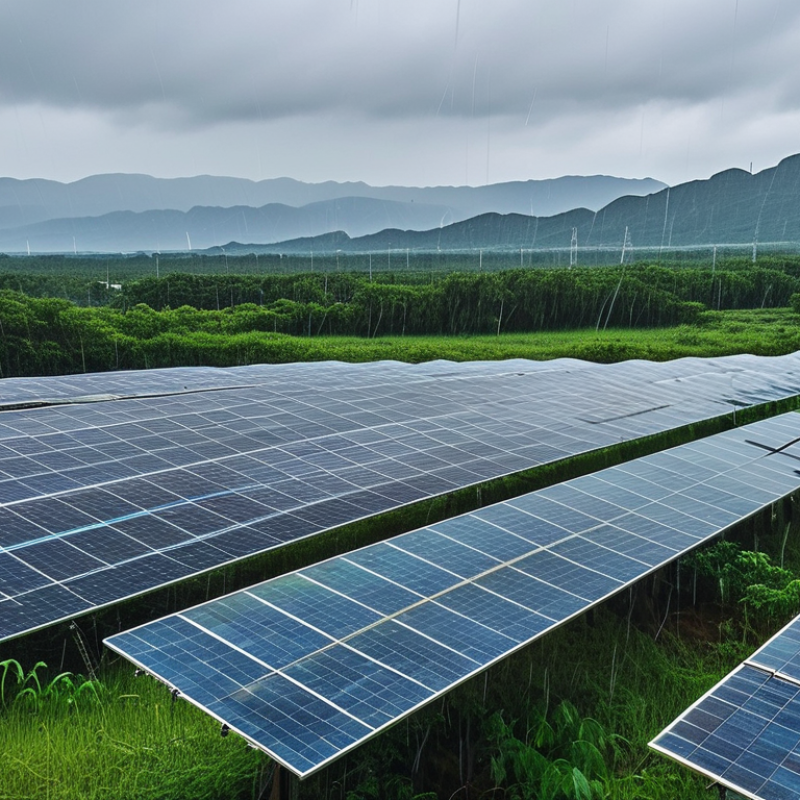
Understanding Solar Power Efficiency in Rainy Weather Conditions
Rainy weather can impact solar power efficiency. Solar panels rely on sunlight to generate electricity. During cloudy and rainy days, their energy output decreases. However, it’s essential to understand how much this really affects overall performance.
Even in rainy weather, solar panels can still operate effectively. They can harness indirect sunlight and diffuse light. In fact, some studies suggest that solar panels can perform better when cooled by rain. This cooling effect can help maintain optimal temperatures for electricity production. However, dirt and grime on panels can accumulate during rainy spells. Regular cleaning is necessary to maintain efficiency.
Rainy days are not complete losses for solar energy. The combined effects of light diffusion and cooling can still yield power. Yet, the variability in output can raise questions about reliability. Many users need to consider integrating storage solutions or alternative energy sources during these times. Understanding such dynamics is crucial for optimizing solar power systems.
Impact of Rain on Solar Panel Output and Performance Metrics
Rainy weather can influence the output of solar panels significantly. While the common belief is that rain diminishes energy production, it might actually help improve efficiency. Rain clears dust and debris from solar panels, enabling better light absorption when the sun returns. However, cloudy conditions reduce sunlight availability during prolonged rain spells.
Solar panels can still generate electricity, albeit at a reduced capacity. Performance metrics may drop to around 20% to 50% of their peak output on gloomy days. This varies based on the angle and the intensity of the rainfall. In such situations, ensuring regular maintenance can help.
Keep an eye on the tilt angle of your solar panels. A steeper angle allows rain to wash away dirt more effectively. Regular cleaning, especially before rainy seasons, can optimize performance. Monitor your output daily. Noting trends can help you understand how much rain affects your energy production.
Statistical Analysis of Solar Energy Generation During Rainfall Events
Rainy weather undoubtedly affects solar power generation. During a rainfall event, clouds obscure sunlight. This can lead to a noticeable drop in energy production. A statistical analysis of solar energy generation reveals that energy output decreases significantly during heavy rain. Although solar panels can still generate electricity in these conditions, efficiency suffers greatly.
Moreover, the amount of rainfall impacts performance. Light drizzle may only cause a slight reduction. Conversely, heavy downpours can cut output by half or more. Data from various regions demonstrate this variability. Interestingly, some studies highlight a paradox; rainfall can clean solar panels and enhance their efficiency when the sun returns. This effect counters the immediate drawbacks of cloudy skies.
Understanding these dynamics is key for solar energy stakeholders. Accurately assessing energy generation in varying conditions helps in planning and maintaining energy systems. Yet, reliance solely on sunny days may lead to inefficiencies. A comprehensive analysis brings clarity to the challenges posed by weather variability. Embracing these complexities can lead to better solutions for enhancing solar power reliability.
Solar Power Generation During Rainy Weather
This chart illustrates the impact of varying levels of rainfall on solar power generation. As rainfall intensity increases, solar power output significantly decreases, highlighting the challenges solar energy systems face in adverse weather conditions.
Technological Advances in Solar Panels for Better Rain Performance
Rainy weather can influence solar power generation, but recent advances in solar panel technology are making them more resilient. Research indicates that certain modern solar panels can still produce energy efficiently even during overcast conditions. According to a report by the National Renewable Energy Laboratory, solar panels can generate over 25% of their peak output on cloudy days.
Materials such as bifacial solar cells have become popular. These panels capture sunlight from both sides, increasing their efficiency. The latest data shows that bifacial panels can provide up to 30% more energy in indirect sunlight compared to traditional panels. Innovations in anti-soiling coatings also play a crucial role. These coatings help maintain energy output during light rain, reducing the dirt accumulation that can occur with extended periods of cloud cover.
Despite these advancements, challenges remain. For instance, not every region benefits equally from rainy weather. In some areas, persistent cloudiness can still impact overall energy output. Additionally, the variability in energy production requires smart grid solutions to manage supply fluctuations effectively. Ensuring long-term reliability in such conditions continues to be an area for growth and innovation in the solar industry.
Case Studies: Solar Power Utilization in Regions with Frequent Rainfall
Rainy weather poses unique challenges to solar power generation. However, regions with frequent rainfall have found ways to mitigate these issues. For instance, a study from the National Renewable Energy Laboratory indicates that solar panels can generate power even on cloudy days, achieving up to 25-50% efficiency. This is crucial for areas like the Pacific Northwest, where annual rainfall is high yet solar systems still thrive.
In countries like Germany, solar energy usage is prevalent despite weather conditions. A 2022 report highlighted that solar production in rainy seasons contributed to about 10% of their overall energy. Additionally, innovative technologies, such as bifacial solar panels, are designed to capture sunlight from both sides, increasing output during overcast conditions. However, reliance solely on solar can be limiting in persistent rain, necessitating a diverse energy portfolio.
Maintaining solar panels in rainy regions can be complex. Some data suggest that accumulated dirt and debris can hinder efficiency. Moreover, the reduced sunlight during heavy rain can still impact the electrical output. Even with advancements, there is room for improvement in optimizing solar systems for such environments. Adapting maintenance strategies while leveraging advanced technology is essential for maximizing efficiency.
FAQS
: Rain reduces energy output but can enhance efficiency by cooling the panels and clearing debris.
Yes, they can produce energy, though at around 20% to 50% of peak output in gloomy conditions.
Yes, rain washes away dirt, improving light absorption when sunlight returns.
Regular cleaning is vital, especially before rain. Monitor dirt accumulation and maintain the tilt angle.
Some studies indicate efficiency can reach 25-50% even on cloudy days in such areas.
No, diversifying energy sources is crucial, as persistent rain can limit solar output.
Bifacial solar panels capture sunlight from both sides, increasing efficiency during cloudy conditions.
Keep track of daily output and trends to understand how rain affects energy production.
Yes, a steeper angle helps rain wash away dirt, optimizing performance amidst rainy weather.
Focus on regular maintenance, monitor output, and consider integrating storage solutions for reliability.
Conclusion
The article titled "What Happens to Solar Power During Rainy Weather?" explores the intricacies of solar energy production under rainy conditions. It begins by examining how solar power efficiency is affected by rain, highlighting that while solar panels can generate electricity even in overcast weather, their output may decrease significantly during heavy rainfall. The impact of rain on performance metrics is discussed, presenting statistical analyses that illustrate solar energy generation patterns during various rainfall events.
Furthermore, the article delves into technological advancements aimed at enhancing solar panels' performance in wet conditions, showcasing innovations that help maintain efficiency. The discussion is complemented by case studies from regions with frequent rainfall, illustrating practical applications and successful solar power utilization despite adverse weather. Overall, the insights provided shed light on the resilience of solar power systems and their ability to adapt to varying climatic conditions, ultimately answering the question: what happens to solar power when it rains?
 Wing Solar
