 Wing Solar
A solar quote can change between the first phone call and the installer’s site visit. The roof may need extra work, the inverter model may differ, or the system size may be adjusted after reviewing household electricity use. Even when the panels look identical, the final price may not be.
Why do solar prices keep changing? The answer is rarely one thing. Polysilicon and module supply can affect equipment costs, while freight rates, exchange rates, and local demand may shift what suppliers charge. Interest rates and financing terms also matter. So do installer labor, permits, roof conditions, battery choices, and changes to government incentives. These factors vary by place and over time, so a price from one region or month may not be a useful benchmark elsewhere.
Details matter.
This guide examines ten common reasons solar prices move and explains what each one can mean for a household quote. It also looks at how to compare proposals fairly: check the system capacity, equipment models, estimated production, warranties, and any excluded work. A lower total can reflect a smaller system or different service, not simply a better deal. Still, even a careful comparison has limits. Electricity use can change, and production estimates are not guarantees. That caveat is easy to overlook. Ask installers to explain assumptions in writing, and compare like with like before treating a quoted price as final.
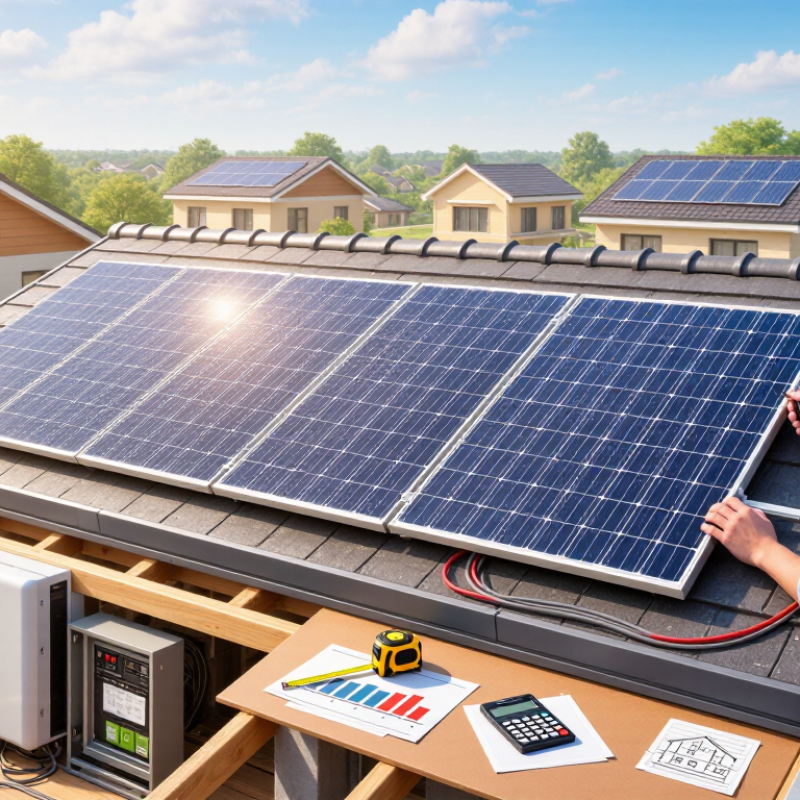
In China, a solar price is not just the price of panels. A complete quotation may include modules, inverters, mounting structures, cables, installation, engineering design, transport, and grid connection work. Check whether taxes, monitoring equipment, and maintenance are included. Small details matter: a longer cable run or a reinforced roof can add real cost.
IRENA’s Renewable Power Generation Costs in 2023 reported a global weighted-average installed cost of USD 758 per kilowatt for utility-scale solar PV, down 12% from 2022. This is a useful benchmark, not a China-specific offer. The report’s installed-cost approach covers equipment and project delivery, while supplier quotations may define their scope differently. Ask for an itemized bill of materials and separate labor, logistics, and connection charges. Compare the same system size and technical specifications. Otherwise, a low headline price can hide missing work. It happens. Quotes can still be imperfect; site conditions are sometimes estimated before a detailed survey.
| # | Price driver | What changes | Typical effect on a project quote | What buyers should check |
|---|---|---|---|---|
| 1 | Polysilicon and wafer costs | Changes in upstream material supply, production capacity, and inventory influence cell and module manufacturing costs. | Can move module prices and, in turn, the equipment portion of a system quote. | Ask for the module specification, quote validity period, and whether the price is fixed or subject to adjustment. |
| 2 | Module technology and efficiency | Cell architecture, module power, efficiency, dimensions, and product specifications differ. | Higher output per panel may reduce the number of panels or mounting area needed, while premium specifications can cost more. | Compare equivalent rated power, efficiency, dimensions, warranty terms, and test documentation. |
| 3 | Inverter type and system design | String, microinverter, or other configurations have different equipment, monitoring, and installation requirements. | The choice changes equipment costs and may affect wiring, protection devices, and commissioning work. | Check inverter capacity, design ratio, protections, monitoring, and compatibility with the planned grid connection. |
| 4 | Steel, aluminum, and mounting structures | Metal prices, corrosion protection, structure type, and roof conditions affect mounting-system requirements. | Quotes can rise when stronger, corrosion-resistant, or customized structures are required. | Confirm structure material, coating, design loads, roof attachment method, and whether structural reinforcement is included. |
| 5 | Labor and installation conditions | Local labor rates, crew availability, roof height, access, and project schedule vary by location and site. | Difficult access, restricted working hours, or remote sites can increase installation and logistics costs. | Check whether labor, lifting equipment, transport, safety measures, and cleanup are itemized. |
| 6 | Roof condition and site complexity | Roof shape, usable area, shading, waterproofing condition, and structural capacity affect design and installation work. | Repairs, reinforcement, extra cable runs, or shading mitigation may add costs beyond a standard installation. | Request a site survey and clarify responsibility for roof repairs and any work discovered after installation begins. |
| 7 | Grid connection and electrical upgrades | Connection requirements depend on the local grid, export arrangement, existing electrical equipment, and project scale. | Metering, protection, switchgear, transformer, or connection works may be required and may not be included in a basic system price. | Confirm the point of connection, required approvals, metering scope, and which party pays for grid-side work. |
| 8 | Battery storage and backup requirements | Battery capacity, chemistry, power rating, backup circuits, and control equipment vary by application. | Adding storage generally increases the project price; backup capability may require additional components and electrical work. | Check usable capacity, power rating, operating mode, warranty conditions, and whether the quote includes the battery and its controls. |
| 9 | Transport, supply, and currency costs | Freight, delivery distance, packaging, supply availability, and the currency used for imported inputs can change over time. | Delivered project prices may differ from equipment-only prices, especially for remote sites or changing supply conditions. | Confirm delivery destination, unloading responsibility, transport charges, and whether the quote is denominated in RMB. |
| 10 | Taxes, financing, and contract scope | Tax treatment, financing fees, payment terms, insurance, and the division of responsibilities differ between contracts. | Two quotes for similar equipment may not be comparable if one includes taxes, financing, or wider project services and the other does not. | Compare the same tax basis, payment schedule, warranty scope, insurance, and ownership or service responsibilities. |
| Cost item | Commonly included scope | Often quoted separately or subject to site review |
|---|---|---|
| PV modules | Solar panels specified by rated power and product configuration. | Special module options, replacement shipping, or changes after the design is approved. |
| Inverter and electrical balance of system | Inverter, standard cables, connectors, and project-specified protection equipment. | Major switchgear, transformer changes, long cable routes, or electrical upgrades beyond the agreed design. |
| Mounting structure | Rails, supports, and standard mounting hardware for the stated roof or ground-mount design. | Roof reinforcement, waterproofing repairs, custom foundations, or non-standard corrosion protection. |
| Engineering and installation | System design, standard installation labor, and basic testing when included in the contract. | Specialist structural assessments, difficult lifting, extra safety measures, and additional construction work. |
| Monitoring and commissioning | System startup, basic performance checks, and monitoring setup if stated in the scope. | Long-term monitoring subscriptions, advanced energy management, or ongoing operation and maintenance services. |
| Grid connection and approvals | Application or coordination tasks only where expressly listed in the contract. | Utility-side upgrades, connection fees, metering changes, and other requirements set by the local grid operator. |
| Taxes, transport, and services | May include applicable taxes, delivery, and documentation depending on the quote and contract. | Confirm VAT basis, delivery and unloading, insurance, financing costs, and any ongoing service fees in writing. |
Note: Solar quotations are not directly comparable unless system capacity, equipment specifications, site conditions, grid-connection scope, tax treatment, and included services are aligned. Actual prices depend on the project and contract.
It may cover panels, inverters, mounting structures, cables, installation, design, transport, and grid connection work. Check taxes, monitoring, and maintenance separately.
Longer cable runs, difficult roof access, or roof reinforcement can raise the total. Small details matter. Site estimates may change after a survey.
Costs can shift across polysilicon, wafers, cells, and modules. Factory capacity, electricity use, production yields, and equipment upkeep also affect prices.
Not always. Freight, inland transport, port handling, and available inventory can change the final cost. A quote is only a snapshot.
Match system capacity, module wattage, inverter type, mounting method, and delivery terms. Compare labor, shipping, taxes, and installation scope separately.
No. A 2023 global utility-scale benchmark reported an installed cost of USD 758 per kilowatt, down 12% from 2022. It is useful context, not a local offer.
A 2023 global benchmark put newly commissioned utility-scale solar at US$0.044 per kilowatt-hour, 12% lower year over year. It is not a retail quote.
Log the quote date, total price, equipment list, exclusions, currency, and expiry date. Save earlier versions too. A tidy spreadsheet can still hide mismatched assumptions.
Ask whether freight, stock, or system design changed, and request the reason in writing. I would recheck the scope before calling one offer cheaper.
Solar prices in China can change for many reasons, and understanding what each quote includes is a useful first step. The final price may cover panels, inverters, mounting equipment, installation, transport, and other project services. Changes in the cost of materials such as polysilicon, glass, and metals can affect manufacturing expenses, while factory capacity, production efficiency, shipping availability, and inventory levels influence how quickly those costs reach buyers.
Why do solar prices keep changing? Government policies, shifts in electricity demand, seasonal purchasing patterns, and competition among suppliers can all affect market pricing. Buyers can make more informed comparisons by checking that quotes specify similar equipment, system sizes, warranties, installation work, and delivery terms. Tracking quotes over time and asking providers to explain major differences can also help distinguish a short-term price fluctuation from a broader market trend.
