How to Calculate Solar Needs for Your Home?

Time:2026-10-03 Author:Madeline
0%

Calculating a home solar system begins with your actual electricity use, not a guess from your roof size. How to calculate solar needs for my home depends on monthly consumption, sunlight, roof direction, and local weather. A practical estimate starts with twelve utility bills. Look for kilowatt-hours used each month, then identify seasonal peaks caused by air conditioning, heating, or electric water heaters.

Your roof matters too. A south-facing roof may receive strong sunlight, while shade from trees or chimneys can reduce production. Even a small shadow can affect several panels. Note the roof’s usable area, age, slope, and condition before requesting quotes. A professional installer should inspect these details and explain panel efficiency, inverter capacity, battery options, and expected system losses.

Solar production is rarely equal to the system’s advertised capacity. Dust, heat, snow, wiring, and temporary shading can lower output. That difference is easy to overlook. Use a reputable solar calculator, local solar maps, and recent electricity data to create a starting estimate. Then compare it with an installer’s site assessment and written production guarantee, where available.

This guide explains the calculation in clear steps, while recognizing that every home behaves differently. My estimate may be imperfect. It should be tested against real bills, roof measurements, and local utility rules. A careful plan can reduce surprises and help you choose a system that fits your home, budget, and long-term energy goals.
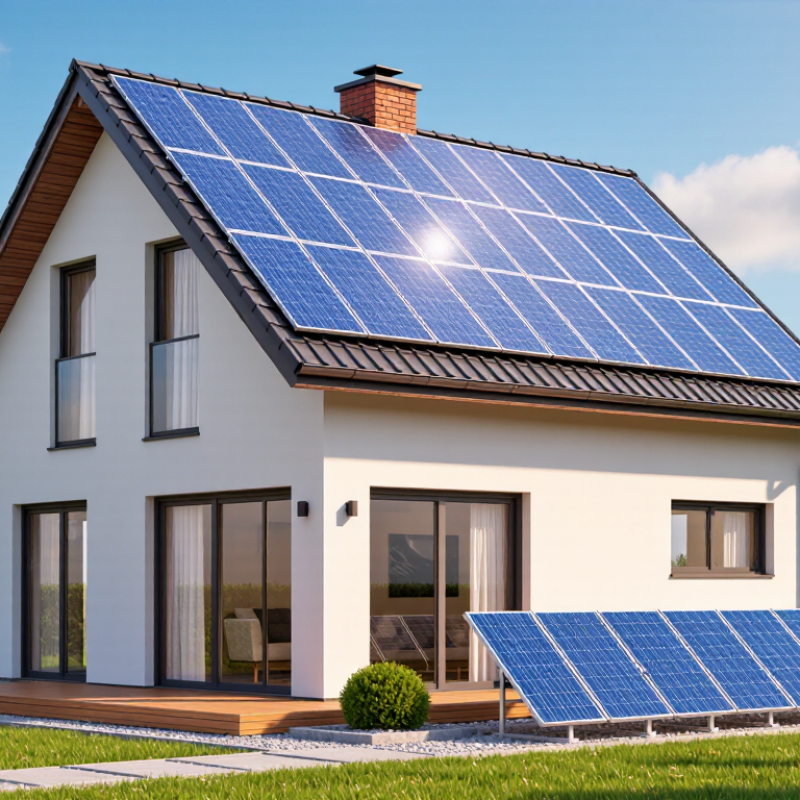
How to Calculate Solar Needs for Your Home?

Assess Your Home’s Electricity Consumption

How to Calculate Solar Needs for Your Home?

Assessing your home’s electricity consumption starts with real meter data, not a guess. Collect twelve months of utility bills and record each monthly total in kilowatt-hours. Add them together, then divide by twelve. This reveals your average monthly usage and exposes seasonal changes. The U.S. Energy Information Administration reported average household electricity consumption of 10,566 kilowatt-hours annually in its 2020 Residential Energy Consumption Survey. Your home may differ sharply because of climate, insulation, occupancy, and heating equipment.

Look closer at high-use months. A summer bill may rise because of air conditioning, while winter demand can increase with electric heating. Note planned changes, such as an electric vehicle, heat pump, or larger household. These loads can reshape your solar requirement. The International Energy Agency’s Electricity 2024 report identifies buildings as a major source of global energy demand, making household efficiency highly relevant before sizing generation. A smaller load often needs fewer panels.

Use your annual consumption as the starting target, then adjust for local sunlight, roof orientation, shading, and system losses. Professional solar assessments commonly use hourly usage profiles, not only annual totals. A rough formula is annual kilowatt-hours divided by expected annual production per installed kilowatt. That estimate is imperfect. It should be. Weather changes, panels age, and household habits shift. I would also compare the calculation with interval-meter data, if available, because monthly averages can hide a hot afternoon when your home consumes the most electricity.

Determine Your Solar Energy Production Requirements

How to Calculate Solar Needs for Your Home?

Determine your annual electricity demand before choosing a solar system. The U.S. Energy Information Administration reported that the average American home used about 10,791 kWh in 2022. Your own bills matter more. Add twelve months of usage, then note seasonal peaks from air conditioning, heating, or electric vehicles.

Estimate production with this formula: system size = annual electricity use ÷ (sun hours × 365 × performance ratio). For example, 10,800 kWh divided by 4.5 daily sun hours and a 0.80 performance ratio requires about 8.2 kW. The National Renewable Energy Laboratory commonly models a 14% to 25% capacity factor, depending on location and system conditions. Shade changes everything. A chimney shadow at 4 p.m. can reduce output more than expected.

Use local solar data, not a national average. The International Energy Agency’s photovoltaic reports show strong regional differences in solar deployment and resource quality. Roof direction, tilt, dust, snow, wiring losses, and inverter efficiency also affect production. A west-facing roof may produce less annual energy but better match evening demand. This can be valuable.

Leave some margin. Maybe 10% is sensible, but it is not a law. Electricity use may rise after installation. My first-pass estimates often look precise, yet weather remains unpredictable. Recheck the calculation with hourly shading data and at least one full year of utility records.

How to Calculate Solar Needs for Your Home?

Determine your solar energy production requirements by comparing monthly household electricity use with the solar generation needed to offset system losses.

This planning example uses an annual household electricity demand of approximately 9,750 kWh. The required solar production is calculated using an estimated 85% overall system efficiency, which accounts for inverter losses, wiring, temperature, shading, and other normal operating factors. Annual target solar production is approximately 11,470 kWh. Actual results vary by location, roof direction, shading, weather, and system design.

Evaluate Roof Space, Sunlight, and System Orientation

How to Calculate Solar Needs for Your Home?

Roof space, sunlight, and orientation determine more than your monthly electricity use. Start with usable roof area, not the total roof footprint. Exclude chimneys, vents, skylights, and shaded edges. A typical 400-watt panel needs roughly 2 square metres, including practical spacing. Measure carefully. Roof drawings can be misleading.

Sunlight is the difficult variable. The International Energy Agency Photovoltaic Power Systems Programme reported global solar capacity above 1.6 terawatts by the end of 2023, but output still depends heavily on local irradiation. Use a location-based solar resource report, such as the Global Solar Atlas, and inspect hourly shade patterns. A nearby tree may block morning light, while a chimney creates moving shadows. NREL’s PVWatts model includes tilt, azimuth, shading, and system losses; its default loss assumption is about 14%. Real roofs may perform worse.

Tips: Face panels toward the equator when possible. In the northern hemisphere, that usually means south-facing. A roof tilt near the local latitude is a useful starting point, but it is not sacred. East-west layouts can work when afternoon demand is high. Leave service access around equipment. My own rough estimates often look too neat; dust, snow, wiring, and partial shade can quietly reduce production. Check twelve months of utility bills, then compare the design with an installer’s site assessment.

Select the Right Solar Panel System Size

How to Calculate Solar Needs for Your Home?

Select the Right Solar Panel System Size

Choosing the right solar system begins with your actual electricity use, not your roof size. Review twelve months of utility bills and calculate your average daily consumption. A home using 30 kilowatt-hours daily may need about a 7-kilowatt system. This estimate assumes roughly five peak sun hours and an 85% system efficiency rate.

Local conditions can change the result. Shade from trees, roof direction, panel angle, and seasonal sunlight all affect production. A south-facing roof may perform well, while a shaded roof could require more panels. Measure carefully. Small errors matter.

Do not size the system from one unusually high bill. Heating, cooling, guests, and future appliances can shift demand. I once treated summer use as typical, but that estimate was too optimistic. A safer approach compares seasonal patterns and adds a modest allowance for future needs. Avoid adding too much capacity without checking local rules and utility limits.

A professional site assessment should confirm roof condition, available area, wiring, and structural strength. Ask for projected annual production, expected losses, and the assumptions behind the calculation. Battery storage is a separate decision. It can improve nighttime energy use, but it does not automatically reduce the panel capacity required for yearly consumption. Monitor your usage after installation and reassess the system’s performance. Forecasts are useful, not perfect.

How to Calculate Solar Needs for Your Home? - Select the Right Solar Panel System Size

Monthly Home Electricity Use Average Daily Use Design Sun Hours per Day System Performance Factor Estimated Solar System Size Approximate Number of 400 W Panels Approximate Roof Area Required Estimated Annual Solar Production
300 kWh 10.0 kWh 4.5 hours 80% 2.8 kW 7 panels 14 m² Approximately 3,680 kWh
600 kWh 20.0 kWh 4.5 hours 80% 5.6 kW 14 panels 28 m² Approximately 7,360 kWh
900 kWh 30.0 kWh 4.5 hours 80% 8.4 kW 21 panels 42 m² Approximately 11,040 kWh
1,200 kWh 40.0 kWh 4.5 hours 80% 11.2 kW 28 panels 56 m² Approximately 14,720 kWh
1,500 kWh 50.0 kWh 4.5 hours 80% 14.0 kW 35 panels 70 m² Approximately 18,400 kWh
Calculation method: Estimated system size = average daily electricity use ÷ (design sun hours × system performance factor). The examples assume 30 days per month, 4.5 peak sun hours per day, an 80% performance factor for normal losses, and 400-watt panels. Roof-area estimates use approximately 2 m² per panel. Actual sizing should also consider roof orientation, shading, local climate, seasonal production, electricity-rate structure, and future energy use.

Estimate Battery Storage and Future Energy Needs

How to Calculate Solar Needs for Your Home?

Estimate Battery Storage and Future Energy Needs

Begin with twelve months of electricity bills, not one unusually high month. Record daily usage, seasonal changes, and evening demand. A home using 30 kilowatt-hours daily may need a battery around 15 to 24 kilowatt-hours. That range allows partial backup without purchasing excessive storage. It also reflects usable capacity, not the battery’s advertised total.

A simple estimate is: daily backup load multiplied by desired backup days, divided by usable battery capacity. Include refrigeration, lighting, internet equipment, medical devices, and water pumps. Exclude electric heating unless the system can support its heavy demand. Battery efficiency and reserve settings reduce available energy. Ask a qualified installer to verify these figures against local electrical requirements.

Think beyond today’s appliances. An electric vehicle, induction cooking, or a heat pump can change future demand sharply. Add their estimated annual consumption to your planning model. A practical approach is installing enough solar to cover current use, then leaving roof and inverter capacity for expansion. Weather remains unpredictable. Cloudy winter days can expose weak assumptions.

Do not treat the estimate as a promise. Household habits change, and battery performance declines gradually. Many plans also overlook short evening peaks. A smaller battery may work better when paired with careful load scheduling and limited backup circuits. Review the design after several months of real meter data. Your first calculation may be wrong. That is useful information.

FAQS

How do I estimate the solar system size my home needs?

Add twelve months of electricity use. Divide annual usage by local sun hours, 365, and the performance ratio. A 10,800-kWh home may need about 8.2 kilowatts.

Why should I review a full year of utility bills?

Electricity demand changes with seasons. Air conditioning, heating, guests, and electric vehicles can create sharp peaks. One unusual bill can mislead your design.

How much roof space might solar panels require?

A typical 400-watt panel needs about two square metres, including practical spacing. Exclude chimneys, vents, skylights, and shaded roof edges.

Which roof direction usually produces the most electricity?

In the northern hemisphere, south-facing roofs are often a useful starting point. East-west layouts may better match homes using more electricity during afternoons.

How does shade affect solar production?

Shade can reduce output substantially. A chimney shadow at 4 p.m. may affect several panels. Check hourly shade patterns, not only midday sunlight.

What other factors reduce solar energy production?

Dust, snow, wiring losses, inverter efficiency, roof tilt, and seasonal sunlight all matter. Real roofs may perform worse than early estimates.

Should I add extra capacity for future electricity use?

A modest allowance may help if your demand will rise. However, local utility rules and connection limits may restrict system size. Ten percent is only a rough idea.

Is a battery necessary for meeting yearly electricity demand?

No. Battery storage mainly shifts energy into nighttime or low-sun periods. It does not automatically reduce the panels needed for annual consumption.

What should a professional site assessment confirm?

It should examine roof condition, usable area, structural strength, wiring, shading, and projected production. Ask for expected losses and calculation assumptions.

Are solar production forecasts exact?

No. Forecasts use weather and system assumptions. My rough estimates can look impressively precise, yet cloudy weeks still happen. Recheck performance after installation.

Conclusion

Learning how to calculate solar needs for my home starts with reviewing current electricity consumption, including monthly usage patterns and peak demand. This information helps determine how much solar energy the household should produce. Next, evaluate the available roof space, sunlight exposure, shading, roof angle, and system orientation to understand how efficiently panels may perform throughout the year.

The appropriate solar panel system size should balance expected energy production with household requirements, local conditions, and available installation space. It is also important to consider battery storage, especially for backup power or nighttime use. Finally, allow room for future energy needs, such as additional appliances, electric transportation, or changes in household size. By combining consumption data, solar potential, system efficiency, storage goals, and future demand, homeowners can make a practical estimate and choose a system that supports reliable, long-term energy use.

Madeline

Madeline

Madeline is a dedicated marketing professional with a wealth of expertise in our company's core offerings. With a keen understanding of the industry, she brings a unique perspective to her role, consistently delivering high-quality content that highlights the superior aspects of our products. As......