Wing Solar
China’s energy transition is no longer a distant policy goal; it is changing the choices available to businesses today. The National Energy Administration reported that renewable power capacity reached 1.889 billion kilowatts in 2024, or 56.2% of China’s total installed capacity. IRENA’s Renewable Capacity Statistics 2025 recorded about 373.6 gigawatts of new renewable capacity in China that year. The scale is striking. For manufacturers, hotels, logistics operators, and data centers, it raises a practical question: “Why should I switch to renewable energy” when reliability and cost still matter?
Renewable electricity can help companies manage exposure to fossil-fuel price swings, reduce reported operational emissions, and respond to customer or investor expectations. Options include on-site rooftop solar, green electricity purchases, and green power certificates. Each has different costs, contract terms, and evidence requirements. A solar array above a warehouse may lower daytime grid use, but it will not power every night shift. That matters. China’s provinces also differ in renewable supply, grid conditions, and access to purchasing mechanisms, so a solution that works in one industrial park may not fit another. The numbers show momentum, not guaranteed savings for every business. Companies should compare tariffs, load profiles, contract details, and verified environmental claims before committing. Renewable energy can be a strong business decision, but the case should be tested against the meter, not assumed from a headline.
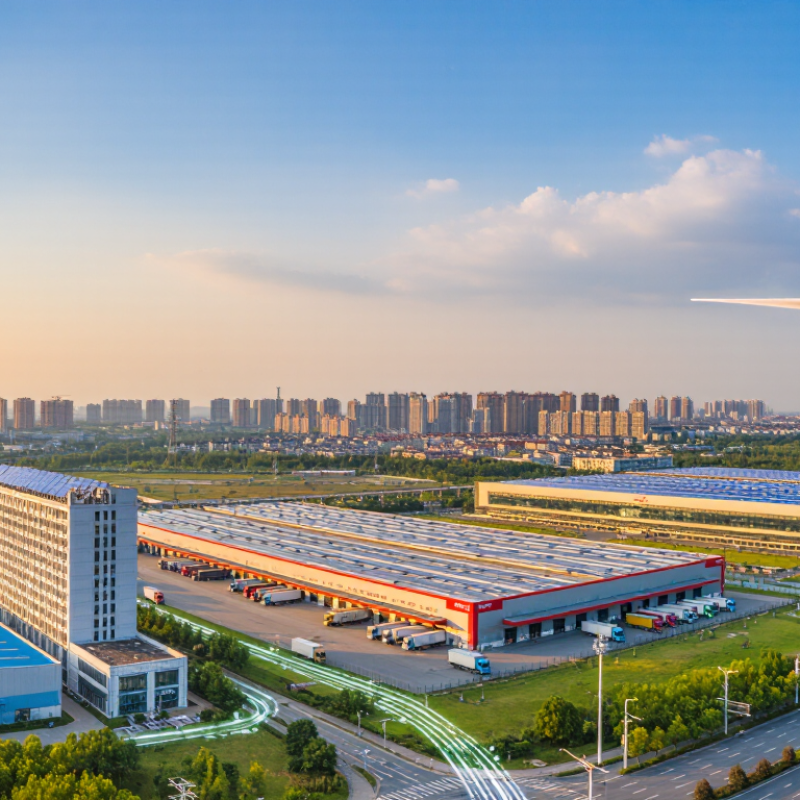
China’s renewable energy landscape is expanding quickly, with large solar and wind projects alongside rooftop systems on factories and warehouses. But clean power is not equally available in every region or hour. A coastal manufacturer may have different options from an inland data centre, and local grid conditions matter. That matters. Businesses also face steady demand from production lines, cooling equipment, lighting, and electric vehicle charging. Matching that demand with renewable supply takes planning, not just good intentions.
A practical assessment starts with hourly electricity use, roof condition, operating schedules, and local connection capacity. On-site solar can serve daytime loads, while storage may help shift some power to later hours. Green electricity contracts can be another route, where available. Still, costs, contract terms, and supply profiles vary. A plan that looks strong on paper may fit poorly during night shifts or seasonal peaks. I would not assume one technology solves everything; efficiency upgrades can be less visible, but they often reduce demand directly.
Tips: Review twelve months of utility bills and interval data before setting targets. Compare expected renewable supply with actual operating hours. Ask about grid constraints and contract conditions, and revisit the plan after a trial period. Some figures will be imperfect at first. Record the gaps, then improve the forecast.
China’s renewable power capacity has grown rapidly, expanding the potential supply available to businesses.
China’s installed renewable power capacity increased from about 934 GW in 2020 to 1,889 GW in 2024. This growth creates more opportunities for businesses to explore renewable electricity procurement and manage energy-related emissions. Installed capacity is not the same as electricity generated or continuously available power.
Source: China National Energy Administration (NEA), annual renewable power industry statistics. Figures are rounded.
For businesses in China, renewable electricity can reduce exposure to fossil-fuel price swings and lower operational emissions. On-site solar may suit factories with large roofs and steady daytime demand. A warehouse, for example, can use power generated above its loading bays and buy less grid electricity during sunny hours. Savings are not automatic: roof strength, grid connection limits, local tariffs, and seasonal output all affect payback.
Renewable power contracts or certificates can help sites without suitable roofs, but companies should verify the supply arrangement and emissions claims. Track monthly electricity use, bills, and production volumes before and after a change. This makes cost comparisons more credible and helps distinguish cleaner power from emissions reductions caused by lower output. Small steps matter.
Tips: Ask an energy professional to review roof condition and meter data before investing. Compare total costs, including equipment, maintenance, financing, and grid fees. Review targets quarterly. Early savings estimates can miss weather shifts or production disruptions.
| Metric | China data | What it means for businesses | Source / calculation |
|---|---|---|---|
| Total renewable power capacity | About 1,516 GW at the end of 2023, or 51.9% of China’s total installed power capacity. | A large and growing renewable fleet expands the potential supply available through green-power procurement and other eligible arrangements. | China National Energy Administration (NEA), 2023 renewable energy statistics. |
| Solar power capacity | About 609 GW at the end of 2023. | On-site rooftop solar may help suitable facilities reduce grid purchases during periods when their generation matches building demand. | NEA, 2023 renewable energy statistics. |
| Wind power capacity | About 441 GW at the end of 2023. | Wind power can complement solar generation, although availability and deliverability depend on project location and the electricity-market arrangement. | NEA, 2023 renewable energy statistics. |
| Renewable electricity generation | About 2.9 trillion kWh in 2023, equivalent to approximately 31.8% of total electricity consumption. | The scale of generation highlights the growing role of renewables in China’s electricity supply; the share available to a particular buyer varies by region and contract. | NEA, 2023 renewable energy statistics. |
| National average electricity emission factor | 0.5366 kg CO2 per kWh for 2022. | This factor can support a transparent, indicative estimate of emissions associated with electricity use. It is not a site-specific or time-specific factor. | China Ministry of Ecology and Environment, 2022 national average electricity CO2 emission factor. |
| Illustrative emissions impact | At the 2022 national average factor, 1 GWh of electricity corresponds to about 537 tonnes of CO2; 10 GWh corresponds to about 5,366 tonnes. | Use this as an indicative comparison only. Renewable procurement does not automatically equal the same amount of real-world emissions avoided; results depend on the electricity displaced and the applicable reporting method. | Calculated as electricity use × 0.5366 kg CO2/kWh; converted from kilograms to tonnes. |
| Illustrative electricity-cost sensitivity | For annual use of 1 GWh, a price difference of CNY 0.01/kWh equals CNY 10,000 per year. | Compare the full delivered cost of renewable electricity with the business’s existing supply, including applicable network charges, time-of-use prices, contract terms, and balancing costs. Savings are not guaranteed. | Calculation: 1,000,000 kWh × CNY 0.01/kWh. |
| Green Electricity Certificate unit | One Chinese Green Electricity Certificate (GEC) represents 1,000 kWh of renewable electricity. | Certificates can support renewable-electricity claims when they meet the applicable rules. Buyers should check certificate ownership, cancellation, and reporting requirements. | China’s Green Electricity Certificate system rules and official guidance. |
China’s policy framework gives companies several practical routes to renewable electricity. Businesses can buy green power through market-based trading or purchase Green Electricity Certificates (GECs) to document renewable consumption. A 2023 National Development and Reform Commission policy expanded certificate coverage and established GECs as the proof of renewable electricity’s environmental attributes. This can support emissions reporting, but it does not automatically make every claim credible: companies should match certificates to the right period and consumption.
The market is growing fast. The National Energy Administration reported that China’s installed renewable capacity reached 1.889 billion kilowatts by the end of 2024, including 887 million kilowatts of solar capacity. Companies may also assess rooftop solar, direct procurement, and local government programs. Incentives vary by province and project type, so expected returns should not rely on a headline subsidy. The paperwork is real. It can be easy to underestimate.
Tips: Check local grid access, certificate eligibility, and contract terms before budgeting. Keep invoices, meter data, and GEC records together. A factory roof may look ideal at noon, yet seasonal output and evening demand still matter. Plan for both.
For businesses in China, renewable power can reduce exposure to fossil-fuel price swings and support emissions goals. The right procurement route depends on location, roof space, electricity demand, and local market access. On-site solar may suit factories with large, unshaded roofs and steady daytime loads. Companies without suitable sites can explore green electricity purchases through eligible market arrangements or procure green electricity certificates. Availability and contract terms vary by province, so confirm current requirements with qualified local advisers.
Integration takes more than signing a supply contract. Compare hourly electricity use with expected solar output, especially during seasonal production changes. A battery may help shift some power to evening hours, but its cost, safety needs, and operating life require careful assessment. Check grid connection capacity, metering, backup arrangements, and how renewable purchases will be verified and reported. Keep the records. One weak point in many plans is assuming that annual renewable supply automatically matches every hour of demand.
Tips: Start with data. Review twelve months of bills and interval-meter readings before choosing a supplier or sizing equipment. Ask for clear delivery, pricing, and verification terms. Pilot one site first; real operating results may challenge the spreadsheet.
Switching to renewable energy in China is not just a matter of installing rooftop panels. Electricity demand, provincial market rules, and grid access can shape what a business can actually buy. IRENA’s Renewable Capacity Statistics 2024 reports that China added 297.6 GW of renewable capacity in 2023. That rapid growth is impressive. It also makes reliable connections and flexible supply more important.
Generation and consumption may be far apart. A factory in coastal Guangdong cannot automatically use power generated in a remote western province; transmission capacity and local trading arrangements matter. The IEA’s Electricity 2024 report projected China’s electricity demand would rise by about 6% in 2024, adding pressure to match supply with fast-changing demand. Solar output peaks around midday, while many sites need steady power after sunset. Storage can help, but it adds cost and requires careful sizing.
Procurement can be complicated. Green-power trading, certificates, and direct contracts may have different availability across provinces, so a national plan can fail at the site level. Businesses should check hourly load data, grid connection terms, and contract conditions before promising specific emissions cuts. I would not assume that a certificate alone reflects a perfectly matched supply. Reality is messier. A practical pilot at one facility can reveal gaps between the contract and the power used on the production floor.
Review twelve months of utility bills, hourly electricity data, roof condition, and operating schedules. The first forecast may still be wrong.
It may suit factories or warehouses with large roofs and steady daytime demand. Roof strength and grid connection capacity still matter.
Storage may shift some solar power to later hours, such as an evening production shift. It will not solve every supply gap.
Green electricity contracts or certificates may be options where available. Check the supply arrangement, contract terms, and emissions claims carefully.
Compare equipment, maintenance, financing, grid fees, tariffs, and expected output. Weather and production disruptions can change the payback estimate.
Track monthly electricity use, bills, and production volumes before and after a change. This helps separate cleaner power from reduced output.
Grid capacity and local connection limits can affect which projects are practical. A coastal factory and an inland data centre may face different options.
Review targets quarterly and revisit the plan after a trial period. Record forecast gaps; some figures will remain imperfect at first.
China’s growing renewable energy capacity is creating new opportunities for businesses facing rising electricity demand and pressure to reduce emissions. Switching to renewable power can help companies manage long-term energy costs, improve operational efficiency, and support climate goals. Why should I switch to renewable energy? For many businesses, it is a practical way to strengthen energy resilience while responding to customers, employees, and investors who increasingly value responsible operations.
Companies in China can explore options such as purchasing renewable electricity, installing on-site solar systems, or combining different approaches to match their facilities and energy needs. Government policies and incentives may support adoption, but eligibility and availability can vary by location and project. Businesses should also plan for challenges, including upfront investment, grid access, supply variability, and the complexity of evaluating contracts. Careful assessment of energy use, local conditions, and financial goals can help organizations choose a suitable transition path and make progress toward cleaner, more reliable operations.