Best Photovoltaic Module Options for Your Solar System?

Time:2026-03-06 Author:Mason
0%

Choosing the right Photovoltaic Module for your solar system is a crucial step in harnessing solar energy. The market offers various options, each with unique features and benefits. These modules convert sunlight into electricity, making them essential for any solar installation.

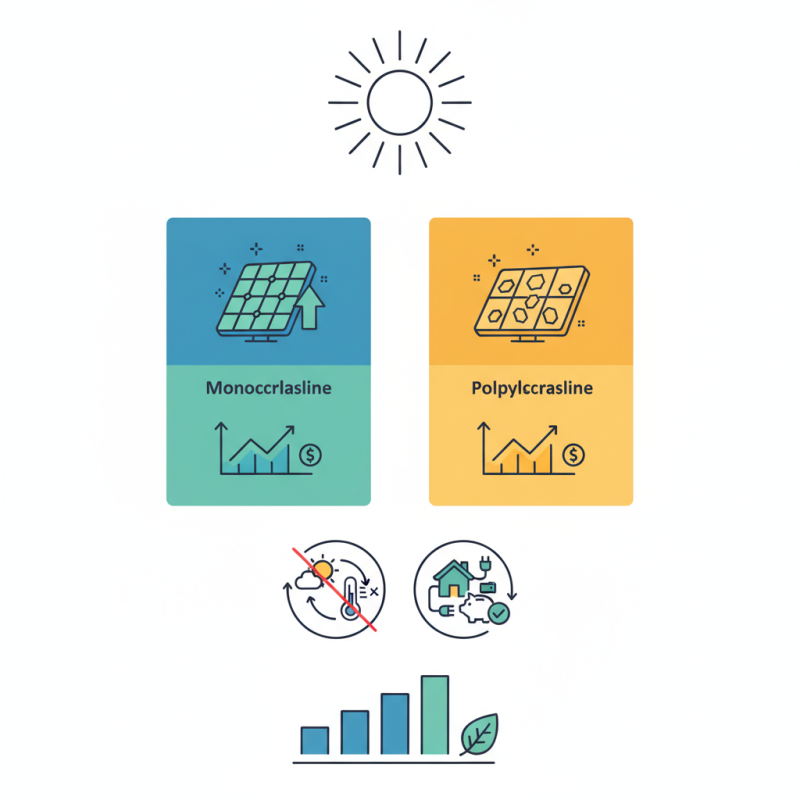
When selecting a Photovoltaic Module, consider efficiency ratings and durability. Different modules have different energy outputs based on their design. For instance, monocrystalline panels typically offer higher efficiency compared to their polycrystalline counterparts. However, they can be more expensive. Think about your budget and energy needs before making a choice.

Moreover, some modules may not perform well in shaded areas or under hot conditions. This can lead to less efficient energy production. Reflecting on these aspects can help in making a more informed decision. It’s essential to weigh the pros and cons of each product. Remember, the right choice can greatly impact your energy savings and overall satisfaction with your solar system.
Best Photovoltaic Module Options for Your Solar System?

Types of Photovoltaic Modules: Monocrystalline, Polycrystalline, and Thin-Film

When choosing photovoltaic modules, understanding the differences is crucial. Monocrystalline modules are made from single-crystal silicon. They are efficient and take up less space. However, they can be more expensive. Polycrystalline modules are a blend of multiple silicon crystals. They are cheaper but slightly less efficient. Thin-film modules are lightweight and flexible. They work well in low-light conditions but require more space.

Tips: Consider your space and budget. If you have limited roof space, monocrystalline might be the best choice. If you're on a budget, polycrystalline can be a good compromise. Thin-film could be suitable for larger installations. Assess how much sunlight your location receives.

Investing in solar energy requires careful planning. Be aware of each module's lifespan and efficiency. Not every installation will be perfect. Some may face shading issues or weather-related challenges. Understand the impact of your choices before making a decision.

Efficiency Ratings: Comparing the Performance of Different PV Technologies

When choosing photovoltaic (PV) modules for solar systems, efficiency ratings are crucial. Different PV technologies perform variably under diverse conditions. Crystalline silicon modules typically dominate the market, with efficiencies ranging from 15% to 22%. Studies indicate that monocrystalline variants often achieve the highest ratings, boasting over 20% efficiency in optimal settings.

However, performance can drop significantly in real-world situations. Factors like shading, temperature, and angle of installation all influence output. For example, polycrystalline modules, while generally cheaper, often lag behind their monocrystalline counterparts. Their efficiencies usually hover between 15% and 18%, but they can struggle in heat. In regions with high temperatures, using these might not be the best choice.

Bifacial technology is gaining traction, capable of achieving efficiencies around 25%. However, this comes with considerations regarding installation and space. Additionally, many users report uncertainties about long-term performance and durability. It's imperative to evaluate not only initial efficiency but also other lifecycle factors. An informed choice can lead to better energy yield and long-term satisfaction.

Cost Analysis: Evaluating the Price Per Watt of Leading Solar Modules

When considering solar modules, cost is a crucial factor. The price per watt is the most common way to measure this. Some modules may seem affordable upfront but can lead to higher costs long-term. Evaluating efficiency alongside price is vital. An efficient module may have a higher initial cost but saves more over time.

**Tip:** Compare not just the price but also the efficiency ratings. It’s easy to overlook the fact that some cheaper modules might produce less energy. This could lead to longer payback periods.

Moreover, installation costs can vary significantly. Some configurations may require additional components, impacting overall expenses. Systems with high-quality modules often guarantee better performance, but they aren’t always the most cost-effective in all situations. It’s important to gauge the balance between upfront costs and potential savings.

**Tip:** Ask for quotes from multiple installers. Some might offer lower installation costs, which can affect your final decision. However, ensure they’re qualified to avoid potential issues. Always reflect on whether the lowest price delivers the best value.

Durability and Lifespan: Understanding Warranty and Degradation Rates

When selecting photovoltaic modules for your solar system, durability and lifespan are crucial factors. A good warranty provides peace of mind. Most manufacturers offer warranties ranging from 10 to 25 years. This indicates the expected lifespan of the modules and their performance over time. However, do not assume a longer warranty means better quality. Sometimes, companies provide extended warranties as a marketing tactic.

Degradation rates are another essential aspect. Typically, solar panels degrade at a rate of 0.5% to 1% annually. This means that, after 25 years, your system might produce about 80% of its original power output. Some manufacturers offer lower degradation rates, indicating better longevity. Keep an eye on this metric.

Tips: Look for third-party testing results. These can give you real-world insights into module performance. Consider your local climate as well. High temperatures or extreme weather can affect durability over time. Remember, reflect on your energy needs and future growth plans. Choosing the right module is not just about cost; it's about value over the long term.

Top Manufacturers: A Review of Industry Leaders in Solar Module Production

The solar module industry is rapidly evolving. According to a recent report, global solar module shipments reached 220 gigawatts in 2022. This reflects a growth rate of over 25% from the previous year. As demand for renewable energy rises, several manufacturers have emerged as leaders in this space.

Top producers lead through innovation and efficiency. Many use advanced technology to maximize energy output. Reports suggest that high-efficiency panels can produce up to 20% more power than standard models. Yet, not all innovations meet expectations. Some new products experience reliability issues over time. The market still grapples with quality control challenges.

Sustainability has become critical in production. A growing number of manufacturers strive for environmentally friendly processes. This shift aligns with global goals for lower carbon footprints. However, transparency in sourcing materials remains a concern. Not all companies disclose details about their supply chains. This inconsistency raises questions for eco-conscious consumers. The push for ethical practices is ongoing, but progress is uneven.

FAQS

: What are the main types of photovoltaic modules?

: The three main types are monocrystalline, polycrystalline, and thin-film. Each has unique characteristics.

Which module is the most efficient?

Monocrystalline modules generally achieve higher efficiencies, often exceeding 20% in optimal conditions.

Are polycrystalline modules cost-effective?

Polycrystalline modules are cheaper but offer slightly lower efficiency, making them a good option for tight budgets.

What should I consider when choosing a module?

Consider your available space, budget, and the average sunlight in your area before making a decision.

Why is efficiency rating important?

Efficiency ratings help gauge how well modules will perform, which impacts energy yield and long-term costs.

Do installation costs vary between modules?

Yes, installation costs can differ based on module type and additional components needed for setup.

What factors impact real-world module performance?

Factors like shading, temperature, and installation angle can significantly affect module output in real conditions.

Does cost always reflect value in solar modules?

Not always. Cheaper modules may save upfront but lead to higher long-term expenses if they produce less energy.

How can I ensure a good installation price?

Request quotes from multiple installers and check their credentials. Ensure the lowest price also delivers quality.

What common issues should I be aware of?

Be mindful of shading issues, weather impacts, and the module lifespan. Not every installation is perfect.

Conclusion

When selecting the best photovoltaic module for your solar system, it’s essential to understand the different types available, including monocrystalline, polycrystalline, and thin-film modules. Each type has unique characteristics that affect its efficiency ratings and overall performance. Comparing the efficiency of these photovoltaic technologies will help in determining which module will best meet your energy needs.

Cost analysis is also crucial, as the price per watt can vary significantly among leading solar modules. Additionally, considering durability and lifespan, including warranty and degradation rates, will ensure a long-term investment. Understanding these factors will guide you in choosing the optimal photovoltaic module that fits both your budget and energy goals.

Mason

Mason

Mason is a seasoned marketing professional with a deep expertise in the company's offerings and a passion for driving brand awareness. With a strong background in digital marketing strategies, he has an innate ability to connect with diverse audiences and effectively communicate product benefits.......