Wing Solar
The use of Solar End Clamps is gaining recognition in China. These components play a vital role in solar panel installations. They secure solar panels, ensuring stability and durability.
In a country that prioritizes renewable energy, the benefits of Solar End Clamps are significant. They prevent movement during harsh weather conditions. This results in longer-lasting solar systems and improved energy efficiency. Additionally, Solar End Clamps are often made from durable materials. This enhances their performance over time.
However, there are considerations to reflect upon. Improper installation can lead to issues. It's crucial for technicians to be well-trained. Regular inspections can prevent potential problems. As the solar market grows, understanding these details is essential for success.
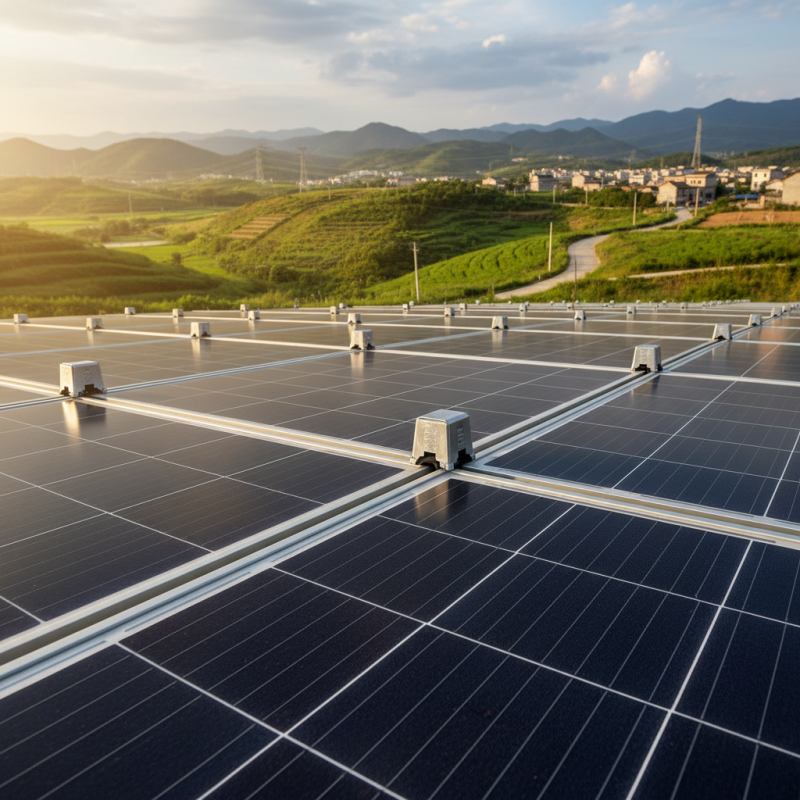
Solar end clamps play a vital role in enhancing the stability and durability of solar panels in China. These clamps secure the edges of the panels tightly, preventing them from shifting during windy conditions. By keeping panels firmly in place, end clamps help reduce the risk of damage. A single loose panel can lead to costly repairs and energy losses.
The durability of solar systems is crucial for their long-term performance. End clamps are typically made of corrosion-resistant materials. This feature prevents rust and decay, extending the lifespan of the entire system. However, choosing the right materials can be challenging. Some lower-quality clamps might not perform well under extreme weather. It is essential to ensure that clamps are suitable for local climate conditions to avoid potential failures.
Moreover, the installation of solar end clamps can require careful consideration. Improperly installed clamps can cause panel misalignment. This issue can lead to inconsistent energy production. Therefore, proper training and guidelines during the installation process are important. While end clamps offer many benefits, there is always room for improvement in quality and installation practices.
Solar end clamps play a crucial role in renewable energy installations across China. They secure solar panels to mounting structures, ensuring stability and safety. As the demand for solar energy grows, the efficiency of these clamps becomes increasingly important. Manufacturers are focusing on high-quality materials to enhance durability. The cost savings from using these clamps can be significant, as they reduce the risk of damage and maintenance.
In many installations, investing in reliable solar end clamps can lower long-term expenses. These clamps help streamline the installation process, allowing for quicker setups. When installers experience fewer delays, they can complete projects faster. This efficiency translates to reduced labor costs and increased productivity. However, not all clamps are created equal, and some may require regular replacements.
Choosing the right fixtures can be challenging. It's essential to balance cost and quality. Lower-priced options might save money upfront but could lead to higher costs in the long run. A detailed assessment of needs before making a purchase is vital. Installers should also consider local weather conditions, as extreme conditions can impact performance. Ultimately, careful selection of solar end clamps can lead to significant cost savings and improved system efficiency.
The use of solar end clamps in China has significantly impacted installation efficiency in recent years. According to a report by the China Photovoltaic Industry Association, the adoption of these specialized components can reduce installation time by approximately 30%. This reduction is vital as faster installations lead to increased project turnover.
Labor efficiency also receives a considerable boost from solar end clamps. With their streamlined design, these clamps simplify the attachment of solar panels to mounting systems. A recent industry study noted that teams using end clamps completed installations with 15% fewer labor hours. This efficiency not only lowers labor costs but also mitigates the risk of errors during the installation process, enhancing overall project quality.
However, it's essential to reflect on potential shortcomings. While solar end clamps improve time efficiency, their manufacturing variations can lead to compatibility issues. This sometimes necessitates additional adjustments on-site, which may counteract some of the time savings. Employing well-designed and tested clamps could resolve these inconsistencies, ensuring that the intended efficiency benefits are fully realized.
| Aspect | Data |
|---|---|
| Average Installation Time with Solar End Clamps | 4 hours per MW |
| Labor Efficiency Improvement | 25% increase in efficiency |
| Reduction of Material Waste | 15% reduction observed |
| Total Cost Savings on Installation | Approximately $300 per MW |
| Increase in Installed Capacity | 10% increase compared to traditional methods |
Solar end clamps are becoming a popular choice in China's renewable energy market. These components securely hold solar panels in place, ensuring stability and efficiency. Compared to traditional mounting solutions, they offer several advantages. They are typically lighter and easier to install, reducing labor costs. This can make a significant difference for large-scale solar projects.
Traditional mounting solutions often require complex adjustments and additional tools. In contrast, solar end clamps simplify the installation process. However, one needs to consider the specific requirements of different solar projects. While some installations might benefit from solar end clamps, others may still require traditional methods. This raises questions about when to use which solution.
Additionally, the long-term durability of solar end clamps is worth examining. They must withstand harsh weather conditions. The choice of materials impacts their lifespan and functionality. Improper selection might lead to failures down the road. Evaluating both options carefully will lead to better decisions in solar energy installations across China.
In China, the solar industry is rapidly expanding. Adoption rates of solar end clamps are increasing slowly but steadily. These fittings play a crucial role in securing solar panels. As installations grow, so does the demand for reliable components. Many manufacturers are focusing on improving the quality of these clamps.
One concern in the market is the durability of the clamps. Some low-quality products fail under extreme weather conditions. This inconsistency has led to some hesitation among installers. Additionally, obtaining certifications for products is a challenge. Many companies struggle to navigate the regulatory landscape. Customers are seeking assurance on the quality and longevity of solar end clamps.
Despite these issues, the overall trend is positive. Adoption rates are climbing as more projects come online. Installation companies are increasingly recognizing the importance of quality components. They are willing to invest in superior clamps for long-term benefits. As awareness grows, so does the push for reliable technology in the solar market. The journey toward widespread adoption continues, but progress is evident.
: They are used to securely attach solar panels to mounting systems.
They can reduce installation time by approximately 30%.
They can decrease labor hours by about 15%, lowering overall labor costs.
Yes, manufacturing variations can cause compatibility issues and may require on-site adjustments.
Solar end clamps are lighter and easier to install than traditional solutions, simplifying the process.
Their durability depends on material selection; improper choices can lead to failures.
It depends on the specific requirements of each solar project; both options have their advantages.
Yes, variations and selection issues might complicate installations, affecting overall efficiency.
Yes, they help reduce errors during installation, which can improve overall quality.
Not necessarily; each project may have unique needs that might still favor traditional methods.
The article explores the various benefits of Solar End Clamps in China's growing solar energy sector. One of the key advantages highlighted is their role in enhancing panel stability and durability, which is crucial for ensuring the longevity of solar installations. Additionally, Solar End Clamps contribute to significant cost savings, reducing overall expenses in renewable energy projects.
Moreover, the efficiency of installations is improved with the use of Solar End Clamps, leading to faster setup times and lower labor costs. A comparison with traditional mounting solutions reveals that Solar End Clamps are rapidly gaining popularity due to their effectiveness and reliability. Finally, the article discusses current market trends, showcasing the increasing adoption rates of Solar End Clamps within China's solar industry, indicative of a shift towards more advanced mounting technologies.