As the demand for renewable energy rises, many people ask, "What is the average cost of going solar?" In 2026, the landscape for solar energy may have shifted significantly. Experts like Dr. Emily Ray, a solar energy researcher at the Renewable Energy Institute, state, "Understanding solar costs helps consumers make informed decisions."
Solar installation costs depend on various factors, including location, panel types, and installation complexity. For instance, urban areas may have higher costs due to space limitations and labor rates. Conversely, rural regions often present lower installation expenses. However, initial fees should not overshadow potential savings on energy bills over time.
Evaluating the total cost should also include maintenance and possible incentives. State and federal rebates can make solar more affordable. Yet, it's essential to be cautious. Some providers may exaggerate savings to entice buyers. Researching reliable sources and comparing multiple quotes can ensure you make a wise investment in solar technology.
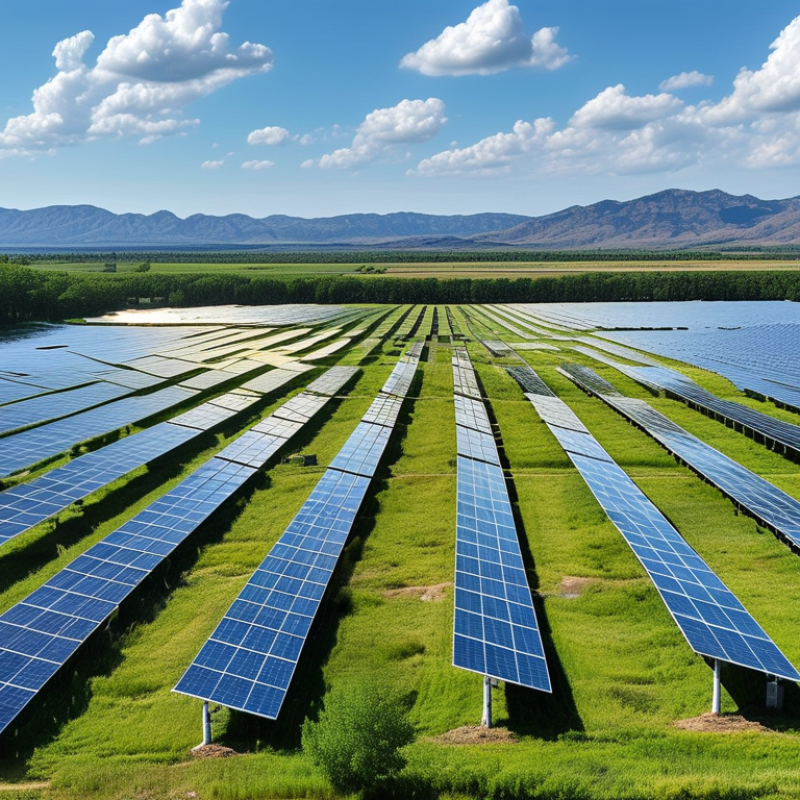
Understanding the Factors Influencing Solar Installation Costs in 2026
The cost of going solar in 2026 will depend on several key factors. One major influence is the ongoing advancements in solar technology. According to the International Energy Agency (IEA), solar panel efficiency is expected to increase by 10% over the next few years. This efficiency gain could reduce the overall system size needed, thus lowering installation costs.
Moreover, local labor costs play a significant role. Regions with a skilled workforce in solar installation may experience higher costs due to wage demands. Research from the Solar Energy Industries Association highlights that labor can account for up to 20% of total solar installation expenses. Therefore, the geographic location of the installation will directly affect the final price.
Another element to consider is government incentives. Policies can vary greatly by state. Some areas may offer rebates or tax credits, which can significantly offset costs. However, these incentives can change. As reported by the National Renewable Energy Laboratory, fluctuations in policy could impact demand and pricing for solar installations. Evaluating these external factors is essential for potential solar buyers in 2026.
Estimating the Average Cost of Solar Panels and Inverters in 2026
Estimating the average cost of solar panels and inverters in 2026 involves several key factors. The initial price of solar panels is influenced by market demand, technological advancements, and manufacturing practices. In recent years, solar technology has become more efficient, leading to better performance at a lower cost. This trend is likely to continue, but it’s difficult to predict exact prices.
Inverters are another critical component of solar systems. They convert the direct current produced by panels into alternating current used in homes. The cost of inverters can vary significantly, depending on type and efficiency. As technology improves, new models may emerge. Understanding these changes helps consumers navigate future costs.
It's important to acknowledge uncertainties in the solar market. Although many forecast a decline in costs, unexpected supply chain issues or policy changes can arise. This unpredictability means careful research is essential when planning a solar investment. Staying informed about market trends and technological developments will aid in making the best choices in 2026.
Calculating Installation Labor and Additional Costs for Solar Systems
When calculating the average cost of going solar in 2026, it’s essential to account for installation labor and additional costs. Labor costs can vary significantly based on location and the complexity of the job. Typically, skilled workers may charge between $20 to $50 per hour. This means a typical installation can easily add thousands to your overall expense. While it’s tempting to choose the cheapest labor options, ensure to look for quality installation to maximize your solar system's efficiency.
Beyond installation labor, additional costs can sneak up on you. Permits, inspections, and utility connection fees can quickly add 10% to 20% to your total. Even unexpected expenses may arise, such as roof repairs. If your roof is old or damaged, it may need attention before solar panel installation. This could lead to unanticipated costs that should not be overlooked. Researching and obtaining multiple quotes from contractors can help manage these extra expenses. However, it also adds time and complexity to the process, which may lead some to rush decisions.
As you navigate these choices, understanding the total cost is crucial. The initial price tag can be daunting, but remember the long-term savings and environmental benefits. Each situation is unique, and pinpointing exact costs requires careful consideration. Finding the right balance between quality and cost will ultimately lead to better investment in a sustainable future.
Analyzing Government Incentives and Tax Credits Impacting Solar Costs
Government incentives and tax credits play a significant role in determining the average cost of going solar in 2026. Various state and federal programs can make solar installations more affordable. For instance, the federal investment tax credit allows homeowners to deduct a percentage of their solar system costs from their federal taxes. This incentive can substantially reduce upfront expenses. However, not all states offer the same level of support, creating disparities in overall costs.
Understanding the eligibility criteria for these incentives is crucial. Homeowners must navigate often complex requirements. Additional local rebates and incentives can also be available. These vary by location and may change. Solar energy tax credits are designed to promote renewable energy and help reduce carbon footprints. While these credits offer benefits, they require careful timing and planning to maximize financial gains.
Analyzing the long-term implications of these incentives is essential. Some homeowners may overlook hidden costs associated with solar panels. Maintenance, system upgrades, and energy storage solutions can add to expenses over time. This means financial calculations should account for total lifetime costs, rather than just initial savings. As solar technology evolves, staying informed about changes in incentives and policies will be necessary for effective decision-making.
How to Determine the Average Cost of Going Solar in 2026? - Analyzing Government Incentives and Tax Credits Impacting Solar Costs
| State |
Average Installation Cost ($/W) |
Federal Tax Credit (%) |
State Incentives ($) |
Total Average Cost After Incentives ($/W) |
| California |
3.00 |
26 |
1,000 |
2.22 |
| Texas |
2.80 |
26 |
500 |
2.08 |
| Florida |
2.90 |
26 |
750 |
2.12 |
| New York |
3.20 |
26 |
1,200 |
2.41 |
| Illinois |
3.10 |
26 |
900 |
2.28 |
Comparing Long-term Savings and Benefits of Solar Energy Investments
Investing in solar energy can lead to significant long-term savings. According to a 2021 study by the Solar Energy Industries Association, homeowners can save over $20,000 on energy bills throughout the lifespan of a solar system. These savings arise from reducing reliance on traditional energy sources and leveraging abundant solar power. In 2026, with technology advancements, solar panels may become even more efficient, enhancing these savings.
Beyond cost savings, solar energy offers non-monetary benefits. It contributes to environmental sustainability by reducing carbon emissions. The U.S. Department of Energy reports that solar energy can reduce water usage compared to fossil fuels, conserving vital resources. Yet, challenges exist. Initial installation costs can be high. Homeowners must weigh these upfront expenses against potential savings. Understanding local incentives and rebates can help reduce financial barriers.
It's essential to consider that solar investments may not yield immediate results. While many will benefit, home location and sunlight exposure vary. Some may find their savings less than anticipated, depending on these factors. A thorough assessment helps create a tailored approach, balancing short-term costs and long-term benefits.
FAQS
: Consider labor costs, which can range from $20 to $50 per hour, affecting total expenses significantly.
Yes, permits and inspections can add 10% to 20% to your total costs. Unexpected expenses like roof repairs may also occur.
Obtain multiple quotes from contractors. This helps prepare for additional expenses while ensuring quality.
Homeowners may save over $20,000 on energy bills over the lifespan of a solar system, based on past studies.
Yes, solar energy reduces carbon emissions and conserves water, promoting sustainability and resource conservation.
High initial costs can be daunting, and savings may vary based on location and sunlight exposure.
Yes, advancements in technology could lead to more efficient solar panels, increasing potential long-term savings.
No, cheaper labor may compromise quality. Prioritize skilled labor to ensure the efficiency of your solar system.
Very important. Incentives and rebates can reduce financial barriers, making solar more affordable.
Yes, variations in location and sunlight exposure can result in savings that are less than expected.
Conclusion
In the quest to determine what is the average cost of going solar in 2026, several critical factors must be considered. Understanding the variables that influence solar installation costs, such as the price of solar panels and inverters, is essential. These components are pivotal in calculating the average cost of a solar system. Additionally, installation labor and other associated costs can significantly affect the overall investment.
Furthermore, analyzing government incentives and tax credits can provide substantial savings, impacting the net cost of installation. Exploring the long-term savings and benefits of solar energy investments reveals not only economic advantages but also environmental benefits. By carefully evaluating these aspects, potential solar adopters can make informed decisions about their investments in renewable energy.
 Wing Solar
